Can Quaking Aspens Survive in Really Cold Weather? Essential Facts
Have you ever wondered how quaking aspens manage to thrive in freezing temperatures? These remarkable trees are not just survivors, they’re nature’s cold-weather champions.
If you’re curious about whether quaking aspens can withstand the harshest winter chills, you’re in the right place. Understanding how these trees adapt could unlock secrets to thriving in extreme conditions, whether you’re a nature enthusiast, a gardener, or just someone fascinated by the resilience of the natural world.
Stick around to discover the fascinating ways quaking aspens defy the cold and what it could mean for your own backyard.

Credit: www.bendsource.com
Quaking Aspen Basics
Quaking aspens are trees known for their trembling leaves. They are common in cold places.
People often ask if quaking aspens can live in very cold weather. This guide explains their traits.
Physical Characteristics
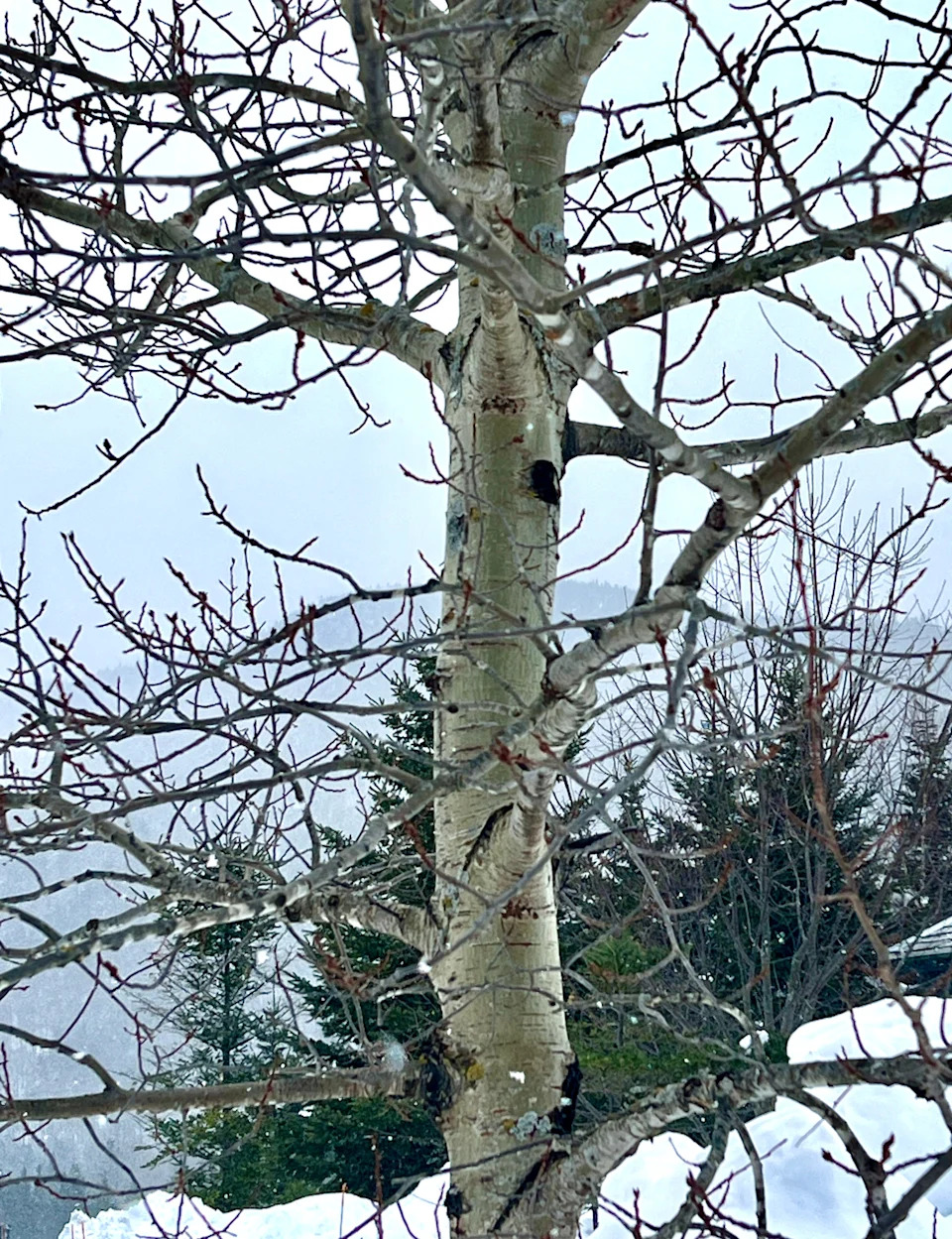
Quaking aspens have smooth, white bark with black scars. Their leaves are small and round.
The leaves shake even with a small breeze. This happens because of their flat leaf stems.
- Height: 20 to 50 feet tall
- Bark: White with black marks
- Leaves: Round and flat stems
- Leaves move easily in wind
Native Habitats
Quaking aspens grow in cold regions of North America. They thrive in places with snowy winters.
They prefer moist soil and often grow near mountains and lakes. They can survive very low temperatures.
- Found in Canada and northern US
- Live in mountain forests
- Grow near water sources
- Can survive very cold winters

Credit: www.bendsource.com
Cold Weather Tolerance
Quaking aspens are known for their bright leaves and smooth bark. They grow in many cold places. But can they survive very cold weather? Understanding their cold weather tolerance helps us know where they can live.
This article looks at how low temperatures affect quaking aspens. It also explains their special ways to handle the cold. These facts help gardeners and nature lovers care for aspens in chilly climates.
Temperature Limits
Quaking aspens can survive very low temperatures. They often grow in places where winter temperatures fall below -40°F (-40°C). Their wood and buds are hardy enough to avoid freezing damage in these cold times.
| Temperature (°F) | Effect on Quaking Aspens |
| Above 32°F | Normal growth and activity |
| 0 to 32°F | Leaf dormancy and slowed growth |
| -20 to 0°F | Bud dormancy and frost hardening |
| Below -40°F | Possible frost damage if exposure is long |
Adaptations To Cold
Quaking aspens have many ways to survive cold weather. These adaptations help protect their cells and keep them healthy during winter.
- Leaves drop early to reduce water loss in winter.
- Buds form a protective coating to prevent frost damage.
- The tree produces chemicals that act like antifreeze in cells.
- Roots grow deep to access warmer soil layers.
- The bark reflects some sunlight to avoid freezing stress.
Seasonal Changes And Survival
Quaking aspens face many challenges during cold weather. Their survival depends on how well they adapt to seasonal changes. This article explores how they manage to live through harsh winters.
Understanding their survival strategies helps gardeners and nature lovers care for these trees better. Let’s look at how dormancy and weather conditions affect quaking aspens.
Dormancy In Winter
During winter, quaking aspens enter a state called dormancy. This means they slow down their growth to save energy. Dormancy helps them survive freezing temperatures and lack of sunlight.
- The tree stops producing new leaves and branches.
- Water flow inside the tree slows down.
- The tree stores nutrients for spring growth.
- Buds remain closed until warmer weather arrives.
Impact Of Frost And Snow
Frost and snow can damage quaking aspens if conditions are severe. The tree has some natural protection but extreme cold may cause bark cracks or branch breakage.
| Type of Impact | Effect on Aspen | Survival Response |
| Light Frost | Minor leaf damage | Leaves drop early |
| Heavy Frost | Bark cracking | Thick bark protects inner layers |
| Snow Load | Broken branches | Flexible branches bend to reduce breakage |
| Prolonged Cold | Reduced growth | Extended dormancy until warmth returns |
Growth Challenges In Harsh Climates
Quaking aspens are known for their beauty and resilience. They grow in many cold regions. Still, very cold weather brings growth challenges.
These trees must adapt to survive freezing temperatures and harsh conditions. Understanding their needs helps us protect them.
Soil And Moisture Needs
Quaking aspens prefer moist, well-drained soils. Cold weather can freeze the soil, making water hard to reach.
Too little moisture slows growth. Too much water can cause root problems in freezing conditions.
- Soil must drain well to avoid waterlogging
- Consistent moisture is important during growing seasons
- Frozen soil limits water uptake in winter
Wind And Ice Damage
Cold winds can dry out leaves and bark. Ice buildup adds weight and can break branches.
Strong winter storms cause physical damage. Trees may lose limbs or suffer wounds that invite disease.
- Wind causes leaf and branch stress
- Ice adds extra weight on branches
- Broken limbs create entry points for pests
Tips For Growing Aspens In Cold Regions
Quaking aspens are beautiful trees that can survive cold climates. They need special care to grow well in cold regions. Understanding the right site and winter care helps them thrive.
This guide gives useful tips on site selection and winter care practices for growing aspens in really cold weather.
Site Selection
Choose a good place for planting aspens to protect them from harsh cold. They grow best in full sun and well-drained soil. Avoid low spots where cold air settles.
- Pick a sunny location with at least six hours of sunlight daily.
- Ensure the soil drains well to prevent root rot.
- Plant on slopes or higher ground to avoid frost pockets.
- Keep aspens away from strong winter winds by using windbreaks or natural barriers.
Winter Care Practices
Winter can be tough for aspens, so follow key care steps to help them survive cold months. Protect young trees and maintain soil health during winter.
| Practice | Purpose | How to Do It |
| Mulching | Protect roots from freezing | Apply 3-4 inches of mulch around base |
| Watering | Keep soil moist before freeze | Water deeply in fall before ground freezes |
| Wrapping | Prevent bark damage | Wrap trunks with tree guards or burlap |
| Snow Removal | Prevent branch breakage | Gently remove heavy snow from branches |

Credit: www.bvadventures.com
Signs Of Cold Stress
Quaking aspens face many challenges in very cold weather. Cold stress can harm their leaves and bark. It also affects the tree’s chance to recover after harsh winters.
Recognizing cold stress early helps in caring for these trees. Look for specific signs on leaves and bark to know if your aspen is struggling.
Leaf And Bark Damage
Cold weather can cause damage to aspen leaves and bark. Leaves may turn brown or curl up. Bark can crack or peel away. These signs show the tree is under stress from freezing temperatures.
- Leaves may have dark spots or edges
- Leaf tips can look dry and brittle
- Bark may develop cracks or splits
- Peeling bark exposes inner wood
- Branches might look wilted or dead
Recovery Chances
The chance for an aspen to recover depends on the damage extent. Some trees bounce back quickly while others may stay weak. Cold stress can cause long-term harm if not managed.
| Recovery Factor | Good Condition | Severe Damage |
| Leaf Damage | Minor browning, new growth in spring | Leaves mostly dead, slow new growth |
| Bark Damage | Small cracks, bark heals over time | Large splits, exposed wood rots |
| Overall Tree Health | Strong root system, regular watering | Weak roots, drought stress worsens |
Frequently Asked Questions
Can Quaking Aspens Tolerate Extreme Cold Temperatures?
Yes, quaking aspens are hardy and can survive very cold winters. They thrive in USDA zones 2 to 6, enduring temperatures as low as -40°F (-40°C). Their bark and root system protect them from freezing damage, ensuring survival in harsh climates.
How Do Quaking Aspens Adapt To Cold Weather?
Quaking aspens adapt by entering dormancy during cold months. Their leaves fall off to conserve energy. The bark has insulating properties that protect the tree from frost. Additionally, their roots remain alive underground, allowing them to regrow each spring after winter.
What Is The Impact Of Cold On Quaking Aspen Growth?
Cold weather slows quaking aspen growth significantly. During winter, growth ceases as the tree conserves resources. In spring, growth resumes rapidly once temperatures rise. Severe cold snaps can cause minor damage but generally do not kill healthy aspens.
Can Quaking Aspens Survive Sudden Frost Or Freeze?
Yes, quaking aspens can survive sudden frosts due to their cold-hardiness. Their cells contain antifreeze-like compounds that prevent ice formation inside tissues. However, prolonged freezing or extreme temperature fluctuations may stress the tree.
Conclusion
Quaking aspens handle cold weather better than many trees. Their bark and roots protect them from freezing temperatures. These trees can survive harsh winters with proper care. Cold does not stop their growth or life cycle. Planting aspens in cold areas is possible and often successful.
They bring beauty and strength to chilly landscapes. Keep soil moist and avoid damage during winter. Quaking aspens show nature’s resilience in cold climates. A great choice for cold-weather gardeners.