How Do Chickens Survive in Cold Weather: Essential Survival Tips
Winter is coming, and as temperatures drop, you might be wondering how your feathery friends manage to stay warm during those chilly months. Chickens, like little bundles of resilience, have their own unique ways to brave the cold.
But how exactly do they do it? Understanding this can be crucial for you, especially if you want to ensure your flock stays healthy and happy all winter long. You’ll uncover the secrets of how chickens survive in cold weather, and learn some valuable tips to help them thrive.
Curious to find out more? Let’s dive into the fascinating world of chickens and their winter survival strategies!
Credit: www.chickencoopcompany.com
Cold Weather Challenges
Chickens face many challenges during cold weather. Low temperatures and harsh conditions can harm their health.
Farmers must understand these challenges to keep chickens safe and healthy in winter.
Temperature Effects On Chickens
Chickens feel cold when temperatures drop below 45°F. Their bodies work harder to stay warm.
Cold can slow their metabolism and reduce egg production. Frostbite can also happen on combs and feet.
- Shivering helps chickens keep warm
- Fluffing feathers traps heat
- Cold slows digestion and growth
- Frostbite affects exposed skin
Common Cold Weather Risks
Cold weather brings risks like frostbite, respiratory problems, and poor feed conversion. Wet conditions worsen these risks.
Chickens also face stress from limited movement and less sunlight in winter.
- Frostbite damages combs, wattles, and feet
- Respiratory infections increase in damp cold
- Wet feathers lower body temperature
- Less sunlight reduces vitamin D production
- Stress weakens immune response
Credit: chickenwhisperermagazine.com
Natural Adaptations
Chickens have natural ways to stay warm in cold weather. These adaptations help them survive low temperatures.
They use their feathers and change their behavior to keep their body heat safe. These methods work well without extra help.
Feather Insulation
Chickens have many layers of feathers that trap air. This trapped air acts like a blanket to keep their body heat in.
- Soft down feathers close to the skin provide warmth.
- Outer feathers block cold wind and rain.
- Feathers can fluff up to add more air pockets for insulation.
- Oil from a gland near the tail keeps feathers waterproof.
Behavioral Changes
Chickens also change their actions to fight cold. These changes help them save energy and stay warm.
| Behavior | Purpose |
|---|---|
| Huddling together | Share body heat and reduce wind exposure |
| Seeking shelter | Stay protected from wind and rain |
| Reducing movement | Save energy and keep warm |
| Tucking head under wing | Protect face and conserve heat |
Coop Preparation
Chickens need a safe and warm place to stay during cold weather. Preparing the coop well helps keep them healthy and comfortable. It is important to focus on insulation, ventilation, and preventing drafts.
A well-prepared coop protects chickens from harsh winds and low temperatures. Good coop care helps chickens survive and stay active in winter.
Insulating The Coop
Insulation keeps the coop warm by trapping heat inside. Use materials like straw, hay, or foam boards to add extra layers to walls and ceilings. Avoid sealing the coop too tightly because chickens also need fresh air.
- Line the walls with straw or hay bales
- Use foam board insulation on outer walls
- Add thick bedding on the floor
- Cover windows with clear plastic to keep cold air out
Ventilation Balance
Good ventilation removes moisture and ammonia from the coop. It stops damp air from making the chickens sick. Keep vents open but small enough to block cold drafts.
| Ventilation Tip | Reason |
| Place vents near the roof | Allows warm air to escape |
| Use adjustable vents | Control airflow as weather changes |
| Keep vents clear of snow | Prevents blocked airflow |
| Do not block vents completely | Prevents moisture buildup |
Draft Prevention
Drafts cause cold spots that can harm chickens. Block gaps and holes around doors, windows, and walls. Use weather stripping or foam tape to seal openings.
Here are common areas to check for drafts:
- Door edges
- Window frames
- Wall cracks
- Roof joints
Cover these areas with plastic sheets or cloth barriers to keep cold wind out.
Feeding Strategies
Chickens need special care in cold weather. Their feeding changes to help them stay warm and healthy.
Good feeding helps chickens keep their energy and body heat during winter days and nights.
High-energy Diets
Chickens burn more calories to stay warm in cold weather. High-energy foods give them extra fuel.
Adding grains like corn or oats helps. These grains have more calories than regular feed.
- Feed more grains for extra energy
- Use cracked corn or whole oats for variety
- Include some protein from mealworms or cooked eggs
- Avoid feeding too much sugar or fat
Water Management In Winter
Chickens need fresh water even in cold weather. Water helps digestion and keeps them healthy.
Water can freeze fast outside. Use heated waterers or change water often to keep it liquid.
- Check water twice a day to prevent freezing
- Use warm water in the morning and evening
- Keep water containers clean to avoid bacteria
- Place waterers in sheltered spots to stay warmer
Health Maintenance
Chickens need extra care to stay healthy in cold weather. Cold can cause health problems if not managed well.
Proper health maintenance helps chickens survive harsh winter conditions. Watch for signs of illness and keep them warm.
Monitoring For Frostbite
Frostbite happens when chicken skin freezes. It often affects combs, wattles, and feet. Early detection prevents serious damage.
- Check combs and wattles daily for discoloration.
- Look for swelling or blackened skin on feet and toes.
- Notice if chickens limp or avoid standing on cold ground.
- Keep coop dry to reduce frostbite risk.
- Provide extra bedding for warmth.
Preventing Respiratory Issues
Cold air and dampness can cause respiratory problems. Good ventilation without drafts is important. Keep the coop clean and dry.
| Prevention Method | Details |
| Ventilation | Allow fresh air but avoid cold drafts |
| Cleanliness | Remove wet bedding often to stop mold growth |
| Humidity Control | Keep humidity low to prevent moisture buildup |
| Health Checks | Watch for coughing, sneezing, or nasal discharge |
Additional Warmth Tips
Chickens need extra help to stay warm in cold weather. Providing warmth keeps them healthy and active.
There are easy ways to add warmth inside the coop. These tips help chickens survive chilly days and nights.
Use Of Heat Lamps
Heat lamps give chickens extra warmth during cold nights. They create a cozy area inside the coop.
Place the lamp safely to avoid fires and burns. Use a clip or hook to hold it above chickens.
- Choose a lamp with enough wattage for your coop size
- Keep the lamp away from bedding and wood
- Check the lamp daily to make sure it works well
- Use a protective cover to stop direct contact with chickens
Providing Extra Bedding
Extra bedding helps trap heat and keeps the floor warm. It also gives chickens a soft place to rest.
Use dry materials like straw or wood shavings. Add more bedding as it gets compressed or dirty.
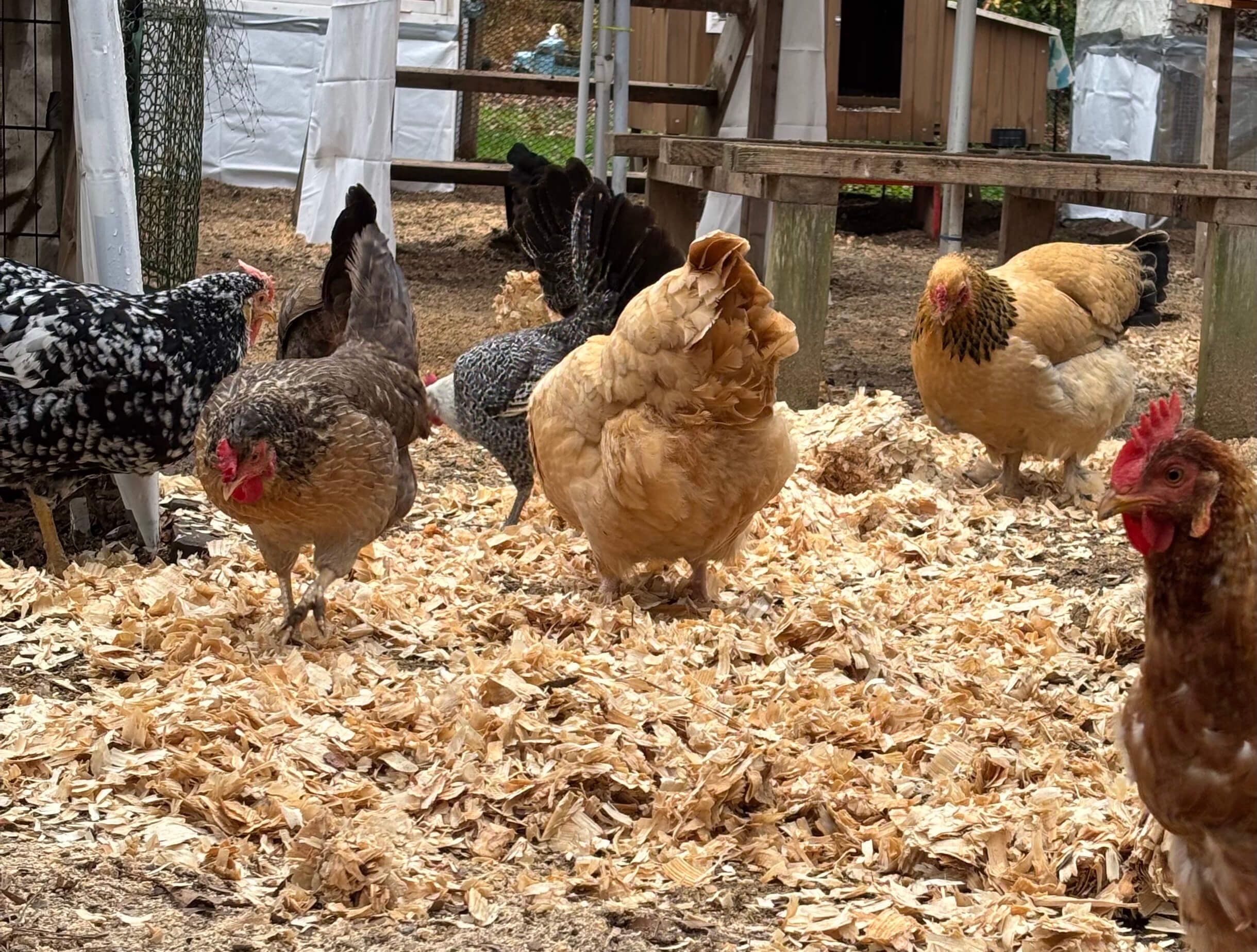
- Place thick layers of straw or pine shavings on the coop floor
- Replace bedding regularly to keep it dry and clean
- Check for dampness and remove wet spots quickly
- Provide nesting boxes with extra bedding for warmth

Credit: www.reddit.com
Frequently Asked Questions
How Do Chickens Keep Warm In Freezing Temperatures?
Chickens fluff their feathers to trap warm air close to their bodies. They also huddle together to share body heat and reduce exposure to cold winds.
What Shelter Helps Chickens Survive Cold Weather?
A well-insulated, draft-free coop protects chickens from harsh winds and moisture. Proper ventilation prevents moisture buildup, reducing the risk of frostbite.
Do Chickens Eat Differently In Cold Weather?
Yes, chickens eat more during cold months to generate extra body heat. Providing high-energy feed helps them maintain warmth and stay healthy.
Can Chickens Suffer From Frostbite In Winter?
Yes, frostbite commonly affects combs and feet. Proper coop care and applying petroleum jelly can help prevent frostbite damage.
Conclusion
Chickens stay warm by fluffing their feathers and huddling together. Their bodies create heat, helping them survive cold days. Good shelter keeps wind and rain away. Providing dry bedding makes a cozy place to rest. Feeding extra food gives them energy to stay warm.
Watching your chickens closely helps spot any problems early. Cold weather is tough, but chickens adapt well. With simple care, they stay healthy all winter long.