Can a Wood Frame House Survive a Hurricane: Expert Insights Revealed
When hurricane season looms, one question often comes to mind: Can a wood frame house survive a hurricane? If you live in a hurricane-prone area, this concern is not just theoretical—it’s personal.
You might be wondering if your cherished home, built with love and wood, can withstand the fury of Mother Nature. The answer isn’t as straightforward as you might think, and understanding it could make all the difference in protecting what matters most.
You’ll discover the surprising resilience of wood frame houses, along with essential tips to fortify your home against the storm. Stay with us, as we unravel facts that could potentially save your home—and your peace of mind.

Credit: clips.usframefactory.com
Hurricane Forces On Wood Frames
Wood frame houses face many challenges during hurricanes. Strong winds, flying debris, and water can damage the structure.
Understanding these forces helps builders and homeowners protect wood frame homes better.
Wind Pressure Effects
High wind speeds create strong pressure on wood walls and roofs. This pressure can push or pull parts of the house.
- Wind pushes against the outside walls.
- Suction pulls up on the roof, risking uplift.
- Pressure differences can cause cracks or breaks.
- Openings like windows and doors are weak points.
Impact Of Flying Debris
Debris like tree branches and loose objects fly at high speeds. They can hit wood frames and cause holes or breaks.
| Type of Debris | Possible Damage |
| Tree branches | Piercing walls, breaking windows |
| Loose roof tiles | Cracking roof sheathing |
| Metal signs | Penetrating siding |
| Glass shards | Shattering windows |
Water Intrusion Risks
Hurricanes bring heavy rain and storm surge. Water can enter through damaged roofs and walls.
Water intrusion causes these problems:
- Wood rot and mold growth
- Weakening of structural supports
- Damage to insulation and drywall
- Electrical hazards from wet wiring
Wood Frame Strength Factors
Wood frame houses can survive hurricanes if built strong. Their strength depends on several key factors.
Understanding these factors helps builders make safer homes. It also helps homeowners know what to expect.
Quality Of Materials
Strong wood is important for hurricane resistance. Builders should use high-grade lumber that is free of defects.
Treated wood can resist moisture and pests. This keeps the frame strong during storms.
- Use kiln-dried lumber to avoid warping
- Choose wood with proper strength ratings
- Use pressure-treated wood for durability
Construction Techniques
Careful construction improves a wood frame’s hurricane survival. Builders must follow strict building codes.
Techniques like proper bracing and framing add strength. These methods help the house resist strong winds.
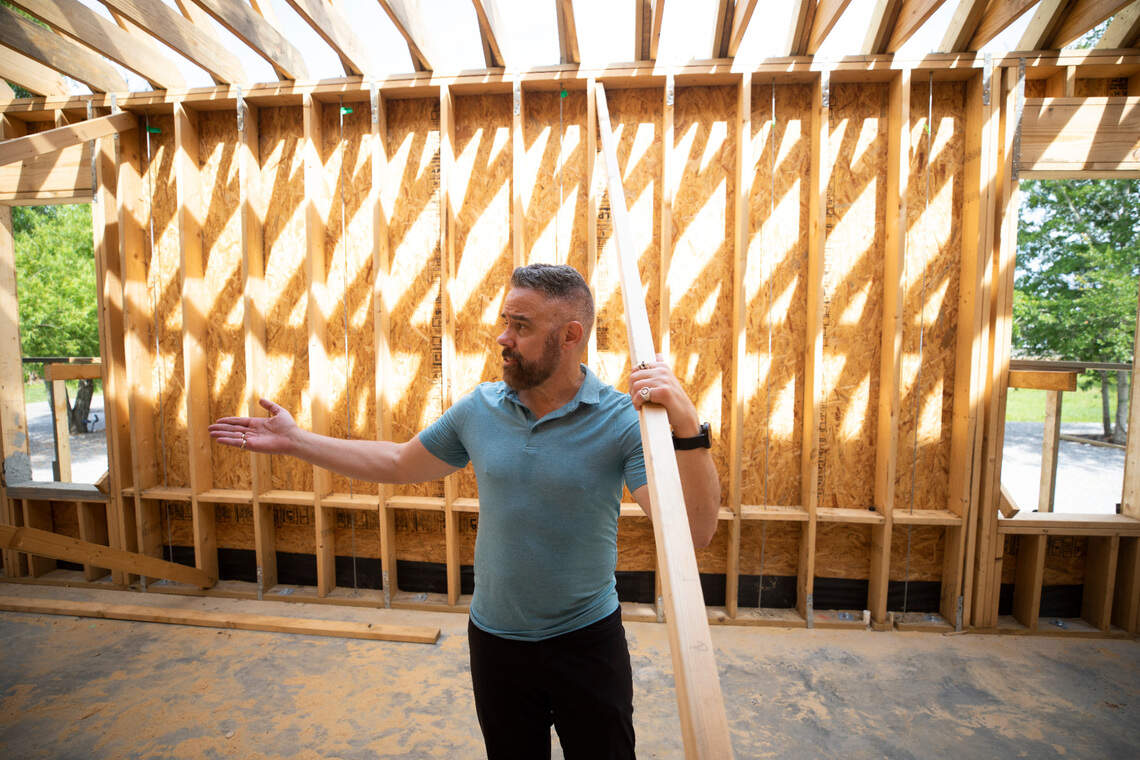
- Install diagonal bracing for extra support
- Use continuous load paths from roof to foundation
- Ensure walls are properly aligned and plumb
Fastening And Connections
Strong fasteners keep the wood frame together during a hurricane. Nails, screws, and bolts must be used correctly.
Connections between parts of the house must resist uplift and shear forces. This prevents the frame from coming apart.
- Use hurricane straps to secure roof to walls
- Install anchor bolts to fix walls to foundation
- Use screws instead of nails for stronger hold
Design Strategies For Durability
Wood frame houses can survive hurricanes with proper design. Builders use special strategies to make homes strong.
These design strategies focus on making walls, roofs, and foundations durable. Each part helps the house resist strong winds and rain.
Reinforced Wall Systems
Strong walls protect the house from wind pressure and flying debris. Builders add extra support inside the walls to keep them stable.
Reinforcement includes using heavier wood or metal straps to tie wall parts together. This stops walls from breaking or falling.
- Use plywood or OSB sheathing for wall strength
- Add metal straps to connect studs and plates
- Install hurricane clips to secure framing
- Use impact-resistant windows to protect openings
Roof Anchorage Methods
Roofs must stay attached to the house during strong winds. Builders use anchoring methods to hold the roof in place.
Anchors connect the roof frame to the walls and foundation. This reduces the chance of the roof lifting off in a hurricane.
- Use hurricane straps to tie roof trusses to walls
- Install metal clips at roof-to-wall joints
- Secure roof sheathing with nails or screws
- Choose wind-resistant roofing materials
Foundation Stability
A strong foundation keeps the house grounded during floods and winds. Builders design foundations to resist shifting or cracking.
Deep footings and proper anchoring help the foundation hold the house firmly. This prevents damage from soil movement or water.
- Use concrete footings below frost line
- Anchor wood frames to foundation with bolts
- Build raised foundations in flood zones
- Ensure good drainage around the house

Credit: www.aol.com
Building Codes And Standards
Wood frame houses can survive hurricanes if they follow strict building codes. These rules help make homes stronger against strong winds and heavy rain. Building codes set the minimum safety levels for construction.
Local governments update these codes after studying past storms. Builders and inspectors must understand these standards to protect homes and families.
Hurricane-resistant Regulations
Hurricane-resistant regulations require wood frame houses to have strong connections. These include special nails, bolts, and straps to hold the roof, walls, and foundation together. The goal is to stop the house from flying apart.
Windows and doors also need protection. Builders use impact-resistant glass or storm shutters. Roofs must have materials that resist wind uplift and water damage.
- Use hurricane straps to secure the roof
- Install impact-resistant windows and doors
- Build strong roof-to-wall connections
- Seal all openings to prevent water entry
Inspection And Compliance
Inspectors check if builders follow the codes. They look at the framing, connections, and materials. Inspections happen during and after construction. This ensures the house can resist hurricane forces.
Builders must fix any mistakes found in inspections. Compliance helps reduce damage and keeps families safe. Homeowners should keep records of inspections and approvals.
Upgrading Existing Structures
Older wood frame houses may not meet current codes. Homeowners can upgrade these homes to resist hurricanes better. Adding hurricane straps and reinforcing walls are common upgrades.
Replacing old windows with impact-resistant glass also helps. Strengthening the roof and securing doors improve safety. These upgrades lower the risk of severe damage during storms.
- Install hurricane straps on roof and walls
- Replace windows with storm-resistant glass
- Reinforce garage and entry doors
- Seal gaps to prevent water leaks
Case Studies Of Surviving Homes
Wood frame houses face many challenges during hurricanes. Some homes survive strong winds and flooding. Studying these homes helps us learn how to build safer houses.
This article looks at examples of wood frame houses that survived hurricanes. It also covers common failure points and lessons from past storms.
Successful Wood Frame Houses
Some wood frame houses stand strong in hurricanes because of good design and materials. They use strong fasteners and anchors to hold the structure together. Roofs are built to resist uplift forces from wind.
One case study from Hurricane Michael in 2018 shows a wood frame house that survived with minimal damage. Builders used hurricane straps and reinforced connections. The home also had impact-resistant windows.
- Strong anchors and straps hold the house to its foundation
- Roof trusses are reinforced to resist wind uplift
- Windows and doors are impact-resistant
- Elevated foundations reduce flood damage
Common Failure Points
Wood frame houses often fail at weak points during hurricanes. Roofs can lift off if not fastened well. Walls may collapse if the framing lacks proper bracing. Windows and doors can break and let wind inside.
Flooding also causes damage when water enters through the foundation or low walls. Poor drainage around the home makes this worse. These weak points often lead to large repair costs.
- Roof connections fail under strong winds
- Wall bracing is insufficient to resist lateral forces
- Windows and doors break or blow out
- Floodwater enters through the foundation
- Inadequate drainage increases flood risk
Lessons From Past Hurricanes
Past hurricanes teach builders how to improve wood frame homes. Using metal connectors and hurricane straps makes structures stronger. Adding braces to walls helps resist wind pressure. Impact-resistant windows protect the inside.
Raising homes on stilts or piers reduces flood damage. Proper site drainage keeps water away from foundations. These lessons help builders design houses that survive future storms better.
- Use metal connectors and hurricane straps
- Install strong wall bracing
- Choose impact-resistant windows and doors
- Elevate homes to avoid flooding
- Improve drainage around the property
Preparation And Maintenance Tips
Wood frame houses can face strong winds and heavy rain during hurricanes. Proper care helps protect your home from damage. Preparing early and keeping up with maintenance improves its chances of survival.
This guide covers key steps to reinforce your house, check its structure regularly, and plan your actions during a storm.
Pre-storm Reinforcements
Strengthen your wood frame house before a hurricane arrives. Secure windows and doors to block strong winds. Check your roof for loose shingles or panels.
Use storm shutters or plywood to cover glass surfaces. Clear debris from gutters and downspouts to avoid water damage. Reinforce garage doors with braces or replace them with stronger models.
- Install storm shutters on all windows
- Secure doors with deadbolt locks
- Fix or replace damaged roof shingles
- Clear gutters and drains
- Brace or upgrade garage doors
Routine Structural Checks
Check your home’s structure regularly to spot weaknesses. Look at the foundation for cracks or water damage. Inspect wooden beams and supports for rot or insect damage.
Make sure walls and ceilings are solid with no signs of warping. Keep trees trimmed away from the house to prevent branches from hitting it during strong winds.
- Inspect foundation for cracks or leaks
- Check wooden beams for rot or pests
- Examine walls and ceilings for damage
- Trim trees and remove weak branches
Emergency Response Planning
Plan what to do when a hurricane hits your area. Know your evacuation routes and have a safe place to go. Prepare an emergency kit with food, water, and important documents.
Keep a list of emergency contacts and stay updated with weather alerts. Make sure your family knows the plan and practices it before the storm season.
- Identify evacuation routes and shelters
- Prepare an emergency supply kit
- Keep important documents in a safe place
- Stay informed with weather updates
- Practice the emergency plan with family
Credit: www.sunherald.com
Frequently Asked Questions
Can Wood Frame Houses Withstand Hurricane Winds?
Wood frame houses can withstand hurricane winds if built with strong materials. Proper framing, hurricane straps, and reinforced connections improve resistance. Regular maintenance also helps protect against wind damage during storms.
How To Reinforce A Wood Frame House For Hurricanes?
Reinforce wood frame houses using hurricane straps, impact-resistant windows, and reinforced doors. Secure roof connections and use plywood or metal sheathing. These upgrades increase the home’s ability to resist hurricane forces effectively.
Are Wood Frame Houses More Vulnerable To Hurricanes?
Wood frame houses are generally more vulnerable than concrete or steel structures. However, proper engineering and building codes can significantly enhance their hurricane resistance. Strengthening techniques reduce risks of damage and improve safety during storms.
What Building Codes Improve Wood Frame House Hurricane Safety?
Building codes like the International Residential Code (IRC) require wind-resistant construction. They mandate stronger framing, roof-to-wall connections, and impact-resistant materials. Following these codes ensures wood frame houses meet hurricane safety standards.
Conclusion
Wood frame houses can survive hurricanes with proper design and care. Strong materials and good construction make a big difference. Adding reinforcements helps protect walls and roofs from strong winds. Regular maintenance keeps the structure safe over time. Knowing risks and preparing your home increases safety.
It’s smart to check your house before storm season. Every step you take can help your home stand firm. Safe homes mean peace of mind during hurricanes. Stay aware, stay prepared, and keep your home strong.