How to Survive Hurricane Harvey: Essential Life-Saving Tips
When Hurricane Harvey made landfall, it changed countless lives overnight. You might be wondering how you can best prepare and protect yourself if you ever find yourself in a similar situation.
Surviving a hurricane isn’t just about weathering the storm; it’s about understanding what steps to take before, during, and after. In this guide, you’ll discover practical tips and strategies that could make all the difference. Imagine feeling confident and ready, knowing you’ve done everything possible to safeguard your home and loved ones.
Read on to learn how you can be prepared, stay safe, and emerge resilient after the storm has passed.
Preparing Before The Storm
Hurricane Harvey is a serious storm that can cause damage and danger. Preparing before the storm helps keep you safe.
Take time to get ready. This includes making kits, securing your home, and planning your moves.
Creating An Emergency Kit
An emergency kit has items you need if you must leave or stay inside for a long time. It helps you stay safe and healthy.
Gather food, water, and supplies that last for at least three days.
- Non-perishable food like canned goods
- One gallon of water per person per day
- Flashlights with extra batteries
- First aid kit with medicines
- Battery-powered radio to get news
- Personal hygiene items
- Important phone numbers written down
- Cash in small bills
Securing Your Home
Protect your house from wind and water damage. This lowers risks during the hurricane.
Check doors and windows to make sure they close tightly. Remove loose items outside.
- Install storm shutters or board up windows
- Clear gutters and drains to avoid flooding
- Secure outdoor furniture and tools
- Trim trees and remove dead branches
- Turn off utilities if told to do so
Planning Evacuation Routes
Know where to go if you must leave your home. Plan several routes in case roads are blocked.
Share your plan with family or friends so they know where you are going.
- Find nearby shelters and safe places
- Check traffic and road conditions
- Plan how to take pets with you
- Keep your car’s gas tank full
- Have a phone charger ready
Storing Important Documents
Keep your important papers safe and easy to find. This helps you recover after the storm.
Use waterproof containers or digital copies stored online.
- Identification cards and passports
- Insurance policies and medical records
- Bank statements and credit card info
- Home ownership or rental papers
- Emergency contact information

Credit: www.youtube.com
During The Hurricane
Hurricane Harvey can bring strong winds and heavy rain. Staying safe during the storm is very important.
Knowing what to do while the hurricane is happening helps protect you and your family.
Staying Informed
Keep listening to weather updates on a battery-powered radio or phone. Stay alert for emergency alerts.
Follow instructions from local officials. They tell you when to stay inside or evacuate.
- Use a weather app with alerts turned on
- Have a portable radio ready
- Check updates every 30 minutes
Safe Shelter Options
Find a safe room or space inside your home away from windows and doors. Basements are best if you have one.
If your home is not safe, go to a public shelter set up by authorities. Bring your emergency supplies.
- Stay in an interior room on the lowest floor
- Avoid windows and glass doors
- Use a mattress or heavy blankets for extra protection
- Bring water, food, and medicine
Managing Power Outages
Power may go out during the storm. Use flashlights instead of candles to avoid fire risks.
Turn off electrical appliances to prevent damage when power returns. Keep your phone charged beforehand.
- Have extra batteries for flashlights
- Keep refrigerator and freezer doors closed
- Use a generator only outside and away from windows
Communicating With Family
Keep your phone charged and save important contacts. Text messages may work better than calls during outages.
Agree on a meeting place and emergency plan before the storm. Check on each other as soon as it is safe.
- Share your location with family members
- Use social media or messaging apps if phone calls fail
- Have a list of emergency contacts written down
After The Hurricane
The hurricane has passed, but dangers remain. It is important to stay careful as you recover.
Follow safety steps to protect yourself and your family in the days after the storm.
Assessing Damage Safely
Before checking your home, wait for official permission to return. Watch for downed power lines.
Wear sturdy shoes and gloves. Avoid walking through debris or broken glass to prevent injuries.
- Check for gas leaks by smell or sound
- Turn off electricity if you see water inside
- Use a flashlight, not candles, for light
- Document damage with photos for insurance
Avoiding Floodwater Hazards
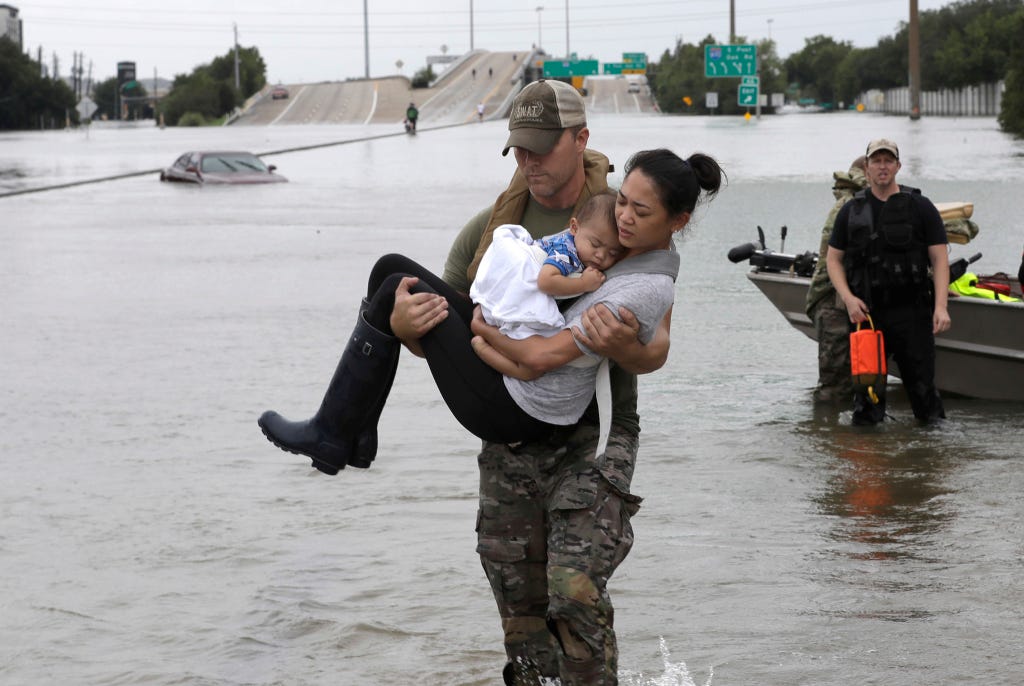
Do not walk or drive through floodwaters. They can hide sharp objects or strong currents.
Floodwater may contain sewage or chemicals. Avoid contact to prevent sickness.
- Stay away from standing water near power lines
- Keep children and pets away from floodwater
- Clean and disinfect anything touched by floodwater
Seeking Medical Help
Check yourself and family for injuries. Get help immediately for serious wounds or trouble breathing.
Keep first aid supplies handy. Clean minor cuts with soap and water to avoid infection.
- Call 911 if someone is unconscious or bleeding heavily
- Watch for signs of dehydration or heat exhaustion
- Seek help for symptoms like chest pain or severe headache
Accessing Emergency Services
Use a phone or radio to listen for updates from local officials. Follow their instructions carefully.
Emergency shelters may be open for those who cannot stay at home. Know where to go if needed.
- Keep emergency numbers saved and handy
- Report hazards like gas leaks or fires
- Stay calm and help neighbors if possible
Credit: medium.com
Long-term Recovery Tips
Surviving Hurricane Harvey takes more than just immediate action. Long-term recovery helps you rebuild safely and stay healthy.
These tips cover important steps for your home and mind after the storm passes.
Dealing With Mold And Mildew
Mold and mildew grow quickly in damp places. They can harm your health and damage your home.
- Wear gloves and masks when cleaning mold.
- Use a mixture of water and bleach to scrub affected areas.
- Dry wet areas completely to stop mold from returning.
- Throw away items that are soaked and moldy beyond repair.
- Keep your home ventilated to reduce moisture buildup.
Repairing And Rebuilding
Fixing your home can be hard. It is important to plan carefully and use safe materials.
| Task | Tip | Why It Matters |
| Check foundation | Look for cracks or shifts | Ensures home stability |
| Replace damaged wood | Use treated lumber | Prevents future rot and pests |
| Fix roof leaks | Seal or replace shingles | Keeps water out |
| Inspect electrical system | Hire a licensed electrician | Avoids fire hazards |
Mental Health Support
Storms like Hurricane Harvey can cause stress and sadness. Taking care of your mind is key to recovery.
- Talk about your feelings with family or friends.
- Seek help from counselors or support groups.
- Take time to rest and relax daily.
- Exercise to reduce anxiety and improve mood.
- Keep a regular sleep schedule.
Preparing For Future Storms
Preparing ahead can protect you and your home from future storms. Make plans and gather supplies now.
- Create an emergency kit with food, water, and medicine.
- Secure important documents in a waterproof container.
- Plan evacuation routes and safe places to go.
- Trim trees and clear gutters to prevent damage.
- Install storm shutters or board up windows.

Credit: catholicstories.com
Frequently Asked Questions
What Are The First Steps To Prepare For Hurricane Harvey?
Start by securing your home, stocking emergency supplies, and creating an evacuation plan. Stay updated with weather alerts to act quickly and safely.
How Can I Stay Safe During Hurricane Harvey Flooding?
Avoid floodwaters, move to higher ground, and do not drive through flooded roads. Follow local emergency instructions and keep communication devices charged.
What Essential Items Should I Include In An Emergency Kit?
Include water, non-perishable food, medications, flashlight, batteries, first aid supplies, important documents, and a portable phone charger for safety during the storm.
When Is It Necessary To Evacuate During Hurricane Harvey?
Evacuate immediately if authorities advise or if you live in flood-prone or low-lying areas. Early evacuation ensures your safety and reduces risk.
Conclusion
Surviving Hurricane Harvey takes careful planning and quick action. Stay calm and follow safety steps closely. Keep emergency supplies ready and listen to official updates. Protect your home as best you can before the storm hits. After the hurricane, check for damage and avoid dangerous areas.
Helping neighbors and staying informed keeps everyone safer. Being prepared saves lives and reduces stress during storms. Remember, your safety is the top priority at all times. Stay strong and take each step with care.