How Do Whitetail Deer Survive Cold Weather: Expert Survival Secrets
When the temperatures drop and the world turns into a winter wonderland, you might wonder how the whitetail deer manage to thrive in such cold conditions. These graceful creatures seem to glide effortlessly through the snow, a sight that leaves many of us in awe.
But what is their secret to surviving the harsh winter months? Imagine if you could unlock the mysteries behind their resilience, gaining insights into the incredible strategies they employ. Understanding these secrets might not only satisfy your curiosity but also offer new perspectives on nature’s adaptability.
As you delve deeper into their world, you’ll discover the fascinating ways whitetail deer endure the chill and emerge strong when spring returns. Curious to learn more? Keep reading to uncover the remarkable tactics these animals use to brave the cold.

Credit: www.youtube.com
Whitetail Deer Adaptations
Whitetail deer live in many places with cold winters. They need special ways to stay warm and safe. These adaptations help them survive snow and low temperatures.
Let’s look at how their thick winter coat, body fat, and activity changes help them through cold weather.
Thick Winter Coat
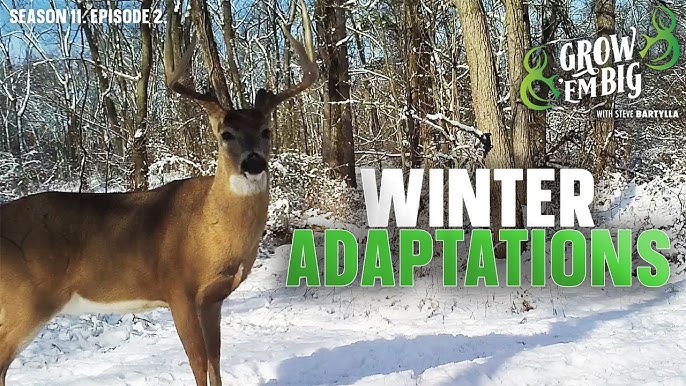
Whitetail deer grow a thick winter coat to keep warm. Their fur has two layers. The outer layer is long and coarse. It stops cold wind and wet snow. The inner layer is soft and dense. It traps warm air close to the skin.
This coat helps deer keep their body heat. It also changes color to blend into the winter landscape. This helps protect them from predators.
Body Fat Reserves
Before winter, deer eat more to build up fat. This fat acts like insulation. It keeps heat inside their bodies. It also provides energy when food is hard to find.
- Fat stores energy for cold months
- Insulates against the cold
- Helps them survive when food is scarce
Reduced Activity Levels
Whitetail deer move less in winter to save energy. They rest in sheltered spots to stay warm. By limiting movement, they use less fat and stay strong.
They also avoid deep snow. This helps them use less energy and stay safe from predators.
Behavioral Strategies
Whitetail deer use smart behaviors to survive cold weather. These actions help them stay warm and safe during winter.
Understanding these behaviors shows how deer adapt to harsh conditions. They change where they stay, how they eat, and how they stay warm.
Seeking Shelter
Deer look for places to protect themselves from wind and snow. They hide in thick forests or near hills that block the cold.
Shelter helps deer keep their body heat. It also shields them from storms and predators.
- Dense evergreen trees provide good windbreaks
- Brush piles and fallen logs offer cover
- Hollows or valleys reduce exposure to cold winds
Grouping For Warmth
Deer often gather in groups during cold weather. Staying close helps them share body heat and stay warmer.
This behavior also keeps them alert for danger. Groups can spot predators faster than a single deer.
- Huddling reduces heat loss
- Groups may sleep close together at night
- Many deer feeding together share warmth
Adjusting Feeding Patterns
Deer change when and what they eat in winter. They eat more during warmer parts of the day to save energy.
They also switch to tougher plants and bark that last through winter. This helps them get food when soft plants are gone.
- Feed during midday when it is warmer
- Eat woody plants and twigs
- Reduce movement to save energy
Diet Changes In Winter
Whitetail deer change their diet as the cold weather arrives. Food sources become limited in winter. They adjust to survive the harsh conditions.
These changes help deer find enough nutrients and energy. Their bodies need fuel to stay warm and active during freezing months.
Switch To Woody Plants
In winter, deer eat more woody plants like twigs and buds. Leaves and soft plants are scarce or covered by snow. Woody plants provide fiber and nutrients.
Branches from trees like oak, maple, and willow become important. Deer use their teeth to strip bark and chew on small branches.
Foraging Techniques
Deer change how they search for food in winter. They use their sense of smell and hearing more to find hidden plants. Snow makes foraging harder.
- Digging through snow to reach plants
- Browsing on lower branches of trees
- Eating fallen acorns and nuts
- Feeding at dawn and dusk to avoid cold
Water Sources In Freezing Conditions
Water is hard to find when lakes and ponds freeze. Deer find water in small streams that keep flowing. They also eat snow to stay hydrated.
| Water Source | Winter Availability |
| Frozen Ponds | Not available |
| Flowing Streams | Usually available |
| Snow | Common fallback |
| Melting Ice | Sometimes available |

Credit: anilogics.com
Physiological Responses
Whitetail deer survive cold weather through special body changes. Their bodies work hard to keep warm and save energy.
These changes help deer live in cold places without using too much energy. Let’s look at some ways their bodies respond.
Lowered Metabolic Rate
Deer lower their metabolic rate to save energy during winter. This means their bodies use less fuel to keep working.
By slowing down metabolism, deer can survive on less food. This helps them last through times when food is scarce.
Blood Flow Regulation
Deer control blood flow to keep their core warm. They send less blood to their legs and skin to reduce heat loss.
At the same time, deer keep blood flowing to vital organs. This balance helps them stay warm without losing too much heat.
Thermoregulation Mechanisms
Whitetail deer use special ways to keep body temperature steady. They fluff up their fur to trap warm air close to the skin.
Their thick winter coat acts like a warm blanket. Deer also reduce activity to lower heat loss during cold days.
Habitat Selection
Whitetail deer survive cold weather by choosing the best places to live. Their habitat helps protect them from harsh winter conditions.
Good habitat choice gives deer shelter and food during the cold months. They look for spots that reduce wind and keep them warm.
Choosing Windbreak Areas
Deer pick areas where trees or bushes block strong winds. These windbreaks help keep them warm by lowering wind chill.
Thick brush or dense shrubs create good windbreaks. Deer often rest near these areas to save energy in cold weather.
- Look for thick brush or dense shrubs
- Find spots behind hills or ridges
- Choose areas with natural barriers to wind
Using Coniferous Forests
Coniferous forests have evergreen trees that keep their needles in winter. These trees provide good cover and shelter for deer.
Evergreens block snow and cold winds. Deer use these forests to stay hidden and protected from harsh weather.
- Evergreen trees keep wind and snow away
- Branches provide shelter during storms
- Forests offer protection from predators
Terrain Advantages
Deer use hills, valleys, and slopes to shield themselves from cold weather. Terrain features can block wind and hold warmth.
South-facing slopes get more sun. Deer rest there to stay warmer during cold days and nights.
- Valleys block cold winds
- Hills provide natural windbreaks
- South-facing slopes offer more sunlight
Human Impact On Survival
Whitetail deer face many challenges during cold weather. Human actions change how they find food and shelter. These changes affect their chance to survive winter months.
This section explains how habitat changes, feeding, and conservation efforts impact deer survival in cold weather.
Effects Of Habitat Fragmentation
Human development breaks large forests into smaller parts. This fragmentation limits where deer can live and find food. It also makes travel harder and increases risks from predators and traffic.
- Reduces safe hiding spots for deer
- Limits access to diverse food sources
- Increases exposure to hunters and cars
- Disrupts migration and movement patterns
Supplemental Feeding Risks
People sometimes feed deer during winter. This can help but also causes problems. Deer may gather in large groups, spreading diseases. Feeding can also make deer depend on humans instead of natural food.
| Risk | Effect on Deer |
| Disease Spread | Higher chance of illness |
| Dependency | Less natural foraging |
| Predator Attraction | More attacks near feeding sites |
| Nutrition Issues | Unbalanced diets |
Conservation Practices
People work to help deer survive cold weather. Good conservation protects habitats and controls hunting. It also promotes safe feeding and restores natural food sources.
- Protect large forest areas
- Limit urban sprawl near deer habitats
- Regulate supplemental feeding rules
- Restore native plants for deer food
- Manage hunting seasons carefully

Credit: thetravelingoutdoorsman.com
Frequently Asked Questions
How Do Whitetail Deer Adapt To Cold Weather?
Whitetail deer grow a thick winter coat to insulate against cold. They reduce activity to conserve energy and seek shelter from harsh winds. Their metabolism slows, helping to maintain body heat efficiently during winter months.
What Do Whitetail Deer Eat In Winter?
In winter, whitetail deer eat twigs, buds, and bark. They rely on woody plants when green vegetation is scarce. This diet helps them get essential nutrients and survive through harsh, cold conditions.
Where Do Whitetail Deer Find Shelter In Winter?
Whitetail deer seek dense forests, thick brush, and natural windbreaks. These areas provide protection from cold winds and snow. Sheltered spots help deer conserve energy and stay warm during freezing temperatures.
How Do Whitetail Deer Conserve Energy In Winter?
Whitetail deer reduce movement and rest more to save energy. They minimize unnecessary activity to maintain fat reserves. This energy conservation strategy helps them survive when food is limited and cold weather is intense.
Conclusion
Whitetail deer use smart ways to survive cold weather. They grow thick fur to keep warm. Deer find shelter in dense forests or brush. They eat more to build fat for energy. Moving less helps save their strength in winter.
These habits help them live through harsh months. Nature gave deer tools to face the cold. Watching deer can teach us about survival. Their quiet strength shows how life adapts. Cold winters are tough, but deer stay strong.