How Cold of Weather Can Rosemary Survive: Ultimate Survival Guide
Do you love growing rosemary in your garden but dread the cold months? You’re not alone.
Many gardeners wonder just how cold it can get before their beloved rosemary plants are at risk. The great news is that with a little knowledge, you can keep your rosemary thriving even when the temperatures drop. You’ll discover the secrets behind rosemary’s resilience to cold weather.
Imagine enjoying the fresh aroma and flavor of rosemary all year round! Keep reading to learn how you can protect your plants and ensure they survive even the chilliest conditions. Don’t let the cold catch you by surprise—your rosemary’s health depends on it!
Rosemary’s Cold Tolerance
Rosemary is a popular herb known for its strong aroma and flavor. It grows best in warm climates but can survive some cold weather.
Knowing how cold rosemary can get helps gardeners protect it from frost and freezing temperatures.
Minimum Temperature Limits
Rosemary can handle mild cold but suffers damage below certain temperatures. Most types survive down to about 20°F (-6°C).
- Temperatures above 30°F (-1°C) are generally safe for rosemary.
- Between 20°F and 30°F (-6°C to -1°C), some damage may occur.
- Below 20°F (-6°C), rosemary often suffers severe damage or dies.
Impact Of Frost And Freeze
Frost and freeze can harm rosemary leaves and stems. Frost causes leaf discoloration. Freeze can kill the plant.
| Condition | Effect on Rosemary |
| Light Frost | Leaves may turn brown but plant recovers |
| Hard Freeze | Stems and roots can be damaged or killed |
| Prolonged Freeze | Plant usually dies without protection |
Cold Hardiness Zones
Rosemary grows best in USDA zones 8 to 10. It can survive colder zones with care.
Tips for growing rosemary in colder zones:
- Plant rosemary near walls or in sheltered spots.
- Use mulch to protect roots during winter.
- Bring potted rosemary indoors during cold snaps.

Credit: gardenerspath.com
Signs Of Cold Damage
Rosemary is a hardy herb but cold weather can harm it. Knowing the signs helps protect your plant. Cold damage shows in leaves, stems, and roots.
Early detection lets you act fast. Look closely at your rosemary after frosty nights or cold spells.
Leaf Discoloration And Wilting
Leaves that turn brown or black often mean cold damage. You may also see yellowing or pale green leaves. Wilting leaves feel soft and droopy.
These changes happen because cold stops water flow in the plant. The leaves suffer first and show stress clearly.
- Brown or black edges on leaves
- Yellow or pale green color
- Soft, droopy, or wilted leaves
Stem And Root Health
Cold can make stems look dark or shriveled. Healthy stems stay firm and green inside. Check by gently scraping the stem’s surface.
Roots may rot if the soil stays too wet and cold. Bad roots smell bad and break easily. Good roots are white and firm.
- Dark or shriveled stems
- Soft or mushy roots
- Foul smell from roots
- Firm, white roots are healthy
Recovery Chances
Rosemary can recover from mild cold damage. New growth often appears after warm weather returns. Severe damage lowers recovery chances.
Prune dead parts to help the plant focus on healthy areas. Keep soil dry and protect rosemary from future cold spells.
- Mild damage: good chance to recover
- Severe damage: low chance to recover
- Prune dead stems and leaves
- Keep soil well-drained
- Protect plant from frost
Protecting Rosemary In Winter
Rosemary is a hardy herb but does not like very cold weather. It can survive mild frost but may suffer damage in freezing temperatures. Taking steps to protect rosemary helps it stay healthy through winter.
Knowing how to protect rosemary in cold weather can save your plants. Use simple methods to keep the roots and leaves safe from frost and cold winds.
Mulching Techniques
Mulching helps keep the soil warm and protects rosemary roots from freezing. Use natural materials to cover the soil around the plant.
Apply mulch in a thick layer to trap heat and prevent moisture loss. Mulching also stops weeds that can stress the plant.
- Use straw, wood chips, or shredded leaves as mulch
- Spread mulch about 2 to 3 inches thick around the base
- Keep mulch a few inches away from the stem to avoid rot
- Renew mulch layer if it gets thin or disturbed
Using Frost Covers
Frost covers protect rosemary from freezing air and frost damage. They create a small warm space around the plant during cold nights.
Use lightweight fabrics or cloths that allow air and light in but block frost. Remove covers during the day to prevent overheating.
- Choose frost cloths, garden fabric, or old sheets
- Secure covers with stakes or weights to keep them in place
- Remove covers when temperatures rise above freezing
- Do not use plastic directly on plants as it can cause damage
Indoor Overwintering
Bringing rosemary indoors helps protect it from harsh winter weather. Choose a bright, cool room for the plant to survive the cold season.
Keep rosemary in a pot with good drainage. Water sparingly and avoid placing it near heat sources.
- Move rosemary indoors before the first frost
- Place near a sunny window with at least 6 hours of light
- Maintain temperatures between 50°F and 60°F (10°C to 15°C)
- Water only when the soil feels dry to the touch
Best Planting Practices For Cold Climates
Rosemary is a fragrant herb that can survive cold weather with care. Knowing the right planting steps helps it grow strong in cold areas.
This guide explains how to choose hardy rosemary types, pick the best spots, and prepare soil for cold climates.
Choosing Hardy Varieties
Not all rosemary types survive cold well. Choose varieties that handle frost and low temperatures better.
Look for these hardy rosemary types for cold climates:
- ‘Arp’ – Tolerates cold down to -10°F (-23°C)
- ‘Hill Hardy’ – Can survive temperatures near 0°F (-18°C)
- ‘Madeline Hill’ – Stays green in cold winters
- ‘Salem’ – Resists frost and grows well outdoors
Ideal Planting Locations
Rosemary needs a sunny and sheltered spot to survive cold weather. Choose a place protected from strong winds.
South-facing walls or areas near buildings are good. They offer warmth and block cold winds.
- Plant where rosemary gets at least 6 hours of sun daily
- Avoid low spots where cold air can settle
- Place near walls or fences to block wind
- Ensure good drainage to prevent root rot
Soil Preparation Tips
Rosemary prefers well-drained soil with good nutrients. Preparing soil well helps it survive cold and grow healthy.
Follow these soil tips for cold climate planting:
- Use sandy or loamy soil for good drainage
- Add organic compost to improve soil nutrients
- Test soil pH; rosemary likes 6.0 to 7.5 pH
- Mix perlite or small gravel to avoid water buildup
- Mulch with straw or leaves to protect roots in winter
Watering And Feeding During Cold Months
Rosemary is a hardy herb that can survive cold weather but needs special care. Watering and feeding change when temperatures drop.
Proper care helps rosemary stay healthy through winter. Adjust how you water and feed it to avoid damage.
Adjusting Watering Frequency
Rosemary uses less water in cold weather. The soil stays moist longer because of lower evaporation.
Water rosemary only when the top inch of soil feels dry. Check soil often to avoid underwatering or overwatering.
- Reduce watering to once every 10-14 days
- Use room temperature water to avoid shock
- Water early in the day to let soil dry
Fertilizer Use In Winter
Rosemary grows slowly in cold months and needs less fertilizer. Feeding too much can harm the plant.
Use a balanced, slow-release fertilizer once or twice during winter. This supports roots without forcing growth.
- Choose fertilizer with equal nitrogen, phosphorus, and potassium
- Avoid high nitrogen fertilizers that boost leaf growth
- Apply fertilizer in late fall and mid-winter only
Avoiding Overwatering
Overwatering is a common problem in cold weather. Rosemary roots can rot if soil stays wet too long.
Ensure pots have good drainage and never let rosemary sit in water. Let soil dry between watering sessions.
- Use pots with drainage holes
- Remove excess water from saucers
- Check soil moisture before watering
Credit: www.gardeningknowhow.com
Common Problems In Cold Weather
Rosemary is a hardy herb but cold weather can bring challenges. The plant faces risks from pests and diseases during frosty months. Understanding these problems helps protect rosemary better.
Cold conditions also encourage fungal growth. These fungi can damage rosemary leaves and stems. Knowing how to prevent these issues keeps the herb healthy.
Pests And Diseases
Cold weather can cause some pests to hide in rosemary plants. Aphids and spider mites may attack weakened plants. Diseases like root rot also appear if soil stays wet and cold.
- Aphids suck sap and weaken rosemary.
- Spider mites cause yellow spots on leaves.
- Root rot thrives in cold, wet soil.
- Powdery mildew appears as white powder on leaves.
Fungal Issues
Fungi grow well in cold, damp places. Rosemary leaves can get spots or mold. Fungal infections stop the plant from growing well.
| Fungal Problem | Signs | Effects |
| Powdery Mildew | White powder on leaves | Leaf damage, weak growth |
| Root Rot | Brown, mushy roots | Plant wilts, may die |
| Leaf Spot | Dark spots on leaves | Leaves fall off early |
Preventive Measures
Prevent problems by keeping rosemary dry and warm. Good air flow stops fungi. Check plants often for pests or signs of disease.
- Plant rosemary in well-drained soil.
- Water only at the base, not leaves.
- Move pots indoors if frost is expected.
- Remove dead or infected parts quickly.
- Use natural pest controls like neem oil.
Reviving Frost-damaged Rosemary
Rosemary is a hardy herb but can suffer damage in cold weather. Frost can harm leaves and stems, making the plant look dry and brittle. With care, you can help your rosemary recover and grow strong again.
Understanding how to care for frost-damaged rosemary helps keep it healthy. Pruning, encouraging new growth, and long-term care are key steps for revival.
Pruning Dead Growth
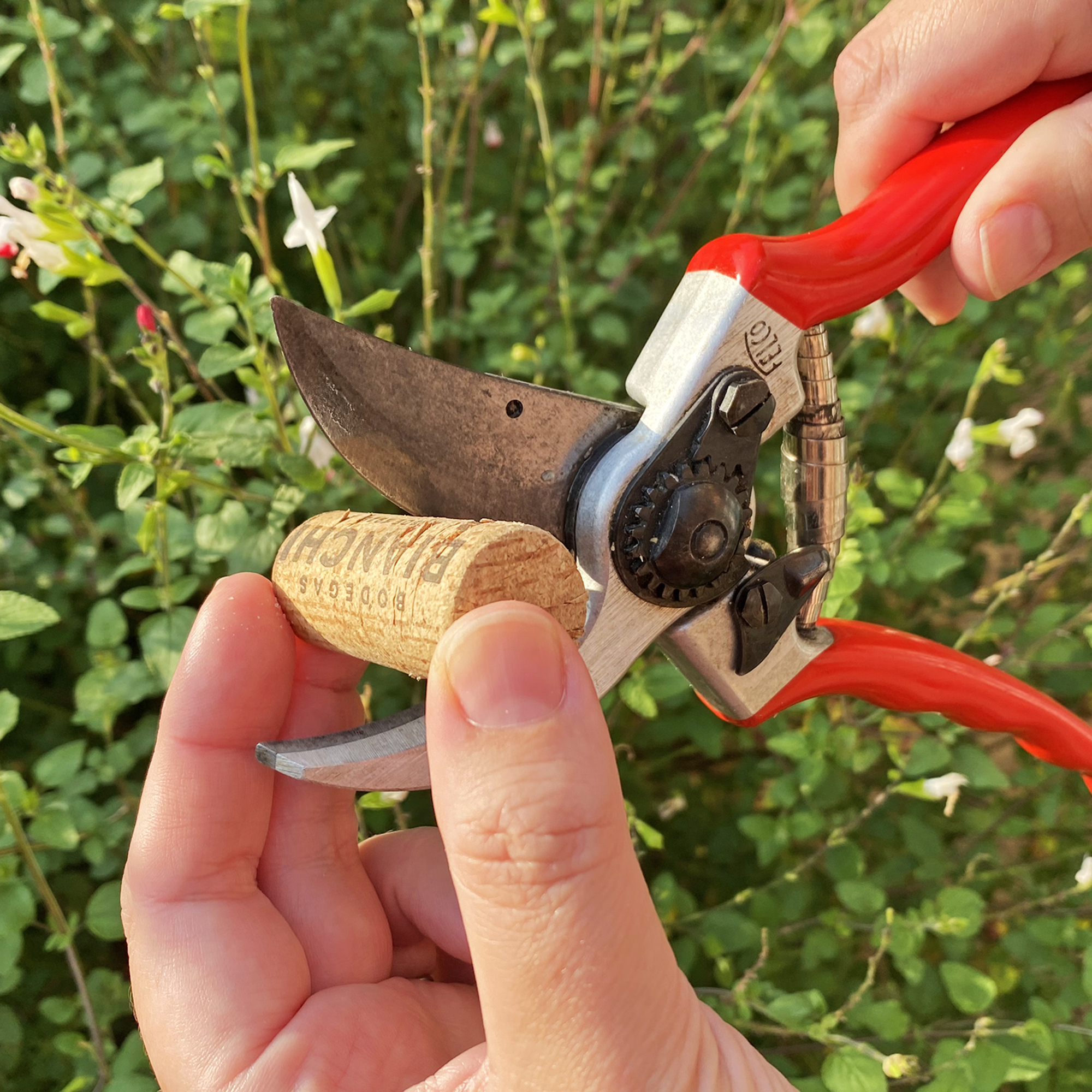
Start by cutting away any parts of the rosemary that are brown or dry. Remove dead stems and leaves to prevent disease and pests. Pruning also makes space for fresh growth.
- Use clean, sharp scissors or pruning shears
- Cut back to healthy, green wood
- Avoid cutting into very old stems
- Dispose of removed material to keep area clean
Stimulating New Growth
After pruning, help your rosemary grow new shoots. Give it the right conditions and nutrients. Water it moderately and make sure it gets enough sunlight.
- Place rosemary in a sunny spot with good air circulation
- Water when the top inch of soil feels dry
- Feed with a balanced liquid fertilizer every 4-6 weeks
- Keep soil well-drained to avoid root rot
Long-term Care Strategies
Protect your rosemary from future frost damage by using these care tips. Proper winter care helps your plant survive cold temperatures better.
| Care Tip | Details |
| Move container plants indoors | Bring rosemary inside during frost warnings |
| Mulch around roots | Use straw or leaves to insulate soil |
| Cover plants outdoors | Use frost cloths or blankets on cold nights |
| Prune annually | Remove old wood each spring to encourage fresh growth |
Credit: dengarden.com
Frequently Asked Questions
How Cold Can Rosemary Tolerate Winter?
Rosemary can survive temperatures down to about 20°F (-6°C). Below this, frost damage may occur. Mulching helps protect roots during cold spells.
Can Rosemary Survive Frost Or Freezing Temperatures?
Rosemary can tolerate light frost but not prolonged freezing. Cover plants with cloth during freezes to prevent damage.
What Are The Best Ways To Protect Rosemary In Cold?
Use mulch, cover with frost cloth, and move potted rosemary indoors. These methods reduce cold stress and improve survival.
Does Rosemary Die In Freezing Weather?
Rosemary may die if exposed to temperatures below 20°F (-6°C) for extended periods. Proper care increases cold hardiness.
Conclusion
Rosemary can survive cold weather but only to a certain point. It prefers mild winters and may suffer if temperatures drop too low. Protecting rosemary from frost helps it stay healthy longer. Planting it in sheltered spots can reduce cold damage.
Remember, young plants need extra care during winter months. With proper attention, rosemary can thrive even in cooler climates. Keep an eye on weather forecasts to act quickly. Growing rosemary in cold areas is possible with simple steps. Your efforts will keep this fragrant herb alive and strong.