Can Air Plants Survive Cold Weather? Essential Survival Tips
Are you a proud owner of air plants, or perhaps thinking about adding these unique beauties to your collection? As someone who appreciates their charm, you might wonder, “Can air plants survive cold weather?”
This is a crucial question, especially if you live in a region where temperatures can dip. Understanding how your air plants handle the chill is essential to keeping them healthy and thriving. Imagine the peace of mind you’ll have knowing your plants are safe through the colder months.
We’ll explore everything you need to ensure your air plants are well cared for, even when the temperature drops. Stick around, and you’ll learn how to create the perfect environment for your air plants, allowing them to flourish all year round.
Air Plants And Cold Sensitivity
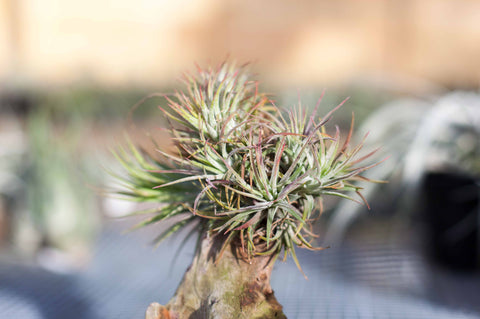
Air plants are unique plants that do not need soil to grow. They absorb moisture and nutrients through their leaves. These plants are popular for their unusual look and easy care.
Cold weather can be a challenge for air plants. Understanding their needs helps keep them healthy during cold times.
Native Climate Conditions
Air plants mostly come from warm and humid places. They grow in tropical and subtropical areas where temperatures rarely drop below 50°F (10°C). These plants are adapted to mild climates with plenty of air circulation.
- Found in Central and South America
- Prefer warm, moist environments
- Usually grow on trees or rocks
- Do not tolerate frost or freezing temperatures
Temperature Thresholds
Air plants can survive only in certain temperature ranges. Below is a table showing their common temperature limits and effects of cold exposure.
| Temperature | Effect on Air Plants |
|---|---|
| Above 50°F (10°C) | Healthy growth and normal function |
| 40°F to 50°F (4°C to 10°C) | Stress begins; growth slows down |
| 32°F to 40°F (0°C to 4°C) | Risk of damage; leaves may brown |
| Below 32°F (0°C) | Freezing damage; plant may die |
Signs Of Cold Stress In Air Plants
Air plants can suffer from cold weather. They show clear signs when they are stressed by cold.
Knowing these signs helps you protect your plants early. Watch for changes in color and texture.
Leaf Discoloration
Cold stress makes air plant leaves change color. Leaves may turn brown, gray, or black.
Discoloration often starts at the tips or edges. It shows that the plant cells are damaged by cold.
- Leaves lose their bright green or silver color
- Dark spots or patches appear on leaves
- Faded or dull appearance takes over
Shriveling And Damage
Cold can make air plant leaves dry out and shrivel. Leaves may look wrinkled or crispy.
Severe cold can cause leaf damage. Leaves might break or become soft and mushy.
- Leaves curl inward or fold
- Dry, brittle texture develops
- Soft spots show signs of rot
Protecting Air Plants In Winter
Air plants are delicate and do not like cold weather. Cold temperatures can harm them and cause damage.
It is important to take steps to protect air plants during winter. This helps them stay healthy and survive the cold months.
Indoor Relocation Strategies
Bringing air plants indoors is the best way to protect them from cold. Inside, they stay warm and safe from frost.
Place air plants near windows where they can get bright, indirect sunlight. Avoid spots that are too dark or too hot.
- Choose a room with good light but no direct sun all day
- Keep air plants away from heating vents to avoid drying out
- Maintain indoor temperature above 50°F (10°C)
Using Frost Covers And Insulation
When air plants must stay outside, use frost covers to protect them from freezing. Covers keep cold air away from the plants.
You can also add insulation around the plants. This helps keep the heat in and stops cold wind from reaching them.
- Use breathable frost cloths to cover plants at night
- Wrap pots with bubble wrap or burlap for extra warmth
- Remove covers during the day to allow sunlight and air
Credit: airplantsupplyco.com
Watering Tips For Cold Weather
Air plants need less water during cold months. Cold air slows their growth. Giving them too much water can cause damage.
Understanding how to water air plants in cold weather helps them stay healthy. Watch for signs of dryness or overwatering.
Adjusting Water Frequency
In cold weather, air plants need water less often. The cooler temperature slows evaporation. You should water them about once every two weeks.
- Check the plant’s dryness before watering
- Water only if leaves feel dry or curled
- Reduce watering during very cold days
- Increase water slightly if home heating dries the air
Avoiding Frozen Moisture
Frozen water can harm air plants. Do not let water stay on the plants when temperatures drop below freezing. Use these tips to avoid frozen moisture:
| Action | Reason |
| Water plants during the warm part of the day | Allows water to dry before cold night |
| Keep plants indoors or in a frost-free area | Protects from freezing temperatures |
| Shake off excess water after misting | Prevents water from sitting on leaves |
| Use a spray bottle to lightly mist instead of soaking | Reduces water volume that can freeze |
Lighting Needs During Cold Months
Air plants need light to survive, even in cold weather. Light helps them grow and stay healthy. During cold months, natural light is weaker and shorter.
It is important to find ways to give air plants enough light. This guide explains how to use natural and artificial light in winter.
Maximizing Natural Light
Place air plants near windows that get sunlight. South-facing windows usually get the most light. Clean windows help more light reach the plants.
- Keep plants away from cold drafts near windows
- Rotate plants weekly to expose all sides to light
- Use sheer curtains to soften harsh sunlight
- Remove any objects blocking the light
Supplemental Artificial Lighting
When natural light is not enough, add artificial light. Use LED or fluorescent grow lights. These lights provide the right spectrum for air plants.
| Type of Light | Recommended Distance | Daily Duration |
| LED Grow Light | 6 to 12 inches | 10 to 12 hours |
| Fluorescent Light | 4 to 6 inches | 10 to 12 hours |
| Incandescent Light | Not Recommended | N/A |
Best Air Plant Varieties For Cold Climates
Air plants are popular for their unique look and easy care. Many wonder if they can survive cold weather.
Some air plant types handle cold better than others. Choosing the right variety is key for cold climates.
Hardier Species Choices
Certain air plants are naturally tougher in cold weather. These species can resist lower temperatures better.
Examples include species from higher altitudes or cooler regions. They adapt well to cold indoor conditions.
- Tillandsia ionantha:Small and hardy, tolerates cool temperatures well.
- Tillandsia tectorum:Has fuzzy leaves that protect it from cold and dry air.
- Tillandsia brachycaulos:Can survive brief cold spells if kept dry.
- Tillandsia xerographica:Large and tough, handles cooler nights indoors.
Breeding And Selection
Breeders select air plants that do well in cooler places. They cross plants to make hardier varieties.
This process helps create plants with better cold resistance. These types are easier to grow in cold homes.
- Breeders focus on thicker leaves for cold protection.
- Plants with fuzzy or hairy surfaces keep moisture and warmth.
- Selection favors plants that grow well with less heat.
- New hybrids may combine traits from different species for strength.
Common Mistakes To Avoid
Air plants are unique and require special care, especially in cold weather. Many people make mistakes that harm these plants during winter.
Knowing what to avoid helps air plants stay healthy and survive cold conditions better.
Overwatering In Cold
Watering air plants too much in cold weather causes root rot and other issues. Cold air slows down evaporation, making plants stay wet longer.
- Do not water daily in cold months.
- Water only when the plant feels dry to touch.
- Use a spray bottle to mist lightly instead of soaking.
- Make sure air plants dry fully within 4 hours after watering.
- Keep plants away from damp and dark places.
Ignoring Temperature Fluctuations
Air plants are sensitive to sudden temperature changes. Cold drafts or quick warm-ups can stress them out.
| Temperature Issue | Effect on Air Plants |
| Sudden drop below 50°F (10°C) | Leaves turn brown and dry |
| Frost exposure | Plant cells freeze and die |
| Rapid warming after cold | Shock causing slow growth |
Credit: airplantsupplyco.com

Credit: thecraftykit.com
Frequently Asked Questions
Can Air Plants Survive Freezing Temperatures?
Air plants cannot survive freezing temperatures below 32°F (0°C). Cold damages their cells, causing rot and death. They need protection indoors or in frost-free areas during winter to thrive.
What Is The Ideal Temperature For Air Plants?
Air plants thrive best between 50°F and 90°F (10°C to 32°C). Temperatures below 50°F stress them, while extreme heat can cause dehydration. Maintaining moderate indoor conditions ensures healthy growth.
How To Protect Air Plants From Cold Weather?
To protect air plants, bring them indoors during cold months. Avoid placing them near drafty windows or vents. Use a humidifier or mist regularly to maintain moisture in dry, heated rooms.
Can Air Plants Survive Outdoor Winter Conditions?
Most air plants cannot survive outdoor winters in cold climates. They prefer mild, frost-free environments. In regions with harsh winters, keep them inside or in controlled greenhouses to prevent damage.
Conclusion
Air plants do not like cold weather. They grow best in warm, bright places. Protect them from frost and freezing temperatures. Bring them indoors during cold months. Use light and water carefully to keep them healthy. With simple care, air plants can survive winter.
They add beauty to any home all year. Take small steps to keep them safe. Your air plants will thank you with fresh, green leaves.