How Do Birds Survive in Very Cold Weather: Amazing Adaptations Explained
Have you ever watched birds flitting about in the dead of winter and wondered how they manage to survive? As you bundle up in layers to keep warm, these feathered creatures seem to defy the harshest of cold weather with ease.
It’s almost magical to think about how they thrive when the temperature drops, especially when you consider their delicate size and structure. Understanding the secrets behind their survival can open up a whole new world of appreciation for these resilient creatures.
Ready to uncover the mystery of how birds brave the chill? Keep reading, and you’ll discover the remarkable strategies that help them endure the cold. You might even find some surprising insights that can change the way you perceive the natural world around you.
Credit: boropulse.com
Feather Insulation
Birds survive cold weather thanks to their special feathers. These feathers keep them warm by trapping heat close to their bodies.
Feather insulation has three key parts that work together to protect birds from the cold.
Layered Plumage
Birds have many layers of feathers. These layers create air pockets that trap heat. The more layers, the better the insulation.
- Outer feathers block wind and cold air
- Middle layers trap warm air close to the skin
- Inner feathers provide softness and extra warmth
Down Feathers
Down feathers lie beneath the outer feathers. They are soft and fluffy. These feathers keep birds warm by trapping heat near their bodies.
| Feature | Function |
| Soft and fine | Traps warm air |
| Close to skin | Provides insulation |
| Lightweight | Does not weigh down the bird |
Water-repellent Coating
Birds have a water-repellent layer on their feathers. This coating keeps feathers dry and stops heat loss.
This coating is made of oils from the bird’s preen gland. It helps feathers stay fluffy and warm by repelling water.

Credit: www.youtube.com
Body Heat Regulation
Birds use special ways to keep their body warm in cold weather. Their body heat regulation helps them survive freezing temperatures. They produce and save heat to stay alive.
Understanding how birds control their body heat shows their smart survival skills. They use natural methods to fight the cold.
Shivering Thermogenesis
Birds create heat by shivering. This process is called shivering thermogenesis. Their muscles move quickly without full body movement. This action produces heat inside the body.
Shivering helps birds warm up fast when the temperature drops. It uses stored energy to keep their body temperature stable.
Counter-current Heat Exchange
Birds have a special blood flow system in their legs and feet. Warm blood flows down to the feet. Cold blood flows up to the body. These blood flows pass close to each other.
- The warm blood heats the cold blood returning to the body.
- This reduces heat loss through the legs and feet.
- It keeps the bird’s core body temperature high.
- This system saves energy in cold weather.
Reducing Heat Loss
| Method | Description |
| Fluffing Feathers | Birds raise their feathers to trap warm air close to their skin. |
| Tucking Beak and Feet | They hide their beak and feet under feathers to keep them warm. |
| Finding Shelter | Birds stay in protected places to avoid wind and cold. |
| Reducing Surface Area | Birds make themselves smaller to lose less heat. |
Behavioral Strategies
Birds use smart behaviors to survive cold weather. They change how they act to stay warm and safe.
These strategies help birds keep their body heat and find shelter from harsh conditions.
Huddling Together
Many birds stay close to each other in groups. This helps them share warmth and reduce heat loss. Huddling lowers the energy each bird needs to stay warm.
- Birds press their bodies side by side.
- They tuck their heads under wings to save heat.
- The center birds stay warmest, while outer birds rotate in.
Seeking Shelter
Birds find safe places to hide from cold winds and snow. They use natural shelters or man-made spots.
| Shelter Type | Benefits |
| Tree holes | Protect from wind and keep warmth inside |
| Bushes | Block cold air and snow |
| Buildings and birdhouses | Offer dry and warm places |
Altering Activity Patterns
Birds change their daily habits to save energy. They may rest more during cold times and be active when it is warmer.
Common activity changes include:
- Foraging for food in the warmer hours of the day
- Reducing flights to save energy
- Fluffing feathers to trap air and stay warm
Metabolic Adaptations
Birds survive cold weather by changing how their bodies use energy. Their metabolism helps keep them warm.
These changes help birds stay alive when the temperature drops very low.
Increased Caloric Intake
Birds eat more food in cold weather. This extra food gives them energy to stay warm.
Eating more helps fuel their body heat and keeps them active during winter.
Fat Storage
Birds store fat before winter comes. Fat acts as a warm energy reserve.
This fat helps birds survive days when food is hard to find.
Adjusting Metabolic Rate
Birds can change how fast their metabolism works. This helps control how much heat they make.
They raise their metabolic rate to produce more body heat in cold weather.
Physical Adaptations
Birds have special body features to help them live in cold places. These features keep them warm and safe.
Physical adaptations help birds save heat and stay active during winter. They change their shape, feet, and colors.
Compact Body Shape
Birds in cold weather often have small, round bodies. This shape keeps heat inside their bodies.
A compact body reduces the surface area. Less surface means less heat loss to the cold air.
Specialized Feet And Legs
Birds have feet and legs made to handle cold. Their skin has less blood flow to save heat.
They also use a special system to keep their feet warm. This system keeps blood warm inside their bodies.
- Blood vessels close together to warm blood
- Less blood flow to feet to reduce heat loss
- Scaly skin protects against cold
Coloration Changes
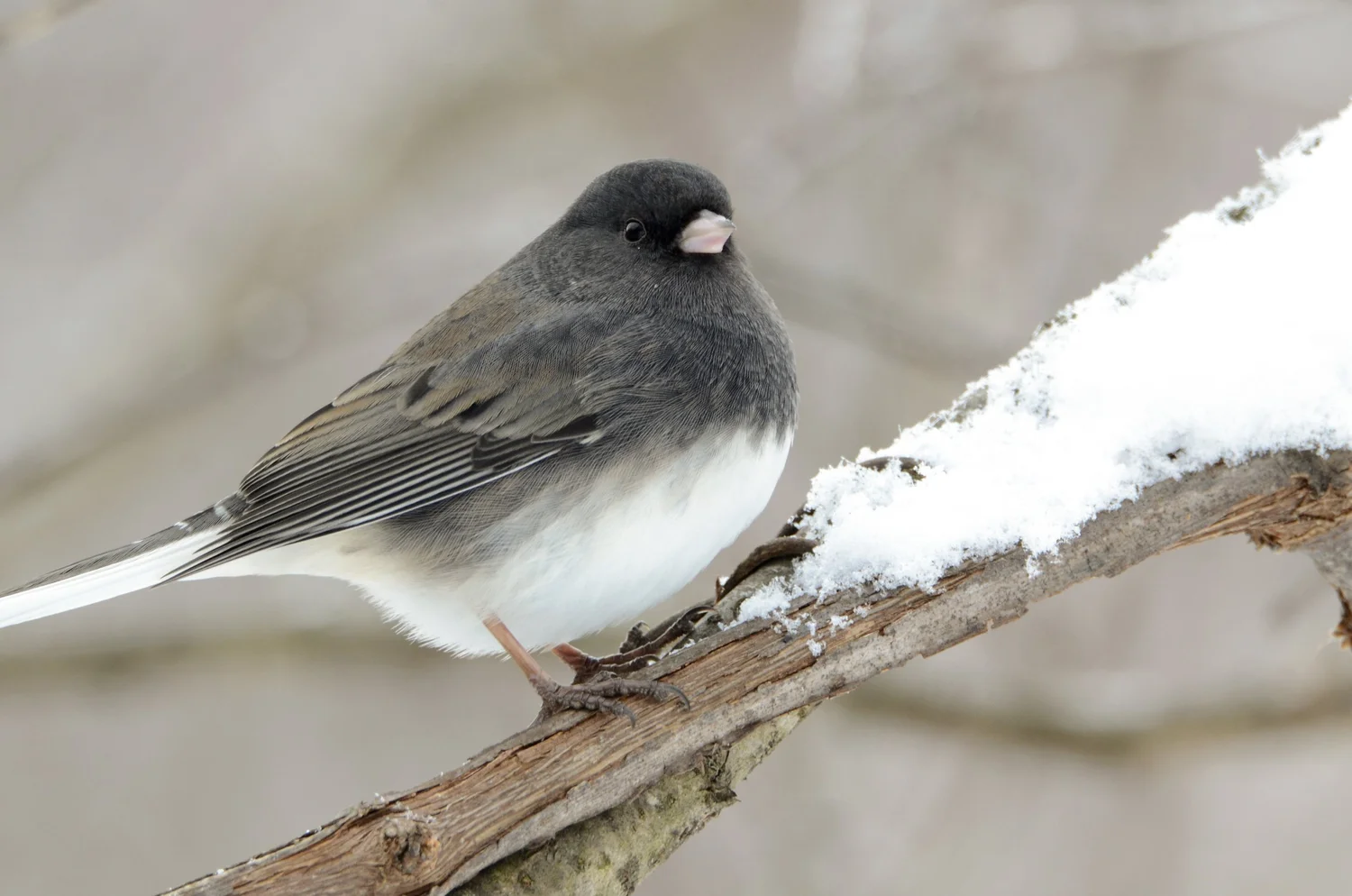
Some birds change their feathers’ colors in winter. Dark colors help them absorb more heat from the sun.
Light colors can also help birds blend into snowy areas. This helps them stay safe from predators.
- Dark feathers absorb heat
- Light feathers provide camouflage in snow
- Color change happens with molting in some species

Credit: www.aquascapeinc.com
Migration Patterns
Birds use different migration patterns to survive cold weather. These movements help them find warmer places or better food.
Migration is a key way birds avoid harsh winter conditions. They travel to areas where they can live more easily.
Seasonal Movement
Many birds fly south during winter. They return north when spring comes. This helps them stay warm and find food all year.
Seasonal movement is common in birds like geese and swans. These birds travel long distances to avoid freezing temperatures.
Partial Migration
Some birds only move part of their group to warmer places. Others stay if the weather is mild. This is called partial migration.
Partial migration helps birds adapt to changing weather. It also reduces competition for food in one area.
Altitude Changes
Some birds fly to lower heights or valleys to escape cold air. They do not always travel far south but change altitude instead.
Altitude changes help birds find warmer temperatures and more food. Mountain birds often use this strategy to survive winter.
Frequently Asked Questions
How Do Birds Keep Warm In Freezing Temperatures?
Birds fluff their feathers to trap warm air close to their bodies. They also tuck their bills and feet to reduce heat loss. Shivering generates additional body heat. These natural strategies help birds survive extreme cold effectively.
What Adaptations Help Birds Survive Cold Weather?
Birds have dense down feathers that insulate them from cold. Their circulatory system minimizes heat loss through extremities. Some species grow extra feathers in winter. These adaptations enable birds to maintain body heat during harsh winters.
Do Birds Change Their Behavior In Cold Weather?
Yes, birds reduce activity to conserve energy during cold spells. They seek shelter in dense foliage or cavities. Many birds also fluff their feathers and huddle together for warmth. Behavior changes are vital for their survival in cold.
How Do Birds Find Food In Winter Cold?
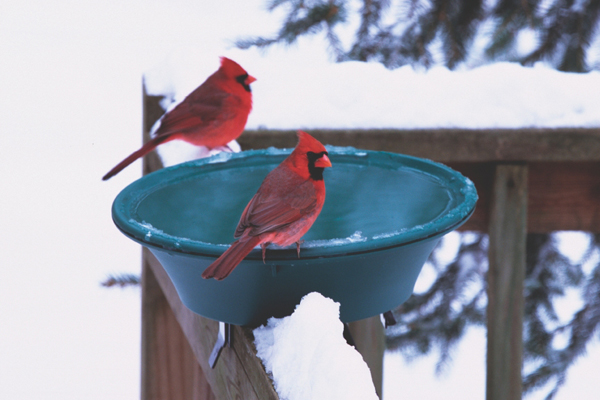
Birds rely on stored fat and search actively for seeds, insects, and berries. Some species cache food in warmer months. They often visit feeders and open water sources to meet energy needs in winter.
Conclusion
Birds stay warm in cold weather through smart habits and body features. They fluff their feathers to trap heat close to their skin. Many birds huddle together to share warmth during chilly nights. Their bodies slow down to save energy, staying calm and still.
Birds also find shelter in trees or bushes to avoid harsh winds. Eating more helps them build fat for extra insulation. These simple but effective ways help birds survive winter’s toughest times. Nature’s design keeps them safe and warm, even in freezing cold.