How Do Cities Survive Hurricanes: Essential Strategies Revealed
Imagine waking up to the sound of fierce winds howling outside your window. The sky is dark, and the air is thick with tension.
A hurricane is approaching your city, and you can’t help but wonder, how will your city withstand such a powerful force of nature? Hurricanes are among the most devastating natural disasters, but cities have developed ways to weather these storms.
You’ll discover the fascinating strategies and innovations that help cities not just survive, but thrive after hurricanes. From cutting-edge architecture to community preparedness plans, we’ll explore the secrets behind urban resilience. You’ll see how your city, and others like it, are safeguarding lives and infrastructures against these mighty storms. Get ready to uncover the hidden layers of urban protection that keep you and your loved ones safe when nature shows its fiercest face.

Credit: www.history.com
City Planning For Hurricanes
Cities near coasts face risks from hurricanes every year. Good planning helps protect people and property.
City planners use special rules and designs to reduce damage during storms.
Zoning And Land Use
Zoning controls where buildings can be placed in a city. It helps keep homes away from flood zones.
Land use plans limit building in areas prone to storm surges or strong winds. Open spaces can absorb floodwaters.
- Restrict building in high-risk flood areas
- Use parks and wetlands as natural buffers
- Separate industrial zones from residential areas
- Plan evacuation routes with easy access
Infrastructure Resilience
Strong infrastructure keeps cities working during and after hurricanes. It includes roads, bridges, and utilities.
Planners design buildings and utilities to resist wind and water damage. Backup power and water systems are important.
- Build roads and bridges to withstand flooding
- Install storm-resistant power lines and poles
- Use flood barriers and seawalls near coasts
- Ensure water systems can operate during power outages
Credit: www.cnn.com
Building Stronger Structures
Cities need strong buildings to survive hurricanes. Strong structures protect people and reduce damage.
Building stronger means using smart designs and better materials. These help buildings stand against strong winds and rain.
Hurricane-resistant Designs
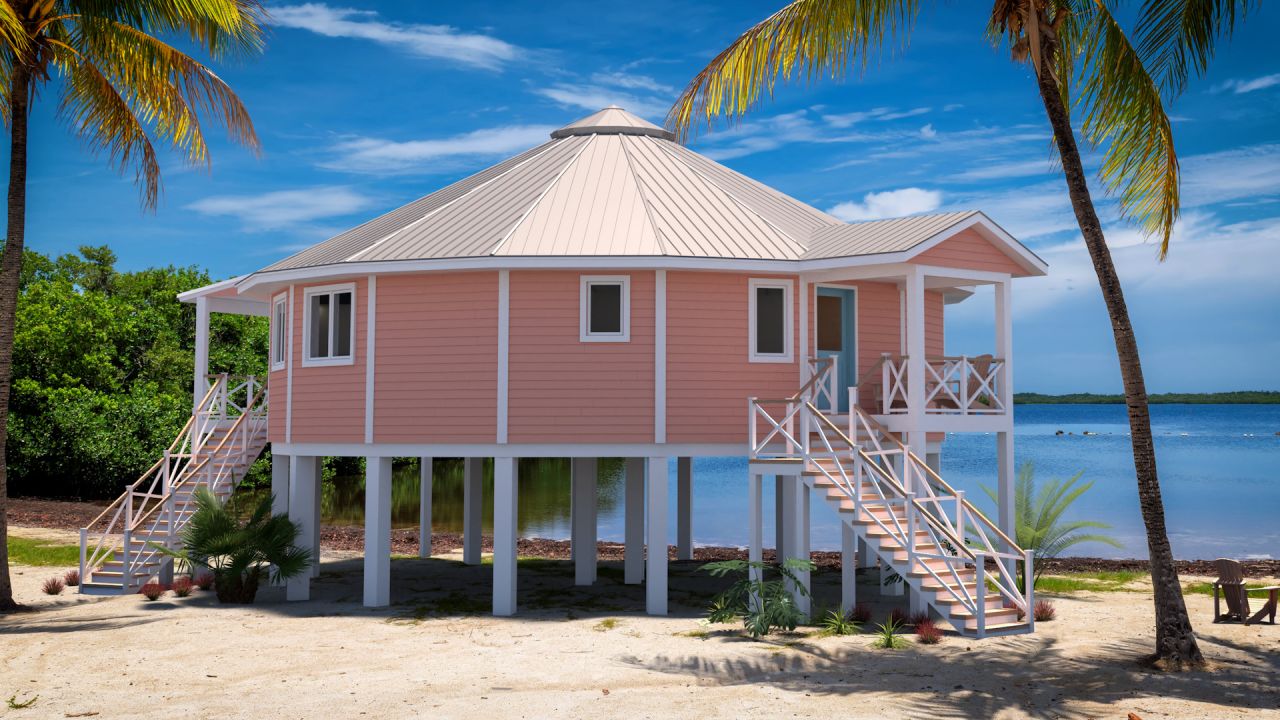
Designs for hurricane resistance focus on shape and structure. Rounded roofs and fewer openings reduce wind pressure.
Buildings have reinforced frames and strong connections. These keep the walls and roof from lifting off during storms.
- Sloped or rounded roofs to reduce wind force
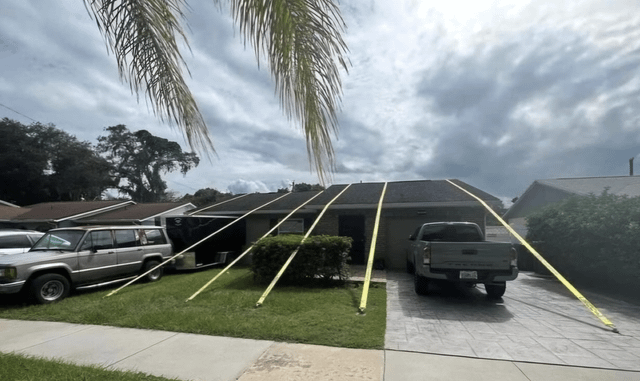
- Strong tie-downs between roofs and walls
- Fewer windows or protected window shutters
- Elevated floors to avoid flood damage
Material Innovations
New materials make buildings tougher against hurricanes. They resist water and strong winds better than old materials.
Engineers use reinforced concrete, impact-resistant glass, and treated wood. These materials help buildings last through storms.
- Reinforced concrete for strong walls and foundations
- Impact-resistant glass to stop broken windows
- Treated wood to resist water and insects
- Flexible sealants to prevent leaks
Flood Control Measures
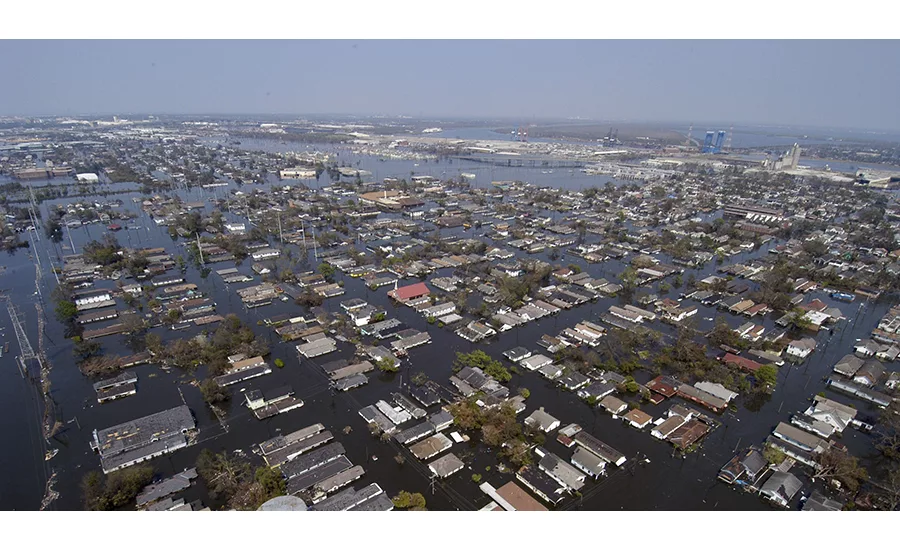
Cities use many ways to stop floods from hurricanes. These methods help protect homes and roads.
Strong flood control can save lives and reduce damage during storms.
Levees And Floodwalls
Levees are long walls made of earth or concrete. They stop water from rivers or seas from flooding cities.
Floodwalls are tall barriers built in cities. They block storm surges and heavy rainwater from reaching streets.
- Levees protect large areas around rivers
- Floodwalls protect specific city parts
- Both reduce flood damage during hurricanes
Stormwater Management
Stormwater systems collect rainwater quickly. They stop water from pooling in streets and homes.
Cities use drains, pipes, and ponds to control rainwater during storms.
- Drains catch rainwater from roads
- Pipes move water away fast
- Retention ponds hold extra water safely
Credit: www.wbaltv.com
Emergency Preparedness
Cities prepare for hurricanes to keep people safe and reduce damage. Good emergency plans help cities survive storms.
Preparing ahead saves lives and helps communities recover faster after the hurricane ends.
Evacuation Plans
Evacuation plans guide people to leave dangerous areas quickly and safely. Cities map out routes to avoid traffic jams.
Officials tell residents when and where to evacuate. They also provide shelters for people who need a safe place.
- Clear evacuation routes marked with signs
- Special plans for hospitals and schools
- Transportation help for those without cars
- Information centers to answer questions
- Safe shelters stocked with supplies
Early Warning Systems
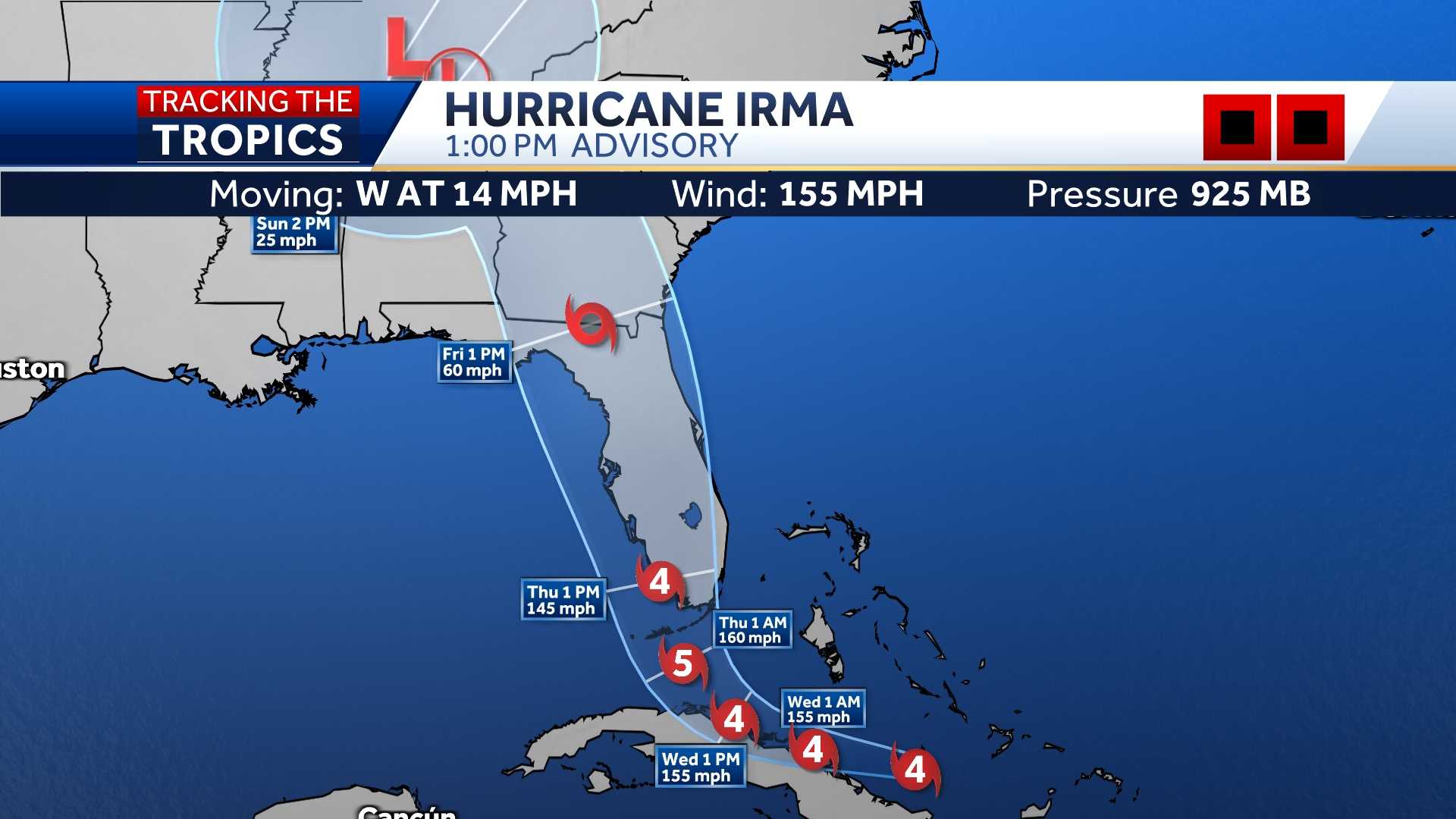
Early warning systems use technology to alert cities about incoming hurricanes. This gives people time to prepare or leave.
Warnings come by phone alerts, sirens, and media announcements. The faster the warning, the better people can react.
- Weather radar tracks storms in real time
- Emergency alerts sent to phones and radios
- Community sirens warn people outdoors
- Local news shares updates constantly
- Coordination with national weather agencies
Community Involvement
Cities face many challenges during hurricanes. Community involvement helps them prepare and recover. People working together make a big difference.
Residents learn how to stay safe and help each other. Local groups organize efforts to protect homes and lives.
Public Education
Teaching people about hurricanes helps reduce risks. Education programs show how to get ready and what to do during storms.
- Explain evacuation routes clearly
- Share tips on securing homes
- Provide information on emergency kits
- Teach how to stay informed with weather alerts
- Hold workshops in schools and community centers
Volunteer Networks
Volunteers play a key role in helping cities survive hurricanes. They support emergency services and assist neighbors in need.
| Volunteer Role | Key Tasks |
| Emergency Responders | Help with rescues and first aid |
| Community Helpers | Check on elderly and disabled residents |
| Supply Distributors | Deliver food, water, and medicine |
| Clean-Up Crews | Clear debris and repair damages |
Post-hurricane Recovery
After a hurricane, cities face many challenges to recover. They work hard to bring back normal life quickly.
Recovery involves checking damage and rebuilding homes and infrastructure safely and smartly.
Damage Assessment
Damage assessment helps cities know what was hurt by the hurricane. Experts inspect buildings, roads, and utilities.
This step is important to plan repairs and to find out where help is needed most.
- Check homes and businesses for structural damage
- Inspect bridges, roads, and public transport
- Evaluate power lines and water systems
- Document damage to help with insurance and aid
Rebuilding Efforts
Rebuilding efforts start after damage is assessed. Cities repair and replace what was lost or broken.
They focus on stronger buildings and better systems to handle future storms.
- Clear debris to reopen streets and access
- Fix power, water, and communication lines
- Build homes with stronger materials
- Update building codes for safety
- Help families and businesses recover quickly
Frequently Asked Questions
How Do Cities Prepare For Hurricane Season?
Cities prepare by reinforcing infrastructure, creating evacuation plans, and conducting public awareness campaigns. Emergency services coordinate for quick response and recovery. Building codes are updated to withstand strong winds and flooding. These measures reduce damage and protect residents during hurricanes.
What Infrastructure Helps Cities Survive Hurricanes?
Critical infrastructure includes storm surge barriers, levees, and seawalls. Cities also invest in flood-resistant drainage systems and power grid protection. Emergency shelters and communication networks ensure safety and coordination. These systems minimize damage and maintain essential services during hurricanes.
How Do Evacuation Plans Save City Lives?
Evacuation plans identify safe routes and shelters before hurricanes arrive. They guide residents to evacuate efficiently and avoid traffic congestion. Authorities use alerts to communicate timely warnings. Proper execution of evacuation plans reduces casualties and helps cities recover faster.
Why Is Building Resilience Important For Hurricane Survival?
Building resilience means designing cities to absorb and recover from hurricane impacts. It involves strong construction, green spaces for water absorption, and emergency preparedness. Resilient cities experience less damage and quicker recovery, safeguarding lives and economic stability.
Conclusion
Cities face hurricanes with strong plans and teamwork. They build tough buildings and clear flood paths. People stay informed and ready to act fast. Emergency teams train and help without delay. Nature is powerful, but cities keep learning and improving.
Safety grows from smart choices and quick responses. Together, communities can stand strong against storms. Survival depends on planning, action, and care. This is how cities protect lives and homes.