Can Parvo Survive Cold Weather: Shocking Truth Revealed!
Picture this: it’s a chilly morning, and you’re sipping on a hot cup of coffee, watching your dog play in the backyard. Suddenly, a worrying thought crosses your mind—can parvovirus, the dreaded dog disease, survive the cold weather?
You’ve heard so much about its resilience, but surely the biting cold can keep it at bay, right? Before you let your guard down, let’s dive into some crucial facts that could make all the difference in keeping your furry friend safe.
Understanding how parvo behaves in cold weather might just save you from an unexpected heartbreak. Ready to uncover the truth? Let’s explore this vital topic together.
Parvo Virus Basics
Parvo is a virus that affects dogs, especially puppies. It can cause serious illness and needs quick care.
This virus is very strong and can live in the environment for a long time. Knowing how it works helps keep dogs safe.
What Is Parvo?
Parvo, short for canine parvovirus, is a harmful virus for dogs. It mainly attacks the stomach and intestines.
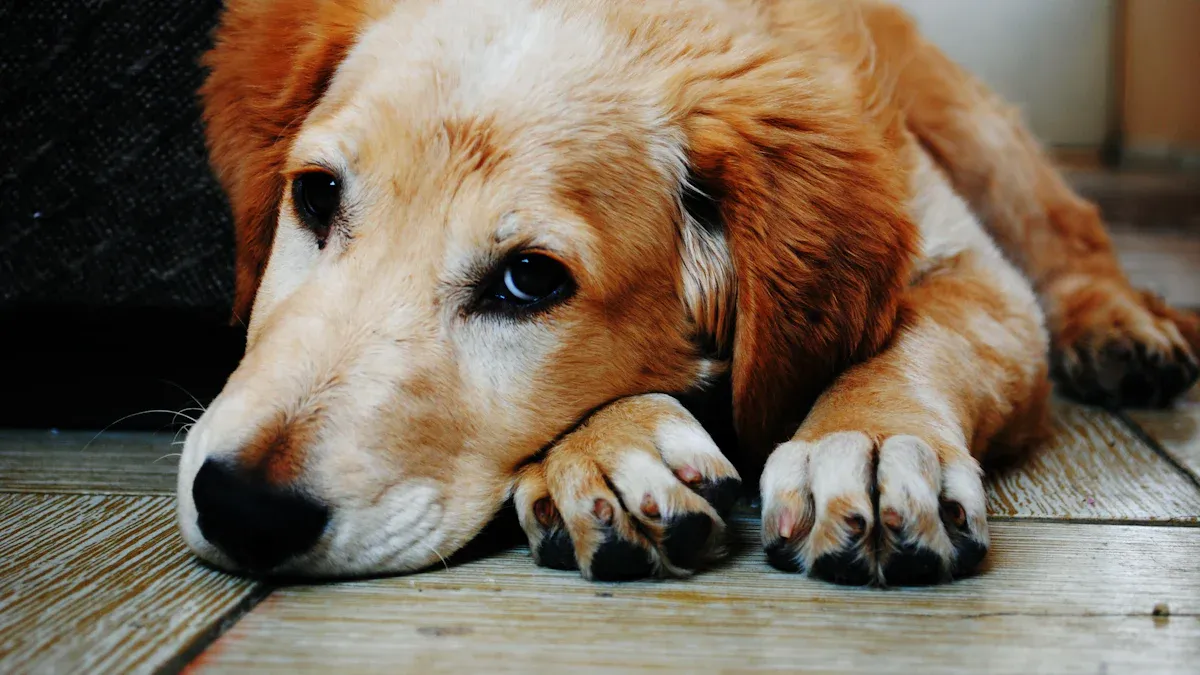
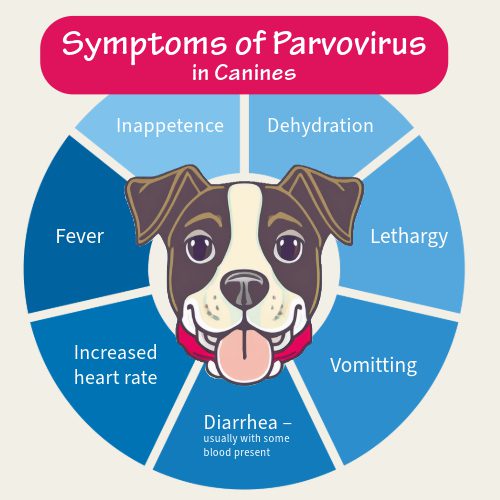
The virus causes symptoms like vomiting, diarrhea, and weakness. Puppies and unvaccinated dogs get sick the most.
How Parvo Spreads
Parvo spreads when dogs come in contact with the virus. It is in the feces of infected dogs and can contaminate surfaces.
Dogs get infected by licking or sniffing places with the virus. People can also carry the virus on their clothes or shoes.
- Contact with infected dog poop
- Touching contaminated soil or objects
- Sharing bowls or toys with sick dogs
- Virus carried on shoes or hands
Credit: www.antigenne.com
Parvo And Temperature
Parvovirus is a virus that affects dogs, especially puppies. People often ask if cold weather can kill parvo.
Temperature plays a big role in how long the virus can survive outside a host.
Effect Of Cold On Virus Survival
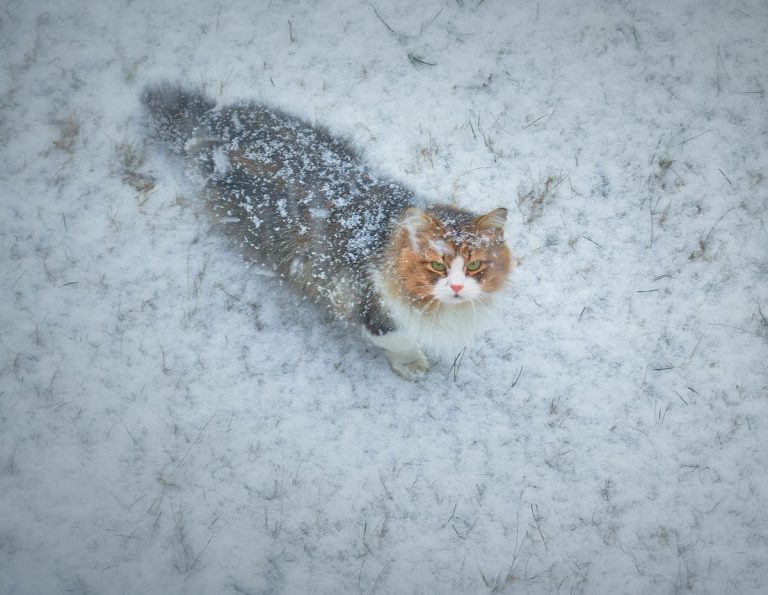
Cold temperatures slow down the virus’s activity. The virus can stay alive longer in cold weather.
Freezing does not kill parvo. The virus remains infectious even after freezing.
- Parvo can survive weeks or months in cold soil or surfaces
- Cold weather helps the virus stay stable and infectious
- Cleaning and disinfecting are needed to remove the virus
Comparing Cold And Warm Conditions
Warm temperatures reduce the virus’s survival time. Heat can break down the virus faster.
In warm weather, sunlight and heat help destroy the virus more quickly.
| Condition | Virus Survival Time | Virus Activity |
|---|---|---|
| Cold Weather | Weeks to months | Low but stable |
| Warm Weather | Days to weeks | Higher but less stable |
Environmental Factors Influencing Parvo
Parvo is a tough virus that can survive in different conditions. The environment plays a big role in how long it lasts outside a host.
Understanding these factors helps protect pets from infection. Some conditions make the virus live longer, others shorten its life.
Humidity And Virus Longevity
Humidity affects how long parvo can survive on surfaces. The virus tends to live longer in moist environments.
Dry air can make the virus break down faster. But very wet conditions can also help spread the virus by making it easier to stick to objects.
- High humidity helps parvo survive longer
- Low humidity can reduce virus life
- Wet surfaces increase virus spread risk
Surface Types And Contamination
Parvo can stay on many surfaces but lives longer on some than others. Hard, non-porous surfaces hold the virus more than soft ones.
Soil and grass can protect the virus by keeping it shaded and moist. Cleaning these surfaces is harder, raising contamination risks.
- Hard surfaces like plastic keep parvo longer
- Soft surfaces like fabric break down the virus faster
- Outdoor surfaces like soil protect the virus
Cases Of Parvo In Winter
Parvovirus is a tough virus that can survive in many environments. Many people think cold weather kills it quickly.
But cases of parvo still happen during winter. This shows the virus can last through cold seasons.
Reported Outbreaks In Cold Seasons
Several reports show parvo outbreaks in winter months. The virus can stay active in cold, damp places.
- Dog shelters have seen more cases in late fall and winter.
- Outdoor parks with shaded, moist soil keep the virus alive.
- Areas with snow cover do not fully stop the virus from spreading.
- Puppies and unvaccinated dogs are most at risk.
Risks For Pets During Winter
Winter changes pets’ routines and environments. These changes can increase parvo risk.
| Risk Factor | Why It Matters |
| Reduced Outdoor Time | Pets may stay in small spaces where the virus spreads easily. |
| Wet and Muddy Areas | Virus survives longer in damp soil or puddles. |
| Lower Vaccination Visits | Cold weather may delay vet visits and vaccinations. |
| Close Contact | Pets in shelters or kennels share spaces, raising infection chances. |
Preventing Parvo In Cold Weather
Parvovirus can survive in cold weather for months. Protecting your dog is important all year.
Preventing parvo means using cleaning, vaccination, and safe outdoor habits.
Effective Cleaning Methods
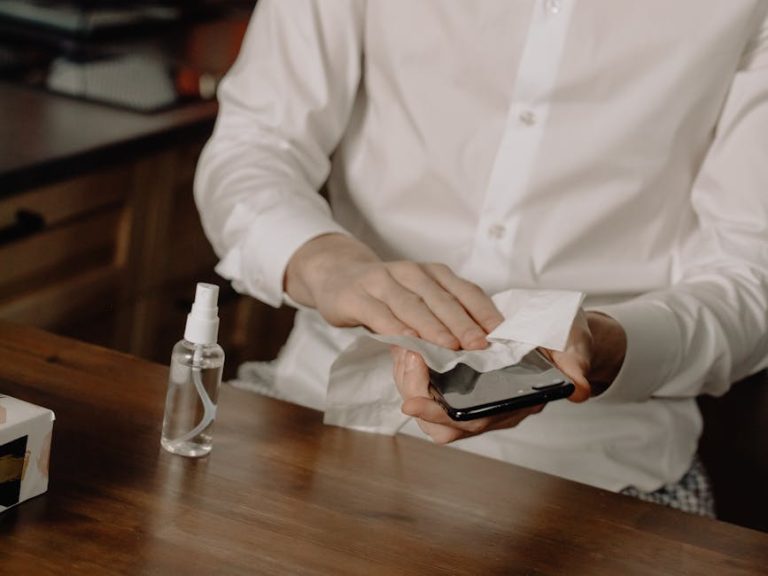
Cleaning areas where dogs play helps stop parvo from spreading. Use strong cleaners and clean often.
- Use a bleach solution with one part bleach to 30 parts water
- Scrub surfaces and let bleach sit for 10 minutes
- Rinse areas well after cleaning
- Wash dog bedding and toys regularly
- Dispose of feces quickly and safely
Vaccination Importance
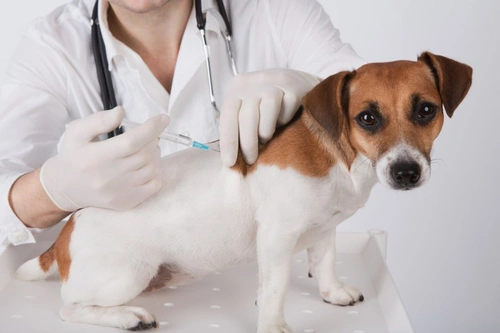
Vaccines protect dogs from parvo, especially puppies. Keep vaccines up to date even in winter.
| Age | Vaccine Dose | Booster Timing |
| Puppies (6-16 weeks) | 3 doses | Every 3-4 weeks |
| Adult dogs | 1 dose | Every 1-3 years |
Safe Outdoor Practices
Cold weather does not kill the virus outdoors. Keep your dog safe by controlling where they go.
- Avoid dog parks with unknown dogs
- Keep dogs on leashes during walks
- Do not let dogs eat or sniff feces
- Clean paws after outdoor trips
- Limit exposure to crowded dog areas in winter
Credit: www.goodrx.com
Credit: somersetvethospital.com
Frequently Asked Questions
Can Parvo Virus Survive In Cold Weather?
Yes, Parvo virus can survive in cold weather. It remains active in low temperatures for months. Cold weather does not kill the virus, making it a persistent threat to dogs.
How Long Does Parvo Last In Cold Conditions?
Parvo can survive for several months in cold conditions. The virus thrives in shaded, damp areas and can remain infectious for up to a year. Proper sanitation is essential to prevent its spread.
Does Freezing Kill Canine Parvovirus?
Freezing does not kill canine parvovirus. The virus can withstand freezing temperatures and remain infectious. Disinfection with appropriate cleaners is necessary to eliminate it from contaminated areas.
How Can I Protect My Dog From Parvo In Winter?
Keep your dog away from unknown or contaminated areas. Vaccinate your dog against parvo and maintain hygiene. Limit exposure to places where infected dogs have been, especially during winter.
Conclusion
Parvo virus can survive cold weather for months. It stays strong in low temperatures. This means your pet can still catch it outside. Clean your dog’s space often to lower risks. Vaccinate your dog to keep it safe. Watch for symptoms and act fast if sick.
Cold weather does not stop parvo spread. Stay alert and protect your furry friend. Safety is key to fighting this virus.