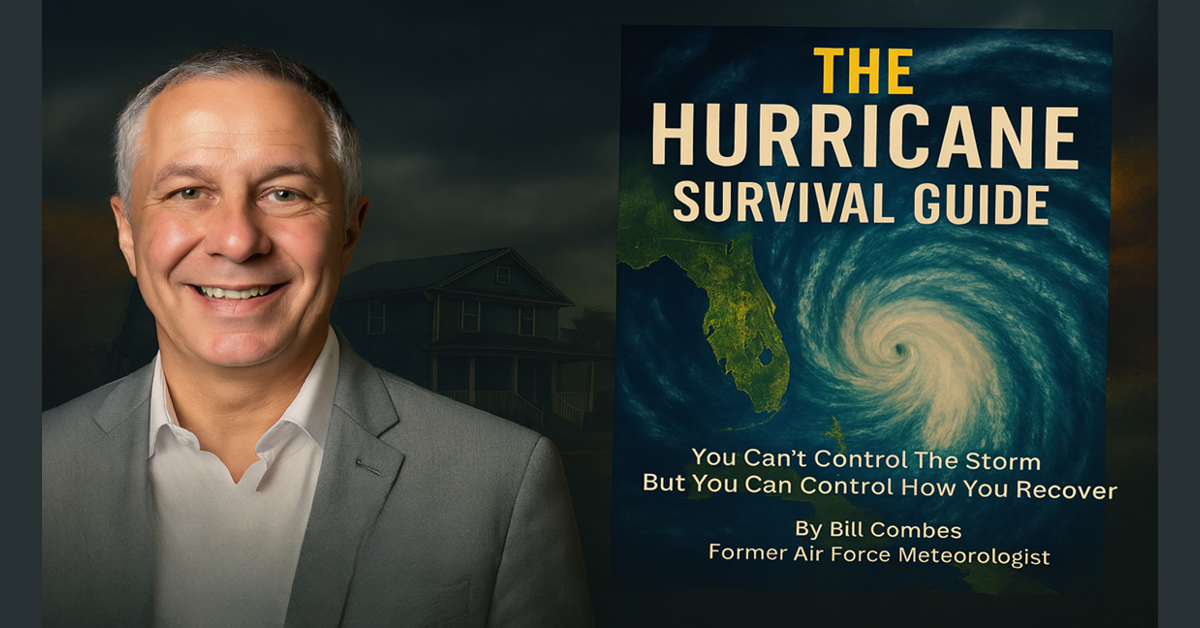
How to Make Hurricanes More Survivable: Essential Safety Tips
When hurricanes strike, they leave behind a trail of destruction, altering landscapes and lives in moments. But what if you could increase your chances of weathering these powerful storms safely?
Understanding how to make hurricanes more survivable is not just about stocking up on supplies; it’s about being smarter and more prepared. Imagine the peace of mind you’ll feel knowing your family and home are as ready as possible. You’ll discover practical steps and expert insights that can transform your approach to hurricane season.
Equip yourself with knowledge and strategies that could make all the difference when the winds start to howl. Ready to safeguard what matters most? Let’s dive in.
Preparing Your Home
Getting your home ready can keep you safe during a hurricane. It takes some effort but helps protect your family and property.
Focus on making your home strong. Secure windows and doors, reinforce the roof and walls, and clear outdoor debris.
Securing Windows And Doors
Windows and doors are weak points during hurricanes. Strong winds and flying debris can break glass and let water inside.
- Install storm shutters or plywood over windows
- Use impact-resistant glass if possible
- Check door frames and reinforce with metal braces
- Use heavy-duty deadbolts and locks
- Seal gaps to prevent water leaks
Reinforcing Roof And Walls
A strong roof and walls help keep your home intact. Loose shingles or weak walls can fail under hurricane force winds.
| Part | Reinforcement Tip |
| Roof | Use hurricane straps to secure rafters |
| Shingles | Replace loose or damaged shingles |
| Walls | Add plywood or metal panels for extra strength |
| Garage Doors | Install bracing kits or replace with stronger doors |
Clearing Outdoor Debris
Remove loose items outside your home. These can become dangerous projectiles during strong winds.
Secure or remove:
- Patio furniture
- Trash cans
- Garden tools and hoses
- Loose branches and leaves
- Outdoor decorations
Emergency Supplies
Preparing emergency supplies helps you stay safe during a hurricane. Supplies give you what you need when help is far away.
Gathering the right items before a storm improves your chances of staying healthy and comfortable.
Stocking Food And Water
Have enough food and water to last at least three days. Choose foods that do not need cooking.
Bottled water is best. Plan for one gallon per person per day.
- Canned fruits and vegetables
- Peanut butter and nuts
- Granola bars and dried snacks
- Bottled water and juice boxes
- Manual can opener
Essential Medical Supplies
Keep a first-aid kit with bandages, antiseptics, and medicines. Include any prescriptions you need.
Check supplies often. Replace expired or used items to stay ready.
- Adhesive bandages and gauze
- Antiseptic wipes and ointments
- Pain relievers like acetaminophen
- Prescription medications
- Thermometer and tweezers
Backup Power Sources
Power outages happen during hurricanes. Backup power keeps lights and devices working.
Use portable chargers and generators safely. Keep fuel stored outside the home.
- Portable power banks for phones
- Battery-powered lanterns and radios
- Fuel-powered generators
- Extra batteries for flashlights
Creating A Family Plan
Hurricanes can cause serious damage. A family plan helps keep everyone safe. It prepares your family for emergencies.
Make sure every family member knows the plan. Practice it often so no one feels confused or scared.
Communication Strategies
Good communication is key during a hurricane. Decide how family members will stay in touch.
Use phones, texts, or apps that work without internet. Share important phone numbers with everyone.
- Choose a primary way to contact each other
- Pick a backup method like texting or social media
- Keep a list of emergency contacts
- Agree on a code word for safety messages
Evacuation Routes
Know the safest ways to leave your home if needed. Plan several routes in case one is blocked.
Check local maps and listen to official advice. Practice driving the routes with your family.
- Identify at least two routes out of your neighborhood
- Note locations of shelters along the routes
- Plan transportation if you don’t have a car
- Keep your vehicle’s gas tank full during hurricane season
Meeting Points
Set places to meet if your family gets separated. Choose spots near your home and away from danger.
Make sure everyone knows the addresses and how to get there. Pick a spot outside the hurricane zone too.
- Pick a safe spot near your home
- Choose a place outside your neighborhood
- Tell neighbors or friends about your meeting points
- Review meeting points regularly as needed

Credit: www.newsworthy.ai
During The Hurricane
Hurricanes can cause strong winds and heavy rain. Staying safe during the storm is very important.
Knowing where to stay and what to avoid can save your life and reduce injuries.
Safe Indoor Areas
Find a small room inside your home without windows. This could be a bathroom, closet, or hallway.
Stay away from glass doors and windows. These can break and cause injuries from flying glass.
- Choose a windowless room on the lowest floor
- Bring a flashlight, water, and a phone
- Keep pillows or blankets to protect yourself
Avoiding Common Hazards
Do not use candles or open flames inside. They can cause fires if knocked over by strong winds.
Stay away from electrical appliances and outlets. Water can cause electric shocks during a hurricane.
- Turn off electricity if flooding starts
- Avoid walking or driving through flood water
- Keep emergency supplies close by
Monitoring Weather Updates
Use a battery-powered radio or phone to get weather updates. Stay informed about the storm’s progress.
Listen for official warnings and instructions from local authorities. Follow their advice to stay safe.
- Check updates every 30 minutes
- Keep your phone charged and have backup power
- Do not leave your safe area until officials say it is safe
After The Storm
After a hurricane passes, the danger is not over. It is important to stay safe and act carefully. Taking the right steps helps you and others recover faster.
Checking your home and neighborhood helps find problems early. Knowing how to handle floodwaters and contact help is important for survival.
Inspecting For Damage
Look around your house for any damage. Check the roof, windows, and walls for cracks or leaks. Do not enter if the building feels unsafe.
Be careful of broken glass, fallen power lines, or sharp objects. Take pictures of damage for insurance claims. Use a flashlight if power is out.
- Wear sturdy shoes and gloves
- Check for gas leaks or electrical issues
- Do not touch downed power lines
- Keep children and pets away from dangerous areas
Dealing With Floodwaters
Floodwaters can carry germs and chemicals. Avoid walking or driving through them. Water may hide sharp objects or open manholes.
Use clean water to wash cuts or wounds. Boil water before drinking if you are unsure about its safety. Stay away from buildings surrounded by water.
- Wear waterproof boots if you must enter water
- Keep children away from floodwater
- Do not use electrical devices near water
- Clean and disinfect any items touched by floodwater
Accessing Emergency Services
If you need help, call emergency services right away. Use your phone only for important calls to keep lines free. Listen to local news for updates and instructions.
If you are trapped or injured, signal for help with a flashlight or cloth. Follow advice from rescue teams and stay calm. Keep your ID and important papers ready.
- Know emergency numbers before the storm
- Use a battery-powered radio for news
- Have a charged phone or backup battery
- Stay in a safe place until help arrives

Credit: www.servpro.com
Credit: www.lemon8-app.com
Frequently Asked Questions
What Are The Key Steps To Prepare For A Hurricane?
Preparing for a hurricane includes securing your home, creating an emergency kit, and having an evacuation plan. Stay informed through weather updates and protect important documents. Taking these steps reduces risks and enhances your safety during a hurricane.
How Can Building Stronger Homes Improve Hurricane Survival?
Stronger homes with reinforced windows, roofs, and doors withstand hurricane winds better. Using impact-resistant materials and elevating structures reduce damage from floods and debris. This makes homes safer and lowers repair costs after storms.
What Emergency Supplies Are Essential During Hurricanes?
Essential supplies include water, non-perishable food, flashlights, batteries, first-aid kits, and medications. Also, keep important documents and cash handy. Having these supplies ensures you can survive safely if power and services are disrupted.
Why Is Having An Evacuation Plan Critical?
An evacuation plan ensures timely and safe exit from high-risk areas. It helps avoid traffic chaos and confusion. Knowing where to go and how to communicate with family saves lives during hurricanes.
Conclusion
Preparing for hurricanes saves lives and reduces damage. Simple steps like securing your home and having supplies help a lot. Staying informed through weather updates keeps you ready. Community support makes recovery faster and easier. Small actions add up to big safety improvements.
Everyone can play a part in staying safe. Remember, being prepared is the best defense against storms. Stay calm, stay ready, and protect what matters most.