How Did Nevis Survive the Hurricane Dorian: Unbelievable Resilience Revealed
Imagine waking up to the calm after a storm, knowing that your small island home faced one of nature’s fiercest challenges. This was the reality for the residents of Nevis during Hurricane Dorian.
You’re probably wondering how such a small island managed to withstand the destructive power of this massive storm. What protective measures were in place? How did the community come together? As you dive deeper into this story, you’ll uncover the resilience and ingenuity that helped Nevis survive.
Understanding their journey might just inspire you and offer valuable insights into how communities can prepare for and endure natural disasters. Stay with us, as we explore the remarkable tale of survival and strength that kept Nevis standing strong.
Nevis Before Hurricane Dorian
Nevis is a small Caribbean island known for its natural beauty. Before Hurricane Dorian, it had a peaceful and stable environment.
The island’s people lived close to nature and prepared well for storms. This helped Nevis face the hurricane’s challenges.
Geography And Climate
Nevis is a volcanic island with hills and a rugged coastline. It covers about 36 square miles and has lush green forests.
The island’s climate is tropical with a dry season and a rainy season. Most hurricanes come in the wet months from June to November.
- Average temperature is 80°F (27°C) year-round
- Annual rainfall ranges from 40 to 60 inches
- Hurricane season lasts from June 1 to November 30
- Trade winds help reduce storm strength sometimes
Community Preparedness
Nevis has a strong community focus on safety. People know how to prepare for hurricanes well in advance.
| Preparedness Activity | Description |
| Emergency Drills | Regular practice for evacuation and safety |
| Building Codes | Homes built to withstand strong winds |
| Communication Plans | Clear ways to share weather alerts |
| Stocking Supplies | Food, water, and medicine stored early |
Credit: www.caribjournal.com
The Impact Of Hurricane Dorian
Hurricane Dorian was one of the strongest storms in recent history. It caused severe damage in many areas. Nevis, a small island, faced the storm with great challenges. This article explores how Nevis survived the hurricane.
The island’s experience shows the power of preparation and community strength. Understanding the storm’s path and damage helps us learn from this event.
Storm Path And Intensity
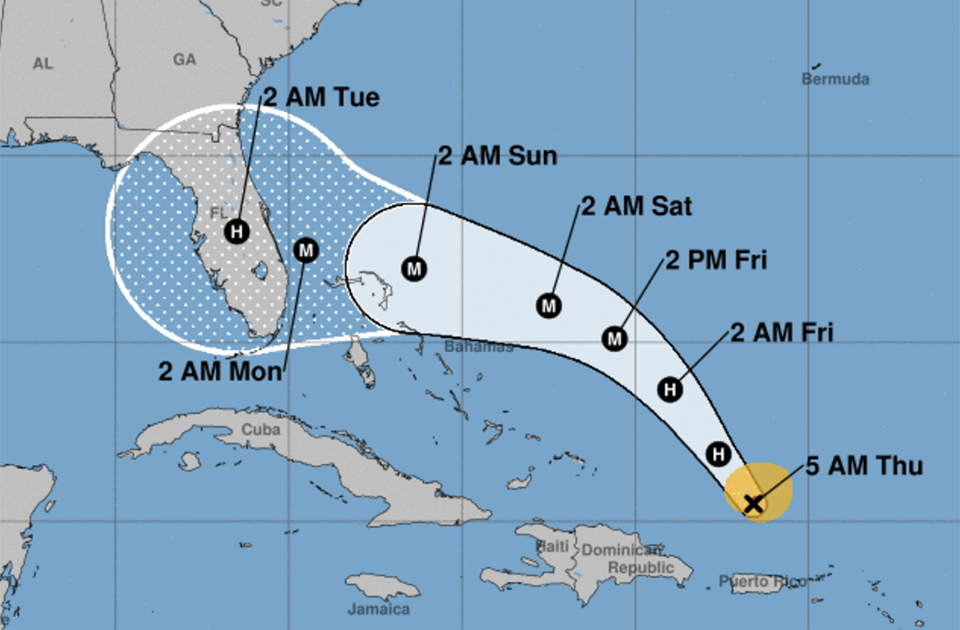
Hurricane Dorian moved slowly over the northern Caribbean. It reached Category 5 strength at its peak. Nevis was near the edge of the storm’s strongest winds. This position helped reduce the impact.
- The storm approached from the east.
- Winds reached up to 185 miles per hour.
- Nevis experienced heavy rain and gusts.
- The eye of the hurricane passed north of the island.
- Storm surge was lower than feared.
Damage Assessment
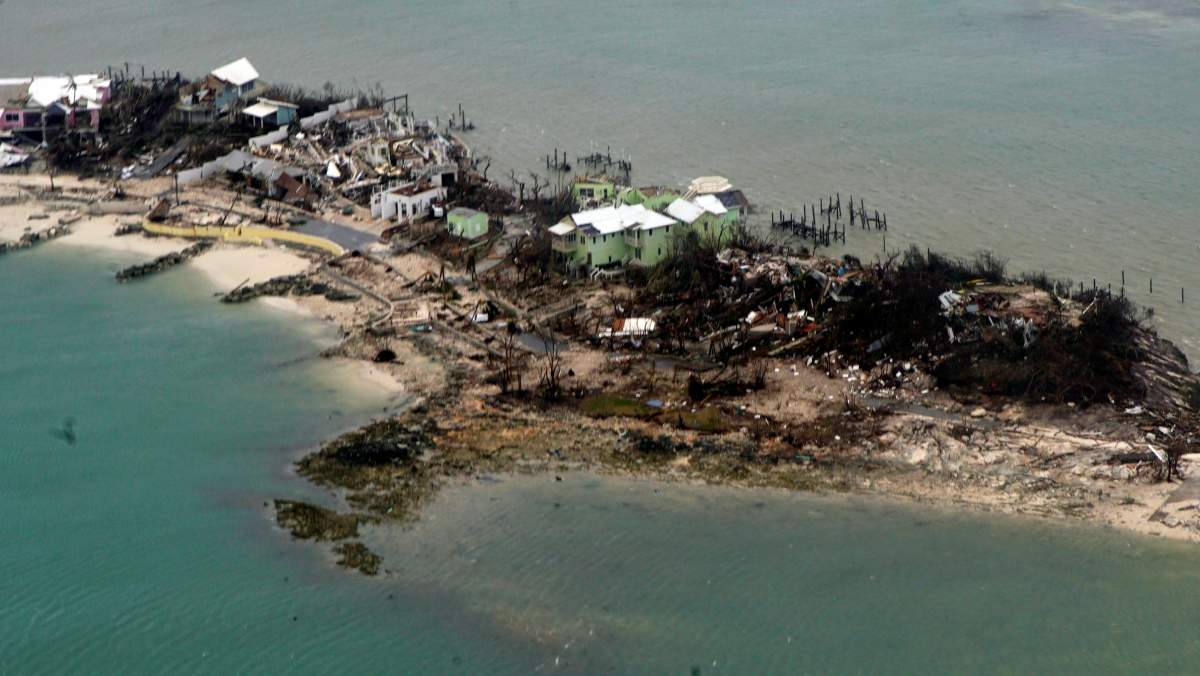
The damage in Nevis was serious but less than expected. Many homes lost roofs or had broken windows. Trees fell and power lines were down. Roads were blocked by debris in some areas.
| Type of Damage | Severity | Areas Affected |
| Roof damage | Moderate | Coastal and central parts |
| Power outages | Widespread | Island-wide |
| Flooding | Minor | Low-lying areas |
| Road blockages | Localized | Mountain and rural roads |
| Fallen trees | Moderate | Throughout the island |
Emergency Response Efforts
Hurricane Dorian hit Nevis with strong winds and heavy rain. The island faced many challenges during the storm.
The response efforts helped Nevis survive the disaster. Quick actions saved lives and reduced damage.
Local Government Actions
The local government acted fast to prepare for the hurricane. They shared warnings and evacuation orders with the public.
Emergency shelters opened early. Officials worked with police and fire teams to protect people and property.
- Issued clear weather alerts
- Set up emergency shelters
- Organized search and rescue teams
- Coordinated with health services
- Monitored damage after the storm
International Aid And Support
Many countries and organizations sent help to Nevis. They provided food, water, and medical supplies.
Teams of experts arrived to assist with clean-up and rebuilding. Aid helped speed recovery and support locals.
- Delivered emergency food and water
- Sent medical teams and medicines
- Provided equipment for debris removal
- Offered financial support for repairs
- Helped rebuild homes and infrastructure
Community Resilience In Action
Hurricane Dorian tested Nevis with strong winds and heavy rain. The island showed strength through its people’s quick actions and care.
The community came together fast. They helped each other to face the damage and start rebuilding.
Neighbor-to-neighbor Support
Neighbors shared food, water, and shelter after the storm. Many checked on elderly and disabled residents to make sure they were safe.
- Sharing resources like food and clean water
- Helping clear debris from homes and roads
- Providing temporary shelter for those who lost homes
- Listening and offering emotional support
Rebuilding Together
After the storm, the community worked side by side to repair homes and public buildings. Local groups and volunteers organized rebuilding projects.
| Rebuilding Activity | Who Led | Impact |
| Roof repairs | Local builders | Protected homes from rain |
| Clearing roads | Community volunteers | Restored access for emergency help |
| Restoring electricity | Utility workers | Returned power to homes quickly |
| Cleaning public spaces | Residents | Made the town safe and clean |
Infrastructure Strengthening Post-dorian
Hurricane Dorian caused heavy damage to Nevis. The island took steps to build stronger infrastructure. These efforts aim to protect homes and businesses from future storms.
Officials and builders worked together to improve safety standards. They focused on better building codes and disaster plans. These changes help Nevis face new hurricanes more safely.
Improved Building Codes
Nevis updated its building codes after Dorian. New rules require stronger materials and designs. Buildings must now resist high winds and heavy rain better than before.
- Use of reinforced concrete and steel frames
- Stronger roof attachments and materials
- Elevated structures to avoid flood damage
- Secure windows with impact-resistant glass
- Regular inspections to ensure code compliance
Enhanced Disaster Preparedness
Nevis improved its disaster plans to reduce risks. Emergency services trained for faster response. Communities received better education on how to stay safe.
| Preparedness Action | Details |
| Early Warning Systems | Improved alerts via radio and mobile phones |
| Evacuation Plans | Clear routes and shelters mapped and maintained |
| Community Training | Workshops and drills held regularly |
| Resource Stockpiling | Supplies like water, food, and medicine stored |

Credit: www.caribjournal.com
Lessons Learned From Nevis
Hurricane Dorian brought strong winds and heavy rain to many islands. Nevis faced the storm but managed to survive with less damage than expected. The island’s experience offers valuable lessons for other places prone to natural disasters.
Communities, governments, and aid groups can learn from Nevis to improve disaster preparation and response. These lessons help protect lives and reduce harm in future storms.
Key Takeaways For Disaster Management
Nevis showed the importance of clear plans and quick action before a hurricane hits. The island used its past experiences to prepare well for Dorian.
- Early warnings were shared with all residents to ensure safety.
- Evacuation routes were marked and kept clear.
- Emergency shelters were stocked with food, water, and supplies.
- Communication lines stayed open during the storm.
- Local teams trained for rescue and relief worked efficiently.
These steps helped reduce injuries and damage. Regular drills and community education also made people ready to act fast.
Inspiring Stories Of Survival
Many residents of Nevis showed courage and kindness during Hurricane Dorian. Their actions highlight the power of community in times of crisis.
| Name | Action Taken | Result |
| Maria Johnson | Helped neighbors move to safe shelter | Saved several elderly people from harm |
| David Clarke | Cleared fallen trees blocking roads | Allowed emergency vehicles to pass |
| Community Group | Distributed food and water after the storm | Provided relief to over 100 families |

Credit: www.cbc.ca
Frequently Asked Questions
How Did Nevis Prepare For Hurricane Dorian?
Nevis implemented early evacuation plans and strengthened infrastructure. Authorities issued timely warnings, and residents secured homes. Community coordination minimized damage and ensured safety during Hurricane Dorian.
What Factors Helped Nevis Survive Hurricane Dorian?
Nevis’s geographic location shielded it from the storm’s strongest winds. Effective emergency response and resilient building codes also played key roles in reducing damage and protecting lives.
How Was Nevis’s Infrastructure Affected By Hurricane Dorian?
Nevis experienced minor damage to roads and buildings. Most infrastructure remained intact due to strong construction standards and prompt repairs following the hurricane.
What Role Did Community Efforts Play In Nevis’s Survival?
Community members collaborated on emergency preparedness and recovery efforts. Local volunteers assisted vulnerable populations, ensuring faster relief and a strong, united response to the disaster.
Conclusion
Nevis showed strong resilience during Hurricane Dorian. The island’s preparation and quick action helped protect many lives. Buildings were built to handle strong winds and rain. Communities worked together to face the storm’s challenges. Nature also played a part, with Nevis’s landscape reducing damage.
This event reminds us of the power of teamwork and readiness. Nevis stands as a clear example of facing storms with strength. The island’s experience offers hope and lessons for others too. Survival was not luck but careful planning and unity.