Do High Rise Apartments Survive Hurricanes? Essential Insights
Have you ever wondered if high rise apartments can truly withstand the fury of a hurricane? When powerful winds and heavy rains strike, your safety and peace of mind depend on more than just luck.
Understanding how these towering buildings hold up against nature’s strongest storms is crucial if you live in one or are thinking about moving into one. You’ll discover the facts behind the construction, design, and safety features that determine whether high rise apartments can keep you safe when a hurricane hits.
Keep reading to learn what you need to know to protect yourself and your loved ones.
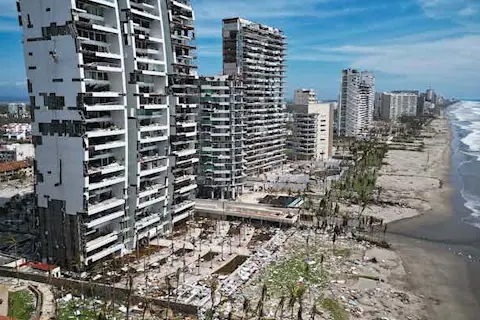
Credit: www.discovermagazine.com
Hurricane Impact On High Rises
High rise apartments face many challenges during hurricanes. These tall buildings must handle strong winds and heavy rain. Understanding how hurricanes affect them helps improve safety.
This article looks at wind forces, flood risks, and debris hazards. Each factor plays a role in how well high rises survive storms.
Wind Forces And Building Stress
Hurricanes bring strong winds that push against tall buildings. The wind pressure can cause the structure to bend or shake. Engineers design high rises to resist this stress.
- Wind speed increases with height.
- Buildings use flexible materials to absorb force.
- Windows and walls are reinforced to avoid breakage.
- Roof shapes reduce wind uplift pressure.
Flood Risks And Water Damage
Flooding can harm lower floors of high rise apartments. Water can enter through doors, windows, and vents. It can damage electrical systems and interiors.
| Flood Risk Area | Common Damage |
| Basement | Electrical failure, mold growth |
| Ground Floor | Furniture damage, wall staining |
| Parking Garage | Vehicle damage, structural weakening |
Debris Hazards During Storms
Flying debris is a major danger in hurricanes. Broken glass, tree branches, and loose objects can hit windows and walls. This causes injury and building damage.
Safety tips to reduce debris hazards:
- Install impact-resistant windows
- Secure outdoor furniture and signs
- Trim trees near the building
- Clear loose objects from balconies

Credit: www.sun-sentinel.com
Structural Design And Safety
High rise apartments face great challenges during hurricanes. Strong winds and flying debris put buildings to the test. Structural design and safety are key to keeping residents safe.
Experts use special materials, engineering standards, and strict building codes. These help high rises survive storms with less damage.
Materials That Withstand Hurricanes
Choosing the right materials is vital. They must resist strong winds, water, and impact from debris. Concrete, steel, and impact-resistant glass are common choices.
- Reinforced concrete provides strength and durability.
- Steel frames offer flexibility and support.
- Impact-resistant windows protect from flying debris.
- Waterproof sealants prevent water leaks.
- Roofing materials are designed to resist uplift forces.
Engineering Standards For High Rises
Engineers follow strict standards to design buildings that resist hurricanes. These standards cover wind loads, structural integrity, and safety margins.
| Engineering Factor | Description |
| Wind Load | Calculates force from hurricane winds on the structure. |
| Structural Redundancy | Ensures backup support if one element fails. |
| Foundation Design | Prevents building movement during storms. |
| Material Strength | Specifies minimum resistance levels for building materials. |
| Safety Margins | Extra design strength to handle unexpected stresses. |
Role Of Building Codes And Regulations
Building codes set legal rules for construction. They ensure safety and quality in hurricane-prone areas. Codes require testing and certification of materials and designs.
- Wind-resistant design for all structural elements
- Impact-resistant windows and doors
- Secure roofing systems with proper anchoring
- Regular inspections during and after construction
- Emergency evacuation plans and safe areas
Preparation Strategies For Residents
High rise apartments face unique challenges during hurricanes. Residents must prepare carefully to stay safe. Knowing what to do before a storm helps reduce risks.
This guide covers key preparation strategies for residents in tall buildings. Focus areas include emergency plans, securing your home, and backup supplies.
Emergency Plans And Evacuation Routes
Residents should know the building’s emergency plan and evacuation routes well before a hurricane arrives. This knowledge helps avoid confusion and danger.
- Locate all emergency exits and stairwells in your building.
- Keep a printed map of evacuation routes in your apartment.
- Practice your evacuation plan with family or roommates.
- Identify nearby shelters or safe locations outside the building.
- Sign up for local emergency alerts and weather updates.
Securing Windows And Doors
Strong winds and flying debris cause most damage during hurricanes. Securing windows and doors helps protect your home and its contents.
| Method | Description |
| Storm Shutters | Install metal or polycarbonate panels to cover windows and doors. |
| Plywood | Use thick plywood boards cut to window size and fasten securely. |
| Window Film | Apply shatter-resistant film to reduce glass breakage. |
| Weather Stripping | Seal gaps around doors and windows to prevent water entry. |
Backup Power And Supplies
Power outages are common in hurricanes. Prepare backup power and supplies to stay comfortable and safe.
Keep these items ready before the storm:
- Battery-powered or hand-crank radio
- Flashlights with extra batteries
- Portable phone chargers or power banks
- Non-perishable food and bottled water (3 days supply)
- First aid kit and necessary medications
- Cash in small bills
Credit: www.miamiherald.com
Post-hurricane Recovery
High rise apartments can face serious challenges after a hurricane. Recovery involves many steps to make buildings safe and livable again. This process takes time and cooperation.
Residents, owners, and local groups all play a part in rebuilding after the storm. Understanding key recovery areas helps the community move forward.
Assessing Damage And Repairs
Inspecting damage quickly is important to know what repairs are needed. Experts look at the structure, windows, and electrical systems. Safety is the top priority.
Repairs can range from fixing broken glass to restoring power and plumbing. Some damage may need specialists to ensure the building meets safety codes.
- Check the building’s foundation and walls
- Inspect windows, doors, and balconies
- Assess electrical and plumbing systems
- Fix leaks and water damage
- Clear debris from common areas
Insurance Claims And Coverage
Insurance helps cover the cost of hurricane damage. Residents and building owners should file claims as soon as possible. Documentation of damage is very important.
Policies differ, so knowing what is covered saves time and confusion. Some repairs may not be fully covered and require out-of-pocket costs.
- Take photos and videos of all damage
- Keep receipts for temporary repairs
- Contact your insurance agent early
- Understand your policy limits and exclusions
- Get professional estimates for repair costs
Community Support And Resources
Community groups often provide help after hurricanes. They offer resources like food, shelter, and repair advice. Local government may also assist with recovery efforts.
Connecting with neighbors and support groups can make recovery easier. Sharing information helps everyone rebuild faster and safer.
- Find local shelters and aid centers
- Join neighborhood meetings or online groups
- Use government disaster assistance programs
- Volunteer to help clean and repair
- Stay updated on recovery news and alerts
Case Studies Of High Rise Performance
High rise apartments face great challenges during hurricanes. Their design and materials affect how well they stand strong. This article looks at real cases of high rises that faced big storms.
We study some buildings that survived well and others that failed. Lessons from these cases help improve future building safety in hurricane zones.
Notable Surviving Buildings
Some high rises survived major hurricanes with little damage. These buildings used strong materials and smart designs. For example, buildings with impact-resistant glass and reinforced concrete performed well.
- One tower in Miami had no glass breakage during Hurricane Irma.
- A building in Houston stayed safe in Hurricane Harvey due to flood-proof lower floors.
- In New Orleans, a high rise built after Katrina showed strong wind resistance.
Failures And Lessons Learned
Some buildings suffered heavy damage or collapse. These failures reveal weak points in design or materials. Many failures happened due to poor window protection or water damage in lower floors.
| Failure Cause | Impact on Building | Lesson Learned |
|---|---|---|
| Broken windows | Wind and water entered, causing interior damage | Use impact-resistant glass and shutters |
| Flooded lower floors | Structural weakening and mold growth | Elevate critical systems and seal walls |
| Roof damage | Loss of waterproofing and further leaks | Secure roofing materials and regular inspections |
Frequently Asked Questions
Do High Rise Apartments Withstand Hurricane Winds?
High rise apartments are designed with strong materials to resist hurricane winds. Their reinforced structures and aerodynamic shapes help minimize wind damage during storms.
Are Windows In High Rise Buildings Hurricane-proof?
Many high rise buildings use impact-resistant glass or shutters. These features protect windows from breaking due to flying debris in hurricanes.
How Safe Are High Rise Apartments During Flooding?
High rises often have elevated electrical systems and flood barriers. However, lower floors may still be vulnerable to floodwaters during hurricanes.
What Emergency Measures Protect High Rise Residents In Hurricanes?
High rise buildings have evacuation plans, backup power, and storm shelters. These measures ensure resident safety during hurricane emergencies.
Conclusion
High rise apartments often have strong designs to face hurricanes. Builders use tough materials and special windows to resist wind and rain. Still, no building is completely safe from nature’s power. Residents should prepare and follow safety rules during storms.
Knowing the building’s safety features helps people feel more secure. Living in tall buildings can be safe if proper steps are taken. Stay informed and ready to protect yourself and your family. Safety matters most when storms approach.