How Do Box Turtles Survive Cold Weather: Survival Secrets Revealed
Ever wondered how box turtles manage to survive the chilly grip of winter? These intriguing creatures have developed remarkable strategies to endure cold weather, sparking curiosity and admiration.
If you’re fascinated by nature’s resilience, you’re in for a treat. You’ll uncover the secrets behind the box turtle’s survival tactics during the frosty months. Prepare to be amazed as you learn how these small reptiles become masters of adaptation, ensuring their survival against the odds.
Keep reading to discover the science and wonder behind their winter survival skills, and gain a newfound appreciation for these remarkable animals.
Box Turtle Habitat And Climate
Box turtles live in many places across North America. They need habitats with moist soil and plenty of plants.
These turtles face cold weather by using their environment well. Their survival depends on the habitat and climate.
Natural Range And Environment
Box turtles live mostly in forests, grasslands, and near streams. They like areas with leaves and logs to hide under.
Their natural range covers the eastern and central United States. They prefer places with warm summers and mild winters.
- Forests with thick underbrush
- Fields and meadows with tall grass
- Near ponds, streams, or wetlands
- Places with loose soil for digging
Seasonal Weather Patterns
Box turtles experience cold winters where temperatures can drop below freezing. They slow down during this time.
In cold weather, box turtles burrow underground or under leaf litter. This protects them from freezing and helps them survive.
- Hibernation happens in late fall to early spring
- Turtles stay below frost line in burrows
- They reduce body functions to save energy
- Moist soil prevents dehydration during winter

Credit: www.discovermagazine.com
Behavioral Adaptations
Box turtles face cold weather by changing their behavior. These changes help them survive winter safely.
They slow down their body functions and find safe places to stay warm during cold months.
Hibernation Habits
Box turtles hibernate to survive winter cold. They enter a deep sleep where their heart rate slows.
During hibernation, they do not eat or move much. This helps them save energy.
Burrowing Techniques
Box turtles dig into the soil or leaf litter to stay warm. They use their strong legs to burrow.
Burrowing protects them from cold air and predators. It also keeps their body temperature steady.
- Dig 6 to 12 inches deep
- Use front legs to move soil
- Create a small cavity to rest in
- Cover themselves with leaves or dirt
Site Selection For Overwintering
Box turtles choose safe spots to hibernate. These places stay cool but not freezing.
Good sites have soft soil, leaf cover, and protection from wind. Turtles avoid wet or flooded areas.
- Under logs or fallen leaves
- In loose, dry soil
- Near tree roots for shelter
- Away from water that may flood
Physiological Changes
Box turtles survive cold weather by changing their body functions. These changes help them stay alive during winter.
Their bodies slow down to save energy. This helps them handle cold temperatures without damage.
Metabolic Rate Reduction
Box turtles lower their metabolic rate in cold weather. This means they use less energy to stay alive.
By slowing their metabolism, turtles can survive long periods without food. They stay in a state similar to sleep.
Temperature Regulation
Box turtles cannot make their own heat. Instead, they find warm spots to keep their body temperature steady.
Their shells help protect them from freezing. They burrow into soil or leaves to stay warm during cold times.
Oxygen Consumption During Cold
Box turtles reduce how much oxygen they need in cold weather. Their breathing and heart rate slow down a lot.
This low oxygen use helps turtles survive in places with little air, like underground burrows.
Survival Challenges In Winter
Box turtles face many problems when winter arrives. Cold weather makes it hard for them to stay alive.
They must find ways to protect themselves from cold, lack of food, and predators.
Predator Threats
Winter slows down box turtles, making them easy targets. Many animals hunt them when they are less active.
Predators like raccoons, foxes, and birds search for turtles in their hiding spots.
- Slow movement increases risk of attack
- Turtles hide under leaves or soil for safety
- Strong shells help protect against bites
Frost And Freezing Risks
Box turtles can get hurt by frost and freezing temperatures. Their bodies do not work well in the cold.
They dig underground to stay warm and avoid ice forming inside their bodies.
- Burrowing helps keep body temperature stable
- Ice crystals can damage cells and organs
- Turtles enter a deep sleep to save energy
Food Scarcity
Food is hard to find during winter. Plants die back and insects hide, so turtles have less to eat.
Box turtles eat less and use stored fat to survive until spring.
- Limited plant and insect availability
- Reduced activity lowers energy needs
- Stored fat is crucial for survival
Human Impact On Winter Survival
Box turtles rely on cold weather to enter a state of dormancy. This helps them survive the winter months. Human actions can change their ability to survive cold weather.
Understanding how people affect box turtles helps us protect them better. Below are key areas where human impact plays a role.
Habitat Disruption
Humans often destroy or change the places where box turtles live. Building roads, homes, and farms can break up their habitats. This makes it hard for turtles to find safe spots to hibernate.
- Clearing forests removes hiding places and shelter.
- Soil compaction from vehicles harms burrowing sites.
- Pollution can reduce the quality of the habitat.
Climate Change Effects
Climate change shifts temperatures and weather patterns. Box turtles depend on cold winters to slow their metabolism. Warmer winters can confuse their natural cycles and reduce survival rates.
| Effect | Impact on Box Turtles |
| Mild Winters | Turtles may wake too early and use energy fast. |
| Unstable Weather | Freezing and thawing can harm hibernating turtles. |
| Less Snow Cover | Reduces insulation, exposing turtles to cold stress. |
Conservation Efforts
Many groups work to help box turtles survive winter. They protect habitats and raise awareness. People can join these efforts to support turtles.
Ways to help box turtles during winter:
- Leave natural areas undisturbed in fall and winter.
- Support habitat restoration projects.
- Educate others about the importance of turtle conservation.
- Reduce pollution and limit pesticide use near turtle habitats.

Credit: en.wikipedia.org
Tips For Helping Box Turtles In Cold Weather
Box turtles need special care during cold months. They hibernate to survive winter. Helping them find safe places is important.
Here are simple ways to protect box turtles from harsh cold. These tips support their natural habits and safety.
Creating Safe Hibernation Spots
Box turtles dig into leaf litter or soil to hibernate. You can create safe spots by leaving natural debris undisturbed.
- Keep leaf piles and logs in quiet areas
- Do not remove natural ground cover in fall
- Provide shaded, moist soil for digging
- Avoid using chemicals near hibernation sites
Avoiding Disturbance
Disturbing hibernating turtles can cause harm. They use little energy and cannot move fast in cold weather.
Check this table to see what actions to avoid during winter months.
| Action | Effect on Turtles |
| Digging up hibernation spots | Breaks skin and wastes energy |
| Moving turtles in cold | Causes stress and injury risk |
| Loud noises near sites | Disturbs sleep and safety |
| Clearing leaves and logs | Removes shelter and warmth |
Supporting Local Conservation
Local groups work to protect box turtles and their habitats. You can support them by spreading awareness and following guidelines.
Tips for supporting conservation:
- Join local wildlife groups
- Report injured or stranded turtles
- Follow community rules on habitat protection
- Plant native trees and shrubs
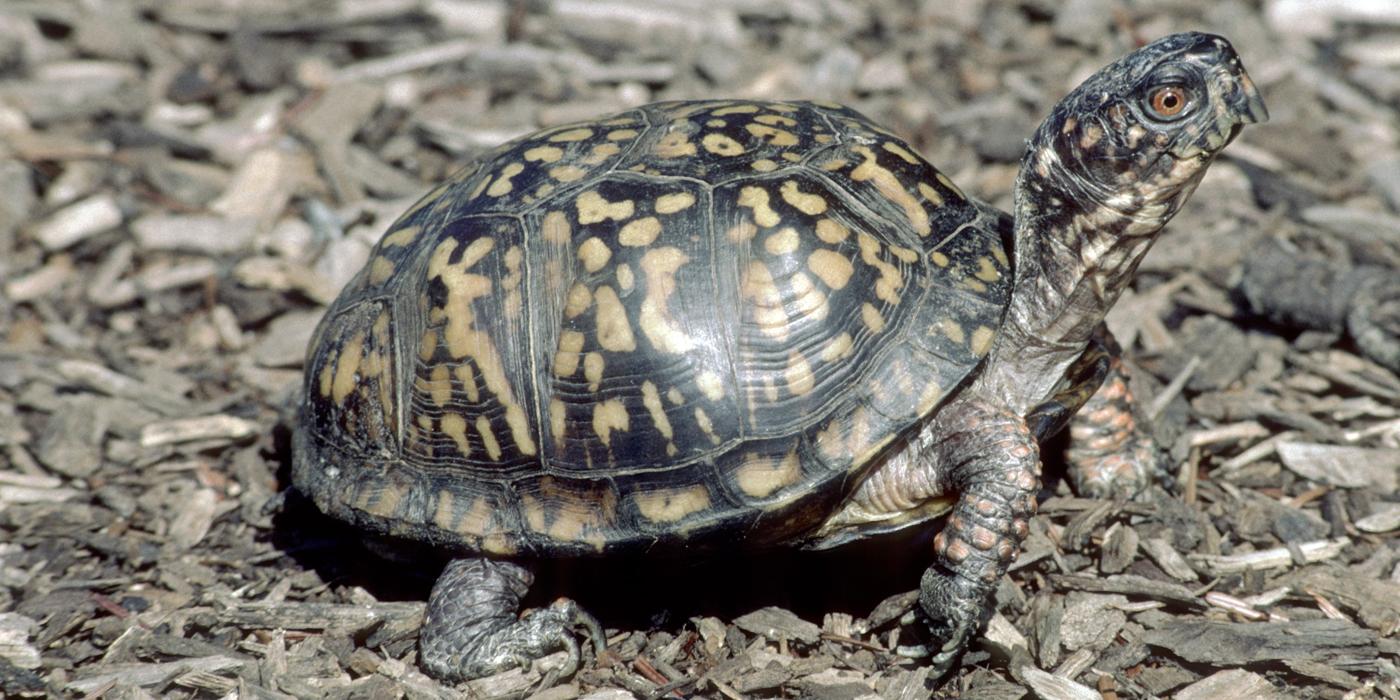
Credit: nationalzoo.si.edu
Frequently Asked Questions
How Do Box Turtles Prepare For Cold Weather?
Box turtles slow their metabolism and eat less before winter. They seek safe, insulated burrows or leaf litter to protect against freezing temperatures.
Where Do Box Turtles Hibernate During Winter?
Box turtles hibernate underground, often in burrows or under logs. These spots provide stable temperatures and moisture, helping them survive cold months.
What Happens To Box Turtles’ Body Functions In Winter?
During hibernation, box turtles’ heart rate and breathing slow significantly. Their body functions reduce to conserve energy until warmer weather returns.
Can Box Turtles Survive Freezing Temperatures?
Box turtles can tolerate near-freezing but not prolonged freezing. They avoid freezing by staying in insulated burrows with stable, above-freezing conditions.
Conclusion
Box turtles stay safe in cold weather by slowing down a lot. They dig into the soil or hide under leaves to stay warm. Their bodies use less energy and keep water inside. This helps them survive freezing temperatures without harm.
Nature gave them smart ways to handle winter’s cold. Watching how they live shows how strong and clever animals can be. Cold weather is tough, but box turtles manage well. Their survival skills are simple but very effective.