What Kind of Bamboo Can Survive Cold Weather: Top Hardy Varieties
Are you dreaming of a lush bamboo garden but worried about those chilly winter months? You’re not alone.
Many bamboo enthusiasts face the challenge of finding the right species that can brave the cold without losing their vibrant appeal. Imagine a garden that stays green and lively, even when the temperature drops. Intrigued? You’ll discover the secret to choosing the right kind of bamboo that not only survives but thrives in cold weather.
Get ready to transform your outdoor space into a winter wonderland of resilience and beauty. Keep reading to find out how you can achieve this and ensure your bamboo remains the star of your garden all year round.
Cold Hardy Bamboo Basics
Bamboo is a fast-growing plant known for its beauty and strength. Some types of bamboo can live in cold weather. These kinds are called cold hardy bamboo.
Cold hardy bamboo can survive freezing temperatures and still grow well. They make great plants for gardens in cool places.
Characteristics Of Cold Hardy Bamboo
Cold hardy bamboo has special features that help it live in cold climates. These traits protect the plant and let it stay green all year.
- Thick, waxy leaves to keep moisture inside
- Strong roots that resist frost
- Flexible stems that bend in snow and wind
- Ability to go dormant during the coldest months
- Slow growth in winter, faster in spring and summer
How Bamboo Adapts To Cold Climates
Bamboo changes how it grows to handle cold weather. It uses smart ways to survive freezing and snow.
| Adaptation | How It Helps Bamboo |
| Leaf coating | Prevents water loss and frost damage |
| Root depth | Keeps roots safe under frozen soil |
| Stem flexibility | Stops breaking from heavy snow |
| Dormancy | Stops growth to save energy in winter |
Top Bamboo Species For Cold Weather
Bamboo is a fast-growing plant that can add beauty to any garden. Some bamboo types survive cold weather well. Choosing the right bamboo helps your garden stay green in winter.
Cold-hardy bamboos come from different groups. Each group has species that can handle frost and low temperatures. Learn about the best bamboo types for cold climates.
Fargesia Varieties
Fargesia bamboos are clumping types known for their cold tolerance. They grow well in temperatures down to -20°F (-29°C). These bamboos do not spread aggressively, making them good for small spaces.
- Fargesia nitida – Strong and dense, ideal for cold zones.
- Fargesia rufa – Grows fast and has bright green leaves.
- Fargesia robusta – Very hardy, withstands harsh winters.
Phyllostachys Varieties
Phyllostachys bamboos are running types. They spread quickly but some species survive cold well. These bamboos can handle temperatures as low as -10°F (-23°C).
- Phyllostachys aureosulcata – Known as yellow groove bamboo, very cold hardy.
- Phyllostachys bissetii – Dense and tough, tolerates cold climates.
- Phyllostachys nuda – Thrives in cold and shady areas.
Bambusa Varieties
Bambusa bamboos are mostly tropical but some types can tolerate mild cold. They do best in areas where winter temperatures do not drop below 20°F (-6°C).
- Bambusa ventricosa – Also called Buddha belly bamboo, tolerates light frost.
- Bambusa multiplex – Clumping bamboo that can handle cooler weather.
- Bambusa oldhamii – Large bamboo that survives mild winters.
Fargesia: Clumping Bamboo For Cold Regions
Fargesia is a type of clumping bamboo that grows well in cold areas. It does not spread quickly like running bamboo.
This bamboo stays compact and can survive winter temperatures below freezing. It is a good choice for gardens in cold climates.
Fargesia Rufa
Fargesia Rufa is a hardy bamboo that can handle cold winters. It grows in tight clumps and reaches about 6 to 10 feet tall.
This bamboo has bright green leaves and is very dense. It is good for privacy screens and windbreaks.
- Cold tolerance down to -20°F (-29°C)
- Slow to moderate growth rate
- Needs partial shade or filtered sunlight
Fargesia Nitida
Fargesia Nitida is known as the “Blue Fountain” bamboo. It grows tall, around 10 to 15 feet, with blue-green canes.
This bamboo thrives in cold weather and prefers moist soil. It forms dense clumps that are great for privacy.
- Can survive temperatures as low as -15°F (-26°C)
- Fast growth in spring and summer
- Needs shade or partial sun
Fargesia Murielae
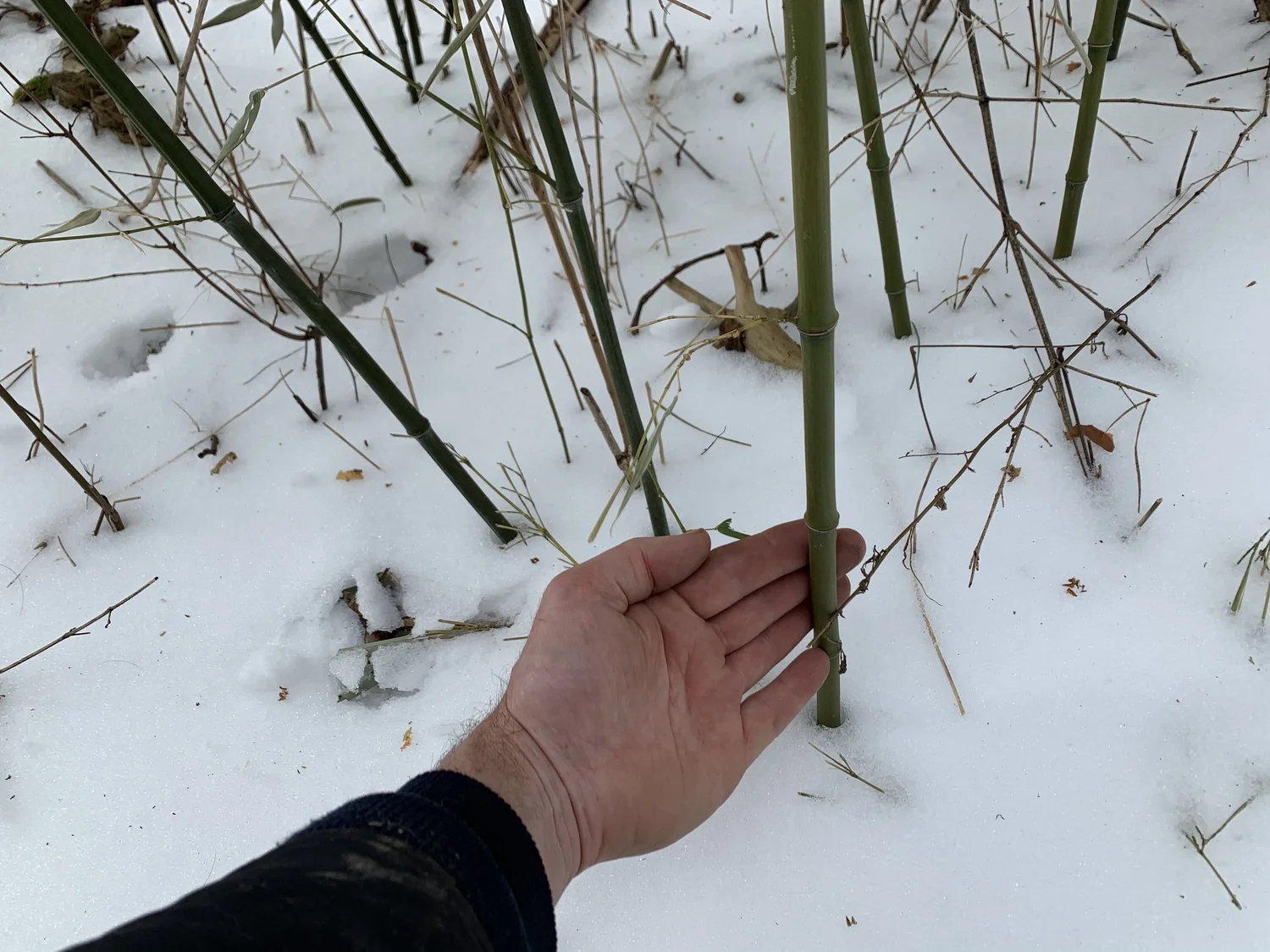
Fargesia Murielae is a popular clumping bamboo for cold climates. It grows 8 to 12 feet tall and has slender green canes.
This bamboo is very cold hardy and can survive harsh winters. It prefers shaded areas and well-drained soil.
- Cold hardiness to -20°F (-29°C)
- Slow to medium growth rate
- Leaves turn yellow in winter and regrow in spring
Credit: www.edibleacres.org
Phyllostachys: Running Bamboo That Withstands Frost
Phyllostachys is a type of running bamboo known for its strength. Many species in this group can survive cold weather and frost.
This bamboo grows fast and spreads underground. It is a good choice for cold climates where other bamboos may die.
Phyllostachys Aureosulcata
Phyllostachys aureosulcata is a tough bamboo that can handle cold winters. It often survives temperatures as low as -10°F (-23°C).
This bamboo has yellow-green canes with green stripes. It grows tall and is good for windbreaks or privacy screens.
- Cold hardy to -10°F (-23°C)
- Can grow up to 30 feet tall
- Yellow canes with green stripes
Phyllostachys Nuda
Phyllostachys nuda is another running bamboo that tolerates frost well. It can survive cold temperatures near -5°F (-21°C).
This species has straight green canes and grows quickly. It is a great choice for gardeners in cold areas.
- Cold hardy to -5°F (-21°C)
- Green, straight canes
- Fast growth rate
Phyllostachys Bissetii
Phyllostachys bissetii is known for its strong resistance to cold and drought. It can survive temperatures down to -5°F (-21°C).
This bamboo has dark green canes and dense foliage. It is a good choice for cold climates needing hardy bamboo.
- Cold hardy to -5°F (-21°C)
- Dark green canes
- Dense, thick foliage
Bambusa Species With Some Cold Tolerance
Bamboo can add beauty and greenery to many gardens. Some bamboo types handle cold better than others. Bambusa species have some cold tolerance, making them good choices for cooler climates.
This guide covers two Bambusa species that survive cold weather well. Learn about their features and how they grow in lower temperatures.
Bambusa Oldhamii
Bambusa Oldhamii, also called Oldham’s bamboo, is a tall bamboo that grows well in mild cold. It can survive temperatures down to about 20°F (-6°C). This bamboo has thick, green culms and grows fast.
- Height: Up to 50 feet (15 meters)
- Cold tolerance: Down to 20°F (-6°C)
- Growth rate: Fast
- Use: Privacy screens and windbreaks
- Appearance: Thick green stalks with a smooth surface
Bambusa Oldhamii prefers well-drained soil and full sun to part shade. It is a clumping bamboo, so it does not spread aggressively.
Bambusa Multiplex
Bambusa Multiplex is a smaller bamboo with good cold tolerance. It can handle temperatures near 15°F (-9°C) if protected. This species has many thin, tall stalks that grow close together.
| Feature | Details |
| Height | 15 to 25 feet (4.5 to 7.5 meters) |
| Cold Tolerance | About 15°F (-9°C) |
| Growth Pattern | Clumping, dense |
| Preferred Soil | Well-drained, moist |
| Sunlight | Full sun to partial shade |
Bambusa Multiplex works well for small gardens and hedges. It grows in tight clumps and offers good winter protection.
Planting Tips For Cold Hardy Bamboo
Cold hardy bamboo can survive freezing temperatures. It adds green beauty even in cold climates. Choosing and caring for the right bamboo helps it grow well.
Proper planting and protection keep bamboo healthy during winter. Use these tips for best results with cold hardy bamboo.
Choosing The Right Location
Select a spot that gets sunlight but is shielded from harsh winds. Bamboo grows best with some morning sun and afternoon shade.
A protected area helps bamboo avoid frost damage. Avoid low spots where cold air settles and freezes plants more.
- Choose a place with partial sun
- Protect from strong, cold winds
- Avoid frost pockets or valleys
Soil And Drainage Requirements
Bamboo prefers well-drained soil that is rich and fertile. Water should not stay around roots or cause soggy soil.
Amend heavy clay soils with compost or sand to improve drainage. Good soil helps bamboo roots grow strong and healthy.
- Use loose, well-drained soil
- Add organic matter for nutrients
- Ensure water drains away from roots
Winter Protection Strategies
Protect bamboo from freezing by mulching and covering it. Mulch keeps roots warm and moist during cold months.
Use burlap or frost cloth to shield bamboo from harsh winds and ice. Remove coverings in spring to avoid mold growth.
- Apply thick mulch around base
- Cover with burlap or frost cloth
- Remove covers after winter ends
Maintenance For Bamboo In Cold Climates
Bamboo can survive cold weather with the right care. Some types of bamboo handle cold better than others.
Proper maintenance helps bamboo stay healthy during winter. This includes watering, pruning, and handling snow.
Watering Needs In Winter
Bamboo needs less water in cold months but does not stop needing it. Water only when soil is dry.
Check soil moisture regularly. Water deeply to reach roots but avoid waterlogging the soil.
- Water once every 1-2 weeks if no rain falls
- Use lukewarm water to avoid shocking the roots
- Water early in the day to prevent freezing
Pruning And Thinning
Prune dead or weak bamboo stalks before winter sets in. This helps the plant focus energy on strong canes.
Thinning allows better air flow and reduces disease risk. Remove crowded stalks carefully to avoid damage.
- Cut dry or broken stalks near the base
- Thin areas with too many stalks
- Use clean, sharp tools to avoid infection
Dealing With Snow And Ice
Snow and ice can break bamboo stalks. Gently shake off heavy snow to prevent damage.
Do not use salt or chemicals to melt ice near bamboo. They can harm the roots and soil.
- Brush snow off bamboo gently with a broom
- Support weak or bending stalks with stakes
- Protect roots with mulch to keep soil warm

Credit: www.gardeningknowhow.com
Common Challenges And Solutions
Bamboo is a strong plant but faces problems in cold weather. Some types of bamboo can survive frost and snow better than others. Growing bamboo in cold places needs care and attention.
This guide covers common challenges with bamboo in cold weather. It also shows ways to keep bamboo healthy and controlled.
Pest And Disease Control
Bamboo can get pests like mites and aphids. Diseases like leaf rust may appear in damp conditions. These problems weaken bamboo and slow growth.
- Check bamboo leaves and stems often for bugs.
- Use natural sprays such as neem oil to control pests.
- Remove dead or infected bamboo parts quickly.
- Keep the area around bamboo clean and dry.
Preventing Bamboo Kill By Frost
Cold can kill bamboo if not protected. Some bamboo types like Fargesia and Phyllostachys tolerate cold better. Still, frost can harm young shoots and roots.
| Protection Method | Details |
| Mulching | Cover bamboo roots with straw or leaves to keep warmth. |
| Wrap Bamboo | Use burlap or frost cloth around bamboo in winter. |
| Choose Cold-Hardy Species | Grow types known to survive below freezing. |
| Water Before Frost | Keep soil moist to reduce freeze damage. |
Managing Bamboo Spread
Bamboo spreads fast and can take over gardens. Controlling its growth is important to avoid damage to other plants and property.
- Install root barriers underground to stop rhizomes.
- Trim new shoots to limit spread.
- Regularly dig around bamboo clumps to remove unwanted shoots.
- Plant bamboo in pots or containers if space is limited.
Credit: www.gardeningknowhow.com
Frequently Asked Questions
What Bamboo Species Tolerate Freezing Temperatures?
Phyllostachys nuda and Fargesia robusta are cold-hardy bamboos. They survive temperatures as low as -20°F (-29°C). These species are ideal for cold climates and maintain their green foliage during winter.
Can Bamboo Survive Frost And Snow?
Yes, some bamboo varieties tolerate frost and snow. Clumping types like Fargesia are more cold-resistant. Proper mulching helps protect roots from freezing damage.
How To Protect Bamboo In Cold Weather?
Mulch around the base to insulate roots. Water bamboo before the ground freezes. Avoid pruning late in the season to prevent damage.
Is Bamboo Evergreen In Cold Climates?
Cold-hardy bamboos are mostly evergreen. They keep their leaves through winter, providing year-round greenery. However, some species may lose a few leaves in extreme cold.
Conclusion
Cold-hardy bamboo types offer beauty even in freezing weather. These plants grow strong in chilly zones. Choose varieties like Fargesia or Phyllostachys for best results. They survive frost and snow with ease. Planting the right bamboo brings green life year-round.
Enjoy a peaceful, natural look in your garden. Remember to water and protect young plants well. With care, bamboo thrives through cold winters. A smart choice for cold climates and bamboo lovers alike.