Can Sailboats Survive a Hurricane? Shocking Truth Revealed
Have you ever wondered if your sailboat could withstand the fury of a hurricane? The idea of being out on the open sea during such a powerful storm can be terrifying.
Yet, understanding how sailboats are designed to handle these natural forces can give you peace of mind. We’ll explore whether sailboats can survive a hurricane, shedding light on the technology and strategies that can help keep you and your vessel safe.
By the end, you’ll know exactly what precautions to take and whether your sailboat is truly hurricane-ready. Keep reading to arm yourself with the knowledge that could make all the difference during hurricane season.

Credit: www.isabellayachtsphuket.com
Sailboat Design And Storm Resilience
Sailboats face many challenges during hurricanes. Their design plays a big role in surviving strong storms. Builders focus on strength and stability to protect boats.
Storm resilience depends on several parts of the sailboat. The hull, keel, and rigging all must work together to handle heavy winds and waves.
Hull Strength And Materials
The hull is the main body of the sailboat. It must be strong to resist damage from waves and debris. Many hulls use tough materials like fiberglass or aluminum.
Fiberglass hulls offer good strength and flexibility. Aluminum hulls are lighter but very durable. Some boats use reinforced composites for extra protection.
- Fiberglass: strong and slightly flexible
- Aluminum: lightweight and tough
- Composite: reinforced for high impact resistance
Keel And Stability Features
The keel helps keep the sailboat balanced in rough waters. A deep, heavy keel improves stability and reduces rolling. This helps the boat stay upright during storms.
Some keels are fixed, adding weight low in the boat. Others are retractable but less stable. Sailboats built for storm conditions usually have strong, deep keels.
- Deep keel adds weight and stability
- Fixed keels offer better storm resistance
- Retractable keels are less stable in heavy seas
Rigging And Mast Durability
Rigging holds the mast and sails in place. It must be strong to handle high winds. Thick cables and solid fittings reduce the chance of failure.
The mast should be made of durable materials like aluminum or carbon fiber. It needs to bend slightly without breaking during gusts. Proper rigging and mast care improve storm survival.
- Strong cables prevent rigging failure
- Aluminum masts offer strength and flexibility
- Carbon fiber masts are light and durable

Credit: www.youtube.com
Hurricane Forces On Sailboats
Sailboats face many dangers during hurricanes. Strong winds and huge waves put them at great risk.
Understanding these forces helps sailors prepare and protect their boats better.
Wind Speeds And Impact
Hurricane winds can reach over 74 miles per hour. These strong gusts can damage sails and masts.
Wind pressure can push sailboats off course or capsize them if not secured well.
- High winds strain the rigging and sails
- Strong gusts can break masts
- Wind can push boats into shallow waters
Wave Height And Water Pressure
Hurricanes create waves as tall as 50 feet. These waves hit boats with great force.
Water pressure from waves can damage the hull and flood the boat.
- Big waves can capsize small sailboats
- Pressure can crack or break hulls
- Water flooding causes loss of control
Debris And Collision Risks
Hurricane winds carry floating debris like logs and wreckage. These objects can hit sailboats hard.
Collisions can cause holes or severe damage, risking sinking or loss of control.
- Debris can puncture the hull
- Collisions can break rudders or keels
- Floating objects increase risk of accidents
Real-life Hurricane Encounters
Sailboats face great risks during hurricanes. Strong winds and huge waves test their strength. Many sailors have shared their experiences surviving these storms.
Studying these real stories helps us understand what can happen to sailboats. It also teaches important lessons for safety and preparation.
Survivor Stories And Case Studies
Some sailors survived hurricanes by taking smart actions. They secured their boats well and found safe spots to ride out the storm.
Case studies show that boats anchored in protected bays or behind breakwaters had better chances of survival. Sailboats caught in open water often faced serious damage.
- A sailor in Hurricane Katrina found shelter in a marina and survived with minor damage.
- During Hurricane Irma, some boats broke loose and were lost at sea.
- Anchoring with multiple anchors helped some vessels stay secure.
Common Damage Patterns
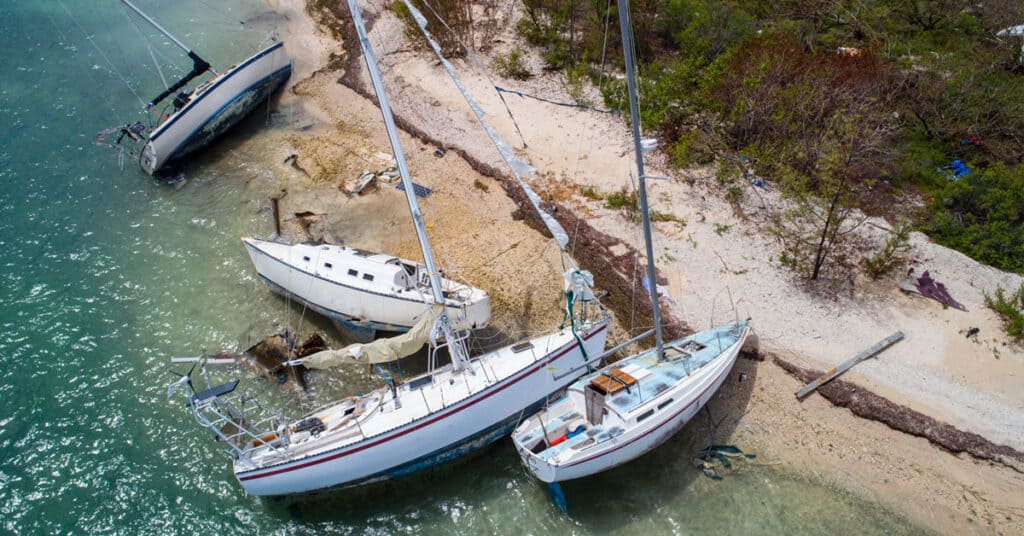
Hurricanes cause several types of damage to sailboats. The most common are broken masts, torn sails, and hull damage.
Many boats suffer from collisions with debris or other boats. Flooding inside the boat is also a frequent problem during heavy rain and waves.
- Masts snapping due to strong winds
- Sails shredded or ripped apart
- Hull cracks from hitting objects
- Damage to rigging and ropes
- Water entering through hatches or leaks
Lessons From Past Storms
Past hurricanes teach sailors to prepare well. Removing sails and securing all loose gear helps reduce damage.
Choosing a safe mooring place and using strong anchors increase survival chances. Staying informed about storm paths also helps in making quick decisions.
- Use multiple anchors for better hold
- Take down sails before the storm
- Secure all loose equipment on deck
- Find protected bays or marinas if possible
- Monitor weather updates continuously
Safety Measures For Sailboat Owners
Sailboats face great risks during hurricanes. Owners must take strong safety steps to protect their vessels and themselves. Preparing early can reduce damage and danger.
This guide covers key safety measures for sailboat owners. Follow these tips to stay safe and secure your boat before a storm hits.
Storm Preparation Tips
Start preparing your sailboat well before the hurricane arrives. Check weather updates daily and gather necessary supplies. Make sure your boat insurance is current and covers storm damage.
- Remove sails and loose gear from the boat
- Check all lines and replace any weak or worn ones
- Secure hatches and windows tightly
- Drain fuel and water tanks to avoid spills
- Store electronics and valuables in waterproof containers
Securing The Vessel
Properly securing your sailboat can prevent it from breaking loose or capsizing. Use strong mooring lines and choose a safe location for the boat.
| Securing Method | Details |
| Double Mooring Lines | Use two lines for extra strength |
| Spring Lines | Attach lines to prevent forward and backward movement |
| Chafe Protection | Place protective covers where lines rub |
| Remove Fenders | Take off fenders to avoid damage from bouncing |
| Check Cleats and Anchors | Inspect and reinforce all points of attachment |
Evacuation And Emergency Plans
Have a clear evacuation plan for yourself and your crew. Know where to go and how to communicate during the emergency.
- Inform family or friends about your evacuation plan
- Prepare an emergency kit with food, water, and medical supplies
- Keep important documents and identification in a waterproof bag
- Charge all communication devices and have backups
- Decide on a safe shelter location away from the storm
Alternatives To Riding Out The Storm
Sailboats face great risks during hurricanes. Staying on the boat can be very dangerous. There are safer choices to protect the boat and crew.
Knowing these options can help sailors prepare and reduce damage. Let’s explore some key alternatives to riding out the storm on a sailboat.
Evacuating The Boat
Leaving the sailboat before the hurricane hits is often the safest choice. Evacuation means moving to a secure place on land.
This option avoids risks like capsizing, collisions, or being stranded at sea. It also protects the crew from injury.
- Plan your evacuation route early
- Secure the boat with strong mooring lines
- Inform local authorities about your plans
- Take emergency supplies and important documents
Using Storm Sails
Storm sails are smaller, stronger sails made for bad weather. They help keep the boat stable and controlled in strong winds.
These sails reduce the risk of damage and help the boat move safely through rough seas. They are useful for sailors who must remain on board.
- Choose storm sails made from tough materials
- Use them to reduce sail area and maintain control
- Practice setting storm sails before a hurricane
- Monitor weather updates to adjust sail use
Seeking Shelter In Harbors
Harbors provide shelter from the worst hurricane conditions. Docking in a protected harbor lowers the chance of damage.
Choose harbors with strong breakwaters and good mooring points. Check harbor rules and availability before the storm arrives.
- Identify safe harbors near your sailing area
- Arrive early to secure a good mooring spot
- Use extra lines to secure your boat tightly
- Remove loose items and secure sails before docking

Credit: www.youtube.com
Frequently Asked Questions
Can Sailboats Withstand Hurricane-force Winds?
Sailboats are generally not built to endure hurricane-force winds. Extreme wind speeds can damage masts, rigging, and hulls. Proper preparation and securing can increase survival chances, but staying in a hurricane’s path is highly risky for sailboats.
How Should Sailboats Be Prepared For A Hurricane?
To prepare, remove sails and secure all loose items. Use strong mooring lines and anchor in a protected area. Double-check bilge pumps and ensure emergency supplies are onboard. Proper preparation reduces damage risk during a hurricane.
Is It Safer To Sail Away Or Stay During A Hurricane?
Sailing away is safer only if you can outrun the storm. Otherwise, finding a secure harbor and properly mooring the boat is best. Avoiding the hurricane path entirely is the safest option for sailboats.
What Damage Can Hurricanes Cause To Sailboats?
Hurricanes can cause mast breakage, hull breaches, and rigging failure. Flooding and severe impact with debris are common. Even docked boats face risks from strong waves and storm surge.
Conclusion
Sailboats face great danger during hurricanes. Strong winds and huge waves can cause severe damage. Only the strongest boats have a chance to survive. Proper preparation and choosing a safe location are key. Many sailors choose to leave the water before storms arrive.
Staying on a sailboat during a hurricane is very risky. Always follow weather warnings and expert advice. Safety should be the top priority for all sailors. Remember, no boat is completely safe in a hurricane. Planning ahead saves lives and boats.