Can Solar Panels Withstand Hail And Survive Hurricanes? Proven Durability!
Are you considering investing in solar panels but worried about how they’ll hold up against Mother Nature’s fiercest tests? When it comes to hailstorms and hurricanes, your concerns are valid.
These natural events can be destructive, and you need to know if your solar panels are up to the challenge. Imagine the peace of mind you’ll have knowing your solar investment is safe and sound, regardless of the weather. We’ll uncover the truth about solar panels’ resilience, so you can make an informed decision and feel confident in your sustainable energy choices.
Keep reading to discover how these panels are designed to weather the storm and keep your home powered, even in the toughest conditions.
Solar Panel Materials
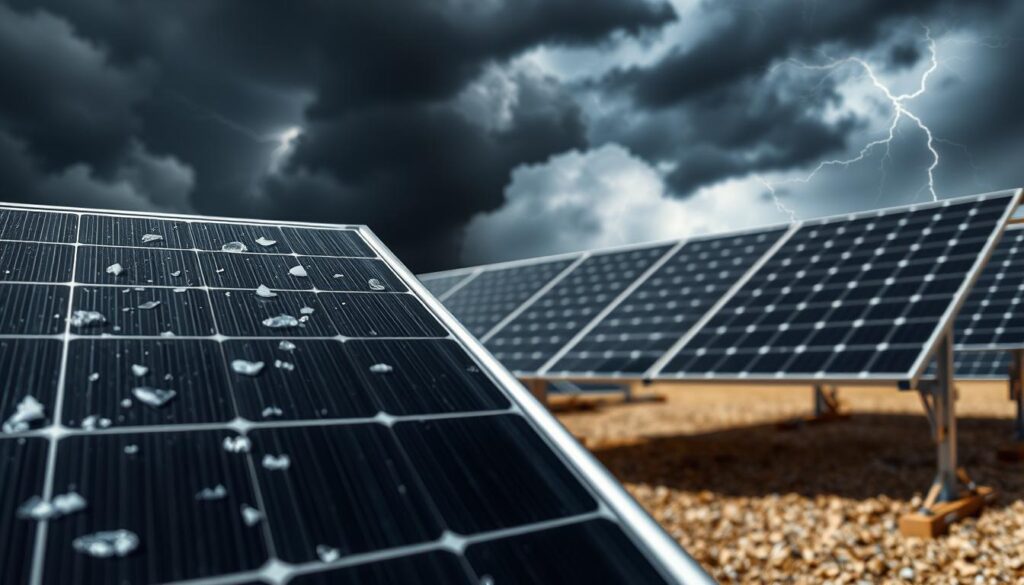
Solar panels face tough weather like hail and hurricanes. Their materials help them stay safe.
Strong materials make solar panels last longer and work well in bad weather.
Tempered Glass Strength
Tempered glass covers the solar cells. It is much stronger than normal glass.
This glass can handle heavy hail and strong wind. It breaks into small pieces, not sharp shards.
- About five times stronger than regular glass
- Resists cracks from hail impacts
- Protects cells from debris during hurricanes
Frame Construction
Frames hold the solar panel parts together. They need to be strong and stable.
Most frames use aluminum because it is light and tough. Good frames keep panels fixed during storms.
- Aluminum resists rust and corrosion
- Frames are designed to handle heavy winds
- Secure mounting helps prevent damage
Protective Coatings
Protective coatings cover the solar panel surface. They help avoid scratches and wear.
These coatings reduce damage from hail and rain. They also protect against UV rays from the sun.
- Scratch-resistant layers prevent marks from hail
- Water-repellent coatings help keep panels dry
- UV protection keeps materials from aging fast
Credit: msmsolarllc.com
Hail Impact Resistance
Solar panels often face harsh weather conditions. One common concern is their ability to resist hail impact. Panels must survive hailstones without damage.
Understanding how solar panels handle hail helps owners protect their investment. This includes knowing testing standards, real damage cases, and design features.
Testing Standards
Manufacturers test solar panels to meet specific hail resistance standards. These tests simulate hail impact to check panel durability.
- Panels are hit with ice balls of different sizes.
- Tests use speeds up to 50 miles per hour.
- Panels must show no cracks or power loss.
- Testing follows industry rules like IEC 61215.
Real-life Hail Damage Cases
Some solar panels have suffered damage in real hailstorms. These cases help improve panel designs and testing methods.
| Location | Hail Size | Damage Type | Panel Response |
| Texas, USA | 1 inch | Minor cracks | Power slightly reduced |
| Colorado, USA | 1.5 inch | Glass breakage | Panel replaced |
| Germany | 0.75 inch | No visible damage | Full function |
Design Features Against Hail
Solar panels include features that improve hail resistance. These features protect the glass and cells from impact.
- Tempered glass is stronger and resists cracks.
- Thicker glass can absorb more impact energy.
- Protective back sheets shield the panel’s internals.
- Frames add rigidity and reduce vibrations.
- Encapsulation helps hold broken pieces together.
Surviving Hurricanes
Hurricanes bring strong winds and heavy rain. Solar panels must be built to survive these storms. Proper design and installation help protect them.
This article explains how wind load ratings, mounting systems, and installation practices improve panel durability during hurricanes.
Wind Load Ratings
Wind load ratings measure how much wind pressure solar panels can handle. Panels with higher ratings resist hurricane-force winds better.
| Wind Speed Category | Wind Pressure (psf) | Panel Rating Needed |
| Category 1 (74-95 mph) | 30-40 | Standard |
| Category 3 (111-129 mph) | 60-75 | High |
| Category 5 (157+ mph) | 90+ | Extra High |
Mounting Systems
Mounting systems keep panels secure on roofs. Strong mounts reduce panel damage during hurricane winds.
- Use heavy-duty metal brackets and rails
- Choose mounts with corrosion-resistant coating
- Secure mounts deep into roof framing
- Allow for panel movement without loosening
Installation Best Practices
Proper installation improves panel survival during storms. Installers must follow codes and use quality materials.
- Inspect roof structure before installation
- Use hurricane-rated fasteners and hardware
- Seal all penetrations to prevent water leaks
- Angle panels to minimize wind uplift
- Test system for stability after installation
Certifications And Ratings
Solar panels face tough weather like hail and hurricanes. Certifications and ratings show if panels can handle these conditions. They help buyers choose strong and safe panels.
These tests follow strict rules to check the panel’s durability. This ensures the panels work well even in bad weather.
Iec Standards
The International Electrotechnical Commission (IEC) sets global standards for solar panels. These standards test panels for impact resistance and weather durability.
IEC 61215 is a key standard for panel design and performance. It includes tests for hail impact and mechanical strength. Panels passing this are proven tough.
- Hail impact test simulates ice balls hitting panels
- Mechanical load test checks panel strength against wind and snow
- Thermal cycling tests panel’s ability to handle temperature changes
Ul Ratings
Underwriters Laboratories (UL) gives safety ratings to solar panels. UL 1703 and UL 61730 are main standards for panel safety and durability.
These ratings include tests for hail impact, fire resistance, and electrical safety. Panels with UL ratings meet strict safety rules in the US.
- Hail test uses ice balls at high speed to check panel damage
- Fire test ensures panels resist flames and heat
- Electrical tests prevent shocks and shorts
Industry Certifications
Besides IEC and UL, other certifications show panel quality. These come from trusted groups and labs worldwide.
Certifications from groups like TUV and CSA prove panels meet extra tests. Some focus on hail resistance, others on wind or fire.
- TUV tests panels for hail impact and mechanical loads
- CSA certification ensures compliance with Canadian standards
- FSEC certification checks panels for Florida’s hurricane conditions
Maintenance And Repairs
Solar panels can face damage from hail and hurricanes. Proper maintenance helps keep them working well. Repairs fix any problems that happen after storms.
Knowing how to inspect damage, repair panels, and prevent future issues is important. This guide explains these key steps.
Damage Inspection
After a storm, check solar panels carefully. Look for cracks, dents, or broken glass. Also, check the mounting and wiring for looseness or breaks.
- Inspect panels for visible cracks or holes
- Check mounts for bending or damage
- Look at wiring for cuts or disconnections
- Watch for dirt or debris blocking sunlight
Repair Options
Minor damage can be fixed without replacing panels. Small cracks can be sealed. Broken mounts can be tightened or swapped. Wiring issues may need professional repair.
| Damage Type | Repair Method | Time Needed |
| Small glass cracks | Seal with clear epoxy | 1-2 hours |
| Loose mounts | Tighten bolts or replace brackets | 1-3 hours |
| Broken wiring | Replace wires or connectors | 2-4 hours |
| Severe panel damage | Replace entire panel | Varies by size |
Preventive Measures
Taking steps before storms helps protect solar panels. Use strong mounts and cover panels if a hurricane is expected. Regular cleaning prevents debris buildup.
- Install impact-resistant solar panels
- Secure mounts with extra bolts
- Trim nearby trees to reduce hail damage
- Use protective covers during extreme weather
- Clean panels regularly to maintain efficiency

Credit: www.solarsmiths.com
Case Studies
Solar panels face tough weather like hail and hurricanes. Many studies show how well they survive these events. Let’s look at real examples.
These case studies help us understand if solar panels keep working after storms. They also show how strong panels are over time.
Hailstorm Survivors
Some solar panels have faced large hailstones and stayed intact. Tests show panels with tempered glass resist hail better. Many homes in hail-prone areas keep their panels without damage.
- Panels tested with hail up to 1 inch in diameter showed no cracks.
- Tempered glass panels often survive hailstorms without losing efficiency.
- Panels installed in Colorado and Texas have recorded minimal damage after hail.
Hurricane Impact Reports
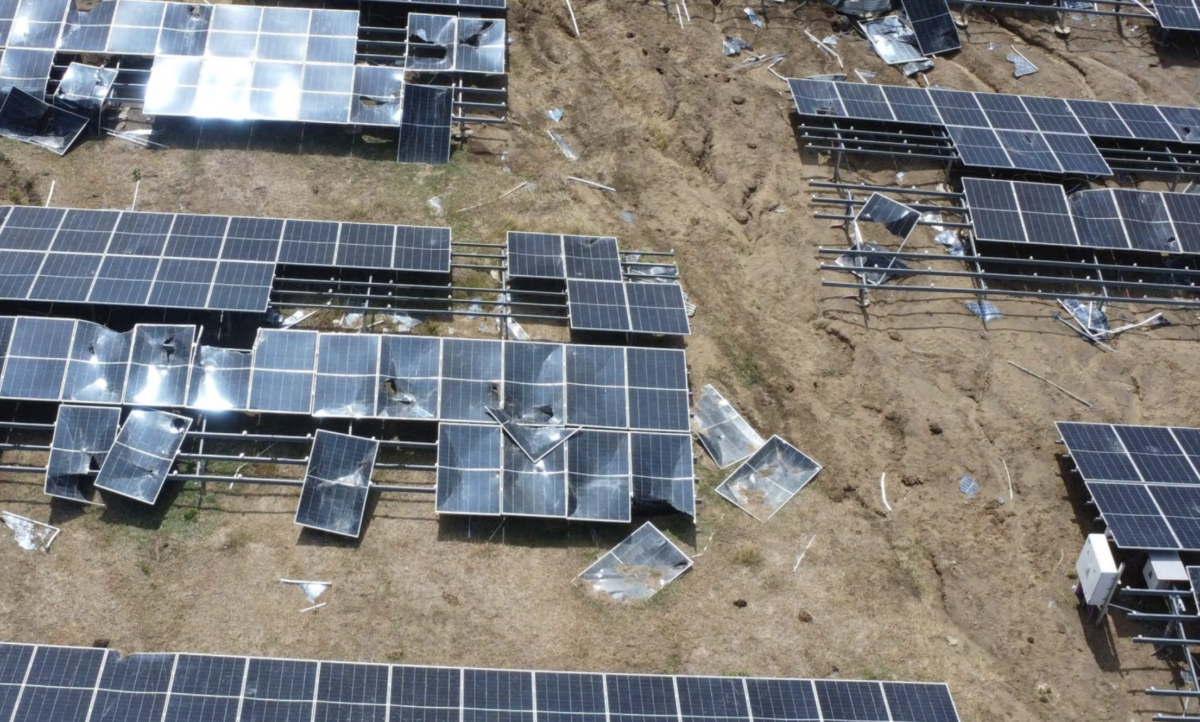
Hurricanes bring strong winds and flying debris. Case studies from Florida and Puerto Rico reveal that most well-installed panels survive. Panels mounted securely on roofs resist wind speeds over 100 mph.
- Panels in Hurricane Michael (2018) showed minor damage in many homes.
- In Puerto Rico, panels kept producing power after Hurricane Maria.
- Proper mounting systems reduce panel loss during hurricanes.
Long-term Durability Data
Solar panels often last 25 years or more. Long-term studies show they keep working well despite weather. Panels lose only about 0.5% efficiency per year on average.
| Years in Use | Efficiency Loss | Common Issues |
|---|---|---|
| 5 | 2.5% | Minor surface scratches |
| 10 | 5% | Some micro-cracks from hail |
| 20 | 10% | Occasional wiring wear |
| 25+ | 12-15% | Panel replacement recommended |
Future Innovations
Solar panels face tough weather like hail and hurricanes. Scientists and engineers work on new ideas to make panels stronger and smarter. These innovations help solar panels last longer and keep producing energy.
Better materials, smart systems, and new ways to install panels are key areas of progress. These changes aim to protect solar panels from damage and improve their performance during storms.
Enhanced Materials
New materials make solar panels tougher against hail and wind. Research focuses on stronger glass and flexible surfaces that can absorb impacts. These materials help panels avoid cracks and breaks.
- Tempered glass that resists shattering
- Polymer coatings to prevent scratches
- Flexible solar cells that bend without breaking
- Waterproof layers to stop water damage
Smart Monitoring Systems
Smart systems track the health of solar panels in real time. These systems detect damage early and alert owners. They also adjust panel settings to keep energy output stable during storms.
| Feature | Benefit |
| Damage sensors | Quickly find broken panels |
| Weather alerts | Prepare panels for storms |
| Performance tracking | Keep energy production steady |
| Remote controls | Adjust panels from anywhere |
Improved Installation Techniques
How solar panels are installed affects their strength. New methods focus on secure mounts and flexible frames. These techniques help panels stay fixed during high winds and heavy hail.
| Installation Method | Benefit |
|---|---|
| Shock-absorbing mounts | Reduce damage from hail impacts |
| Flexible frames | Allow bending without breaking |
| Reinforced anchors | Keep panels fixed in strong winds |
| Elevated positioning | Protect panels from flood water |
Credit: www.pv-magazine.com
Frequently Asked Questions
Can Solar Panels Resist Hail Damage Effectively?
Yes, most solar panels have tempered glass designed to resist hailstones up to one inch. This makes them durable against typical hail impacts.
Are Solar Panels Durable During Hurricanes?
Solar panels are built to endure strong winds, often rated for hurricane-force speeds. Proper installation enhances their ability to survive hurricanes.
How Do Manufacturers Test Solar Panels For Weather Damage?
Manufacturers conduct rigorous testing including hail impact and wind resistance tests. These tests ensure panels meet safety and durability standards.
What Maintenance Helps Solar Panels Survive Extreme Weather?
Regular inspections for cracks and secure mounting help panels endure storms. Cleaning debris and addressing damages promptly improves longevity.
Conclusion
Solar panels are built strong to handle tough weather. They can resist hail and stand against strong winds. Damage can still happen, but it is rare. Regular checks help keep them safe and working well. Choosing quality panels adds extra protection.
Solar power remains a smart, durable choice for many homes. Trust in their design to face storms and protect your energy needs.