How are Cardinals Adapted to Survive Cold Weather: Key Survival Traits
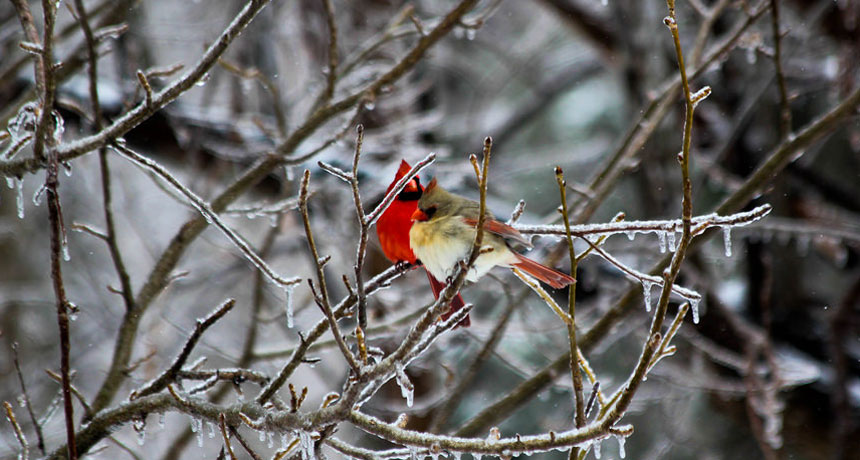
Have you ever marveled at the sight of a vibrant red cardinal perched amidst a snowy landscape? These stunning birds are a winter wonder, but have you ever stopped to wonder how they manage to thrive when temperatures drop?
If you’re curious about the secrets behind their survival, you’re in the right place. In this blog post, we’ll uncover the fascinating adaptations that allow cardinals to endure the harshest of winters. From their special feathers to their clever behaviors, we’ll reveal how these beautiful creatures turn cold challenges into opportunities.
Stick with us, and you might just discover a few surprising facts that change the way you see these resilient birds forever. Are you ready to explore their winter magic?
Physical Adaptations
Cardinals have special features to help them survive cold weather. Their bodies work to keep them warm during winter. These physical traits are important for their survival.
Understanding these adaptations shows how cardinals thrive in harsh climates. We will look at feather insulation, body size and shape, and coloration benefits.
Feather Insulation
Cardinals have thick feathers that trap air close to their bodies. This trapped air acts like a blanket, keeping heat in and cold out. They also fluff up their feathers to add extra insulation.
- Down feathers provide softness and warmth.
- Contour feathers protect against wind and rain.
- Fluffing feathers increases insulation during cold days.
Body Size And Shape
Cardinals have a compact body shape that helps reduce heat loss. Their round bodies keep vital organs warm. A smaller surface area compared to volume helps them keep heat inside.
| Body Feature | Benefit in Cold Weather |
| Compact shape | Reduces heat loss |
| Short tail and beak | Minimizes exposed areas |
| Strong legs | Helps in perching on cold branches |
Coloration Benefits
The bright red color of male cardinals helps absorb sunlight. Darker feathers can trap warmth from the sun’s rays. This helps cardinals stay warm during daylight hours.
Coloration also plays a role in camouflage. Cardinals blend in with red berries and winter plants. This helps protect them from predators while they rest.

Credit: medium.com
Behavioral Strategies
Cardinals face cold weather by using smart behaviors. These actions help them stay warm and find food. Their habits change with the seasons.
These behavioral strategies include how they search for food, find shelter, and interact with others. Each helps them survive when temperatures drop.
Foraging Techniques
Cardinals change how they look for food in winter. They eat seeds, berries, and insects hidden under leaves or snow. They often feed in places with dense shrubs.
- Search for seeds on the ground under thick bushes
- Eat berries from winter plants
- Pick insects from tree bark and branches
- Visit bird feeders if available
Shelter Seeking
To stay warm, cardinals find good shelter during cold days and nights. They hide in thick bushes and dense trees to block cold winds.
| Shelter Type | Benefit |
| Evergreen shrubs | Block wind and keep warmth |
| Tree cavities | Protect from rain and snow |
| Dense thickets | Hide from predators and cold |
Social Behavior
Cardinals sometimes gather in small groups during cold weather. This helps them find food and stay safe from predators.
Benefits of social behavior in cold weather:
- More eyes to spot food
- Increased warmth by roosting close together
- Better protection from predators
Physiological Mechanisms
Cardinals survive cold weather by using special body processes. These changes help them stay warm and active.
Understanding these mechanisms shows how cardinals adjust inside to face winter challenges.
Metabolic Rate Adjustments
Cardinals raise their metabolic rate in cold weather. This increase helps produce more body heat.
Their bodies burn energy faster to keep their temperature stable. This process uses stored food energy.
Fat Storage
Cardinals store extra fat before winter. Fat acts as an energy reserve and insulation layer.
- Fat provides fuel when food is scarce.
- It helps keep the body warm by trapping heat.
- Stored fat supports energy needs during cold nights.
Temperature Regulation
Cardinals control their body temperature with several methods. They fluff their feathers to trap heat.
| Method | Function |
| Feather fluffing | Traps warm air close to the skin |
| Shivering | Generates heat through muscle movement |
| Reduced blood flow to extremities | Limits heat loss in legs and feet |
Habitat Preferences
Cardinals survive cold weather by choosing habitats that offer shelter and food. Their habitat preferences help them stay warm and safe during winter.
Understanding where cardinals live in winter shows how they adapt to harsh conditions. They pick areas that protect them from cold and wind.
Winter Range Selection
Cardinals select winter ranges with dense vegetation. These places provide cover from snow and cold winds. They often stay near evergreen trees or thick shrubs.
- Areas with evergreen trees for year-round shelter
- Shrubby edges near forests for food and protection
- Brushy gardens and parks that offer seeds and berries
- Places with reliable food sources during winter
Microhabitat Use
| Microhabitat | Purpose |
| Thick shrubs | Protect from cold winds |
| Evergreen branches | Provide shelter and warmth |
| Leaf litter on ground | Help hide from predators |
| Sunlit spots | Offer warmth during daytime |
Cardinals use these small habitats to keep safe and warm. They rest in dense cover and feed in sunny spots to maintain energy.
Reproductive Adaptations
Cardinals have special ways to survive cold weather during reproduction. Their habits help protect their young and keep the species strong.
These adaptations include changes in when they breed and how they build nests. Both help cardinals stay safe in cold times.
Breeding Timing
Cardinals start breeding later in cold areas to avoid harsh weather. They wait until temperatures rise slightly before laying eggs.
This timing ensures the young hatch when food is more available. It also helps parents keep their chicks warm and safe.
Nest Construction
Cardinals build thick nests to protect eggs and chicks from cold. They use soft materials like feathers and plant fibers for insulation.
Nests are placed in dense shrubs or trees to block wind and keep warmth inside. This shelter helps young cardinals survive chilly days.
- Use of soft, insulating materials
- Placement in dense, sheltered spots
- Nest shape designed to retain heat

Credit: medium.com

Credit: medium.com
Frequently Asked Questions
How Do Cardinals Keep Warm In Winter?
Cardinals fluff their feathers to trap heat close to their bodies. They also seek dense shrubs for shelter from cold winds. This behavior helps minimize heat loss and keeps them warm during freezing temperatures.
What Physical Traits Help Cardinals Survive Cold Weather?
Cardinals have thick feathers and a robust body that conserves heat. Their bright red plumage also absorbs sunlight, providing extra warmth. These physical adaptations enable them to maintain body temperature in harsh winter conditions.
How Do Cardinals Find Food In Winter Cold?
Cardinals eat seeds, berries, and insects, often foraging on the ground. They use their strong beaks to crack hard seeds. This diverse diet helps them sustain energy and survive when food is scarce.
Do Cardinals Change Their Behavior In Cold Weather?
Yes, cardinals reduce activity to conserve energy and stay warm. They often roost together to share body heat. This social behavior increases their chances of surviving cold nights.
Conclusion
Cardinals survive cold weather through smart adaptations. Their thick feathers keep them warm and trap heat. They fluff up to create air pockets for extra insulation. Cardinals eat high-energy seeds to fuel their bodies. They find shelter in dense bushes and trees.
Their bright red color helps them stay visible to mates. These birds show nature’s way of surviving winter. Watching cardinals in snow reveals their strong survival skills. They remind us how life adapts to tough conditions. Cardinals inspire curiosity about wildlife in cold climates.