How Did Wildlife Survive Hurricane Katrina: Incredible Survival Stories
Imagine the sheer force of nature roaring through a landscape, leaving a trail of chaos in its wake. Hurricane Katrina was one such storm, a powerful beast that disrupted lives and reshaped landscapes.
But have you ever wondered how the wildlife in its path managed to survive? This isn’t just a story of survival; it’s a tale of resilience and adaptation. As you dive into this article, you’ll uncover the fascinating strategies and behaviors that allowed wildlife to withstand such a colossal storm.
You’ll gain insights into nature’s remarkable ability to endure and thrive, even in the face of overwhelming odds. Stay with us as we explore this gripping chapter of nature’s enduring saga.
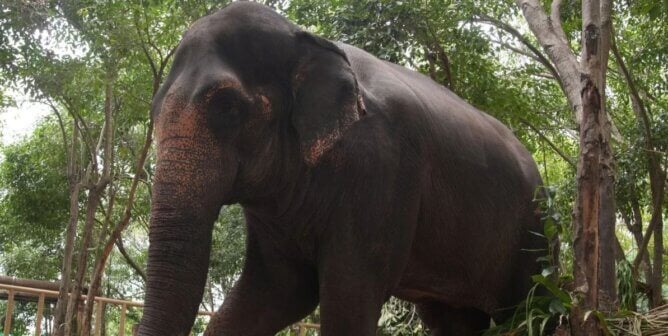
Credit: www.peta.org
Wildlife Impacted By Hurricane Katrina
Hurricane Katrina was one of the most powerful storms to hit the Gulf Coast. It caused major damage to habitats and wildlife. Many animals faced tough challenges as their homes were destroyed.
This article looks at the ecosystems affected, species at risk, and the immediate changes in the environment after the hurricane.
Affected Ecosystems
Coastal wetlands, forests, and marshes were the most impacted ecosystems. Flooding and strong winds changed the landscape. Many plants and small animals lost their homes.
- Wetlands were flooded with saltwater.
- Forests lost many trees due to strong winds.
- Marshes were filled with debris and sediment.
Species At Risk
Animals like birds, fish, and mammals faced many dangers. Some species were at higher risk due to their limited habitat or slow movement.
| Species | Risk Factor | Impact |
| Brown Pelicans | Habitat loss | Breeding sites destroyed |
| Alligators | Flooding | Displacement and stress |
| Fish | Water quality | Oxygen level drop |
| Sea Turtles | Nesting grounds | Beach erosion |
Immediate Environmental Changes
The hurricane caused sudden changes in water, land, and air quality. These changes affected wildlife survival in many ways.
- Water became polluted with chemicals and waste.
- Many areas were covered with debris and fallen trees.
- Saltwater intrusion damaged freshwater habitats.
- Food sources became scarce for many animals.

Credit: www.lsu.edu
Natural Survival Instincts
Wildlife faced huge challenges during Hurricane Katrina. Animals used natural instincts to survive the storm’s force. These instincts helped them avoid danger and find safety.
Understanding how animals reacted shows the power of nature’s design. Their survival skills include seeking shelter, adapting behavior, and migration.
Seeking Shelter
Animals looked for safe places before the storm hit. Many hid in dense forests, caves, or burrows underground. These shelters protected them from strong winds and flooding.
- Birds found thick tree branches or dense shrubs.
- Small mammals dug deep burrows or used hollow logs.
- Reptiles and amphibians hid under rocks or inside crevices.
- Some animals stayed near water but moved to higher ground.
Adaptive Behaviors
Animals changed their usual actions to survive. They slowed down or became quiet to avoid drawing attention. Some hunted less or ate different foods as resources became scarce.
| Animal Type | Adaptive Behavior |
| Birds | Reduced flight and stayed hidden |
| Mammals | Used alternative food sources and stayed in shelters |
| Fish | Moved to deeper water to escape currents |
| Insects | Buried in soil or bark to avoid flooding |
Migration Patterns
Many animals moved away from the storm’s path. They followed instinct to find safer habitats. Migration helped them avoid the worst conditions and find food and water.
- Birds flew hundreds of miles inland or southward.
- Some mammals traveled to higher and drier areas.
- Fish species moved to calmer waters or swamps.
Incredible Survival Stories
Hurricane Katrina was one of the strongest storms to hit the United States. It caused severe damage and flooding. Many animals were affected by the storm.
Despite the destruction, some wildlife showed amazing strength. These stories show how animals survived and adapted during the disaster.
Rescued Animals
Many animals were trapped or injured after the hurricane. Rescue teams worked hard to save them. They found pets, birds, and wild animals in need.
Animal shelters and volunteers helped care for the rescued wildlife. They gave food, water, and medical help. Some animals were released back into the wild later.
- Dogs and cats were found in flooded homes.
- Birds were rescued from damaged nests.
- Wild animals were taken to safe areas.
Unexpected Adaptations
Wildlife had to change their behavior to survive the storm. Some animals found new places to live. Others changed their eating habits to find food.
For example, some birds flew to safer areas far from the storm. Fish moved to deeper waters to avoid strong currents. These changes helped them live through the disaster.
- Birds migrated to safer locations.
- Fish swam deeper in flooded waters.
- Mammals searched for higher ground.
Community Wildlife Efforts
Local communities joined to protect wildlife after Katrina. People formed groups to clean habitats and plant new trees. They also built shelters for animals.
Volunteers taught others how to care for injured animals. These efforts helped many species recover. The community work showed how people and nature can work together.
- Cleaning and restoring natural habitats
- Building shelters for injured animals
- Educating the public on wildlife care
Role Of Wildlife Rescue Teams
Wildlife rescue teams played a vital role during Hurricane Katrina. They helped animals survive the disaster’s impact. Their work saved many lives and supported recovery efforts.
These teams worked fast to find, rescue, and care for animals. Their actions showed how important preparation and teamwork are in such events.
Emergency Response
Right after the hurricane hit, rescue teams moved quickly. They searched flooded and damaged areas for trapped or injured animals. Many animals were scared and lost.
- Teams used boats and helicopters to reach animals in danger.
- They set up temporary shelters to hold rescued wildlife.
- Veterinarians gave urgent medical care to injured animals.
- Volunteers helped capture and transport the animals safely.
Rehabilitation Processes
After rescue, animals needed care to recover. Rehabilitation centers worked to heal injuries and reduce stress in animals. They also helped animals regain strength before release.
| Rehabilitation Step | Purpose |
| Medical Treatment | Fix wounds and illnesses |
| Nutrition Support | Provide proper food and water |
| Behavioral Care | Help animals feel safe and calm |
| Physical Therapy | Restore movement and strength |
Long-term Care
Some animals needed long-term care before they could return home. Teams monitored their health and behavior carefully. They made sure animals were ready for the wild again.
Key actions in long-term care included:
- Regular health check-ups
- Preparing animals for release
- Tracking released animals to ensure survival
- Educating the public about wildlife protection
Environmental Recovery Post-katrina
Hurricane Katrina caused great damage to wildlife habitats. Many plants and animals faced challenges to survive. Recovery efforts helped nature heal over time.
Scientists and conservationists studied how habitats and species changed. They worked on restoring areas and protecting wildlife for the future.
Habitat Restoration
Many wetlands and forests were flooded and damaged by the hurricane. Restoration projects focused on rebuilding these natural areas. This helped provide homes for animals again.
Planting native trees and grasses was important. These plants stopped soil erosion and improved water quality. Restoring marshes also helped protect coastal areas from future storms.
- Replanting native vegetation
- Cleaning debris from wetlands
- Rebuilding natural water flow
- Protecting coastal marshes
Species Population Changes
Some animal populations dropped after Katrina. Flooding and habitat loss made it hard for them to survive. Other species adapted or moved to safer areas.
Scientists tracked changes in birds, fish, and mammals. Some species slowly recovered as habitats improved. Wildlife showed strong resilience to the disaster.
- Decrease in some bird and fish numbers
- Temporary loss of nesting areas
- Movement of animals to higher ground
- Gradual return as habitats healed
Ongoing Conservation Efforts
Conservation groups continue to protect wildlife in the region. They monitor animal populations and habitat health. These efforts help prevent future damage.
Community involvement is key. People help by planting trees and keeping waterways clean. These actions support the long-term recovery of the environment.
- Regular monitoring of wildlife
- Habitat protection programs
- Community tree planting events
- Education on environmental care

Credit: www.bbc.com
Frequently Asked Questions
How Did Animals Find Shelter During Hurricane Katrina?
Wildlife used natural shelters like burrows, dense vegetation, and high ground. Many animals instinctively sought safe areas to avoid flooding and strong winds.
Which Species Were Most Resilient During Hurricane Katrina?
Birds, amphibians, and some mammals showed high resilience. Their mobility and adaptive behaviors helped them survive the storm’s impacts.
How Did Hurricane Katrina Affect Wildlife Habitats?
Flooding and wind destroyed many habitats but also created new wetlands. Some species adapted quickly, while others faced long-term challenges.
Did Wildlife Populations Recover After Hurricane Katrina?
Many populations gradually recovered due to natural reproduction and habitat restoration efforts. Recovery varied by species and habitat type.
Conclusion
Wildlife showed strong will to survive Hurricane Katrina’s harsh impact. Many animals found safe places to hide and wait. Nature’s balance helped populations recover over time. Human efforts also played a key role in rescue and care. This event teaches us how fragile and strong wildlife can be.
Protecting their habitats is crucial for future storms. Every small action helps wildlife live and thrive again. Nature’s resilience is a powerful reminder of life’s strength.