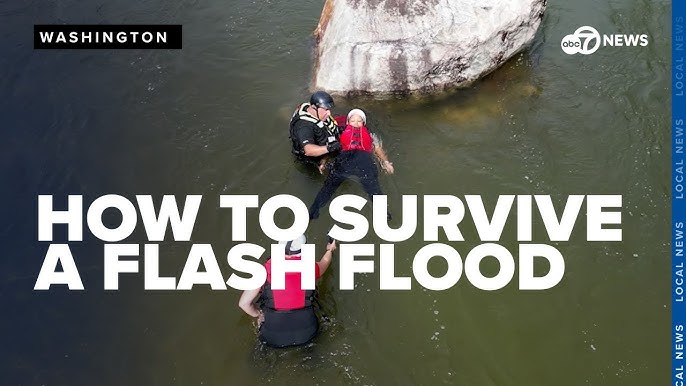
How to Survive a Hurricane Flood: Essential Life-Saving Tips
When a hurricane flood is on the horizon, your world can turn upside down in an instant. The fear of rising waters and powerful winds can leave you feeling helpless and unsure of what to do next.
But there’s good news: you don’t have to face this alone. With the right preparation and mindset, you can protect yourself and your loved ones from harm. Imagine the peace of mind knowing you’ve done everything possible to stay safe.
In this guide, you’ll discover practical steps to take before, during, and after a hurricane flood. Each tip is designed to empower you and turn anxiety into action. Are you ready to take control and ensure your safety? Keep reading to equip yourself with the knowledge you need to survive a hurricane flood.
Preparing Before The Storm
Hurricane floods can cause serious damage and danger. Preparing before the storm helps keep you and your family safe.
Getting ready early lets you avoid panic and handle emergencies better. Focus on key steps to prepare well.
Creating An Emergency Kit
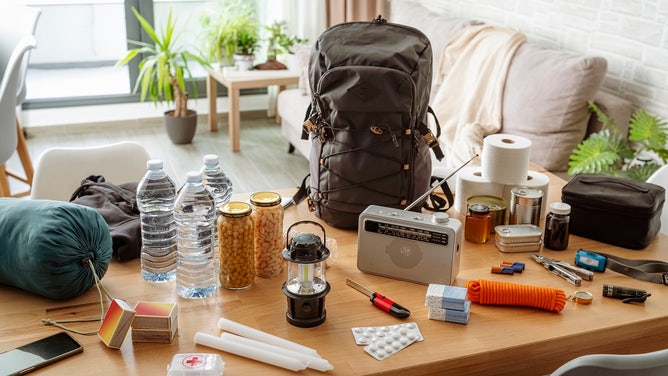
Gather important items in one place before the storm arrives. Your emergency kit should last at least three days.
- Water – one gallon per person each day
- Non-perishable food items
- Flashlight with extra batteries
- First aid supplies and medicines
- Important documents in a waterproof bag
- Battery-powered or hand-crank radio
- Clothing and blankets
- Personal hygiene items
- Cash in small bills
Securing Your Home
Protect your home to reduce flood damage. Check your property and make needed changes before the storm.
- Clear gutters and drains to avoid blockages
- Install storm shutters or board up windows
- Move valuables to higher ground or upper floors
- Seal walls and doors to keep water out
- Turn off utilities if advised by authorities
- Secure outdoor furniture and loose items
Developing A Family Plan
Talk with your family about what to do during a flood. Everyone should know where to go and how to stay safe.
- Choose a safe meeting place outside the flood zone
- Share emergency contact numbers with each other
- Decide who will be responsible for pets
- Plan how to evacuate if needed
- Practice your plan regularly

Credit: www.youtube.com
Recognizing Flood Risks
Floods can happen fast during a hurricane. Knowing the risks helps you stay safe.
Learn how to watch weather, find flood areas, and follow evacuation plans.
Monitoring Weather Updates
Check local weather reports often during hurricane season. Use trusted sources like the National Weather Service.
- Listen to weather radios for alerts
- Follow official social media accounts
- Download weather apps for real-time updates
- Watch TV or listen to the news regularly
Identifying Flood-prone Areas
Some places flood more than others. Know if your home or work is at risk.
| Area Type | Flood Risk Level |
| Low-lying land | High |
| Near rivers or lakes | High |
| On hills or high ground | Low |
| Urban areas with poor drainage | Medium |
Understanding Evacuation Orders
Officials may order evacuation to keep you safe. Know what the different orders mean.
- Voluntary:Leave if you feel unsafe.
- Mandatory:You must leave immediately.
- Shelter-in-Place:Stay indoors and stay safe.
During The Flood
Flooding during a hurricane is very dangerous. Knowing what to do helps keep you safe.
Stay calm and follow safety steps carefully. This guide focuses on what to do during the flood.
Staying Safe Indoors
Stay inside and away from windows during the flood. Flying debris and broken glass can cause injuries.
Move to a higher floor if water starts to enter your home. Avoid basements and low areas.
Avoiding Floodwaters
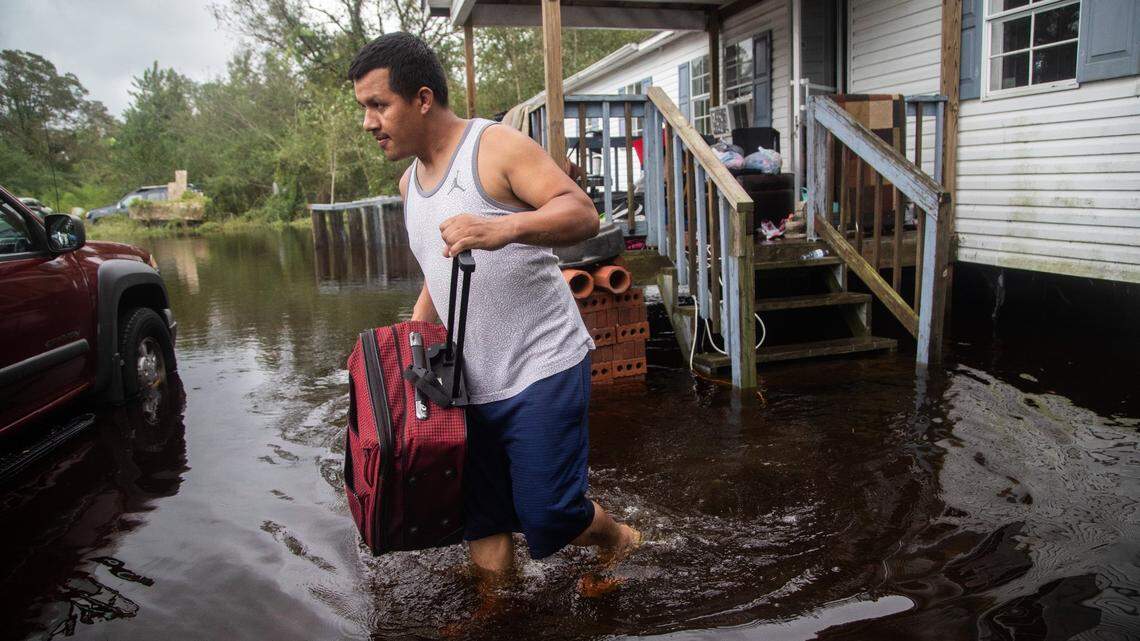
Do not walk or drive through floodwaters. Water can be deeper and faster than it looks.
Floodwaters may hide dangers like sharp objects, holes, or live electrical wires.
- Stay on high ground and dry areas only.
- Keep children and pets away from water.
- Wait for official announcements before leaving shelter.
Using Emergency Supplies Wisely
Use your emergency supplies carefully. Ration food and water to last until help arrives.
Keep flashlights and batteries ready. Use phones only for important calls to save power.
- Drink bottled or boiled water only.
- Eat non-perishable food items first.
- Keep a first aid kit handy for minor injuries.
Credit: www.newsobserver.com
Evacuation Strategies
Evacuating safely during a hurricane flood saves lives. Knowing how to plan and act quickly is important. This guide covers key evacuation strategies.
Focus on choosing safe routes, helping those who need extra care, and staying in touch with emergency services.
Choosing Safe Routes
Pick evacuation paths that avoid flooded areas and blocked roads. Plan ahead using maps and local alerts. Stay on main roads when possible.
- Check flood maps for safe zones
- Avoid low-lying or coastal roads
- Follow official evacuation orders
- Use GPS and traffic updates
- Have alternative routes ready
Assisting Vulnerable Individuals
Help children, elderly, and disabled people evacuate safely. Prepare extra supplies and plan for their special needs. Stay calm and patient during the process.
| Person | Needs | Tips |
| Children | Comfort items, snacks | Keep close, explain calmly |
| Elderly | Medication, mobility aid | Assist walking, monitor health |
| Disabled | Equipment, communication devices | Arrange transport, ensure accessibility |
Communicating With Authorities
Stay informed by contacting emergency services and local officials. Use official channels to get updates and report emergencies. Keep your phone charged and ready.
Tips for communication:
- Save emergency numbers in your phone
- Use text messages if calls do not connect
- Listen to radio or official social media
- Inform authorities if someone is missing
After The Flood
Floods from hurricanes can cause serious damage. It is important to stay safe while checking your home and health.
This guide helps you know what to do after a flood to protect yourself and find help.
Assessing Damage Safely
Do not enter flooded buildings until officials say it is safe. Wear boots and gloves to protect from sharp objects and bacteria.
- Turn off electricity and gas before entering your home.
- Check for structural damage like cracks or leaning walls.
- Take photos of damage for insurance claims.
- Avoid using tap water until it is tested safe.
Preventing Health Hazards
Flood water can carry germs and chemicals. Clean and dry everything quickly to stop mold and sickness.
| Hazard | Prevention |
|---|---|
| Mold | Dry wet areas within 24-48 hours |
| Contaminated Water | Use bottled or boiled water for drinking |
| Food Poisoning | Throw away food touched by flood water |
| Injuries | Wear protective gear and clean wounds immediately |
Accessing Relief Resources
Many groups offer help after a flood. Know where to get food, shelter, and medical aid.
- Contact local emergency services for shelter locations.
- Visit community centers for food and water distribution.
- Use government websites to apply for disaster aid.
- Reach out to non-profits for counseling and support.
Credit: www.foxweather.com
Frequently Asked Questions
What Are The First Steps To Take During A Hurricane Flood?
Immediately move to higher ground and avoid floodwaters. Secure important documents and turn off utilities if safe. Stay informed through weather updates and emergency alerts to make timely decisions.
How Can I Prepare My Home For Hurricane Flooding?
Elevate electrical systems and install flood barriers. Seal walls with waterproofing compounds. Clear drains and gutters to ensure proper water flow. Store valuables in waterproof containers for protection.
What Items Should Be In A Hurricane Flood Emergency Kit?
Include water, non-perishable food, flashlight, batteries, first aid kit, and essential medications. Add a battery-powered radio, blankets, and sturdy shoes. Keep important documents and cash in a waterproof bag.
Is It Safe To Drive During A Hurricane Flood?
No, driving during a flood is dangerous due to hidden hazards. Avoid flooded roads and never drive through moving water. Wait for authorities to declare roads safe before traveling.
Conclusion
Staying safe during a hurricane flood takes quick action and clear planning. Prepare your home and gather supplies early. Listen to weather updates and follow local advice. Avoid floodwaters and never drive through them. Keep your family close and stay calm.
Remember, safety comes first. Being ready can save lives and reduce damage. Stay aware, stay safe, and protect what matters most.