Can New Masonry Home Survive Cat 3 Hurricane? Ultimate Guide
Imagine you’re sitting in your cozy new masonry home, sipping a warm cup of coffee, while dark clouds gather on the horizon. A Category 3 hurricane is on its way, and you can’t help but wonder: can your home withstand the storm?
This is a question that many homeowners like you are asking, especially in hurricane-prone areas. Your home is your sanctuary, and the thought of it being compromised is unsettling. But don’t worry—you’re not alone in this. With the right information, you can feel more confident about your home’s resilience.
We’ll uncover the surprising strength of masonry homes and how they measure up against the intense force of a Cat 3 hurricane. Stick around, because the insights you gain could make all the difference in safeguarding your home and peace of mind.
Masonry Homes And Hurricane Risks
Masonry homes are built using bricks, stones, or concrete blocks. These materials are strong and can resist many weather conditions.
Cat 3 hurricanes bring strong winds and heavy rain. This raises a question: can new masonry homes survive such storms?
Masonry Materials And Construction
Masonry uses materials like brick, stone, and concrete blocks. These materials are heavy and dense, giving good strength.
New homes use reinforced masonry. Steel bars and strong mortar hold the structure together. This helps resist wind pressure.
- Brick walls with steel reinforcement
- Concrete blocks with mortar and ties
- Stone masonry with proper bonding
- Strong foundations to prevent movement
Typical Weaknesses In Masonry Structures
Masonry walls can crack under very strong winds. Gaps or weak mortar reduce strength. Openings like windows are vulnerable.
Roofs on masonry homes often cause problems. If not well attached, strong winds can lift or damage them. Water can enter through cracks.
- Cracks in walls from shifting or pressure
- Loose or missing mortar joints
- Weak points around windows and doors
- Poor roof connections to walls
Hurricane Categories And Impact Levels
Hurricanes are ranked by wind speed from 1 to 5. Category 3 storms have winds from 111 to 129 mph. These winds can cause serious damage.
Category 3 hurricanes can break windows, tear off roofs, and crack walls. Flooding and flying debris also add to the risks.
| Category | Wind Speed (mph) | Damage Level |
|---|---|---|
| 1 | 74 – 95 | Some damage to roofs and trees |
| 2 | 96 – 110 | Moderate damage to roofs and windows |
| 3 | 111 – 129 | Serious damage to roofs and walls |
| 4 | 130 – 156 | Severe damage; many buildings destroyed |
| 5 | 157+ | Catastrophic damage; most structures fail |
Characteristics Of Category 3 Hurricanes
Category 3 hurricanes are strong storms with serious risks. They can cause major damage to buildings and the environment.
Understanding their features helps us know if new masonry homes can survive such storms.
Wind Speeds And Damage Potential
Category 3 hurricanes have wind speeds between 111 and 129 miles per hour. These winds can break windows and damage roofs.
Strong winds can also knock down trees and power lines, causing power outages and road blockages.
- Wind speeds: 111-129 mph
- Roof damage is common
- Windows can break easily
- Trees and power lines fall
Storm Surge And Flooding Concerns
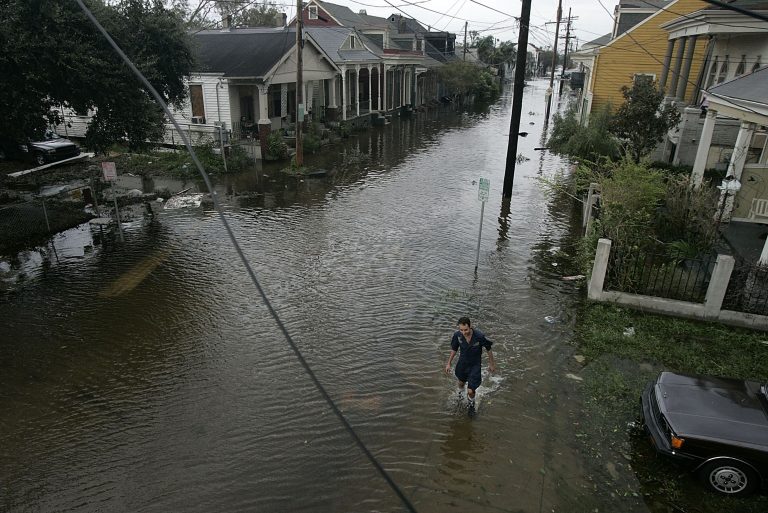
Category 3 hurricanes cause storm surges of 9 to 12 feet above normal tide levels. This can flood coastal areas and homes.
Flooding can damage home foundations and cause mold problems inside buildings.
- Storm surge height: 9-12 feet
- Coastal flooding is severe
- Foundations may weaken
- Mold risk increases after floods
Duration And Secondary Effects
Category 3 hurricanes can last several hours as they pass over an area. This long duration increases damage.
Secondary effects include heavy rain, flash floods, and debris that block roads and damage property.
- Storm lasts for hours
- Heavy rain causes flash floods
- Debris blocks roads
- Damage extends beyond wind
Design Features Enhancing Hurricane Resistance
New masonry homes can survive a Category 3 hurricane with strong design features. Builders use special techniques to protect the house from wind and rain damage. These features help keep the home safe during storms.
Good design focuses on strong walls, secure roofs, and protected openings. Each part works together to resist the power of the hurricane winds and flying debris.
Reinforced Masonry Techniques
Reinforced masonry makes walls stronger against high winds and impacts. Steel bars and concrete fill are used inside the bricks or blocks. This creates a solid, heavy structure that stands firm during storms.
Builders also use special mortar that binds the blocks tightly. The connections between walls and foundations are made very secure. This prevents walls from cracking or falling down.
- Steel reinforcement bars inside masonry walls
- Concrete filling for extra strength
- High-quality mortar for strong bonds
- Secure ties to foundation and roof
Roofing Solutions For Wind Resistance
Roofs must resist strong winds and flying debris. Many new masonry homes use hip roofs because they are more stable. Roofs are attached to walls with metal straps or clips to stop uplift.
Roof materials like metal or impact-resistant shingles protect against damage. Roof edges are sealed tight to stop wind from getting under and lifting the roof.
- Hip roof design for better wind flow
- Metal straps attach roof to walls
- Impact-resistant shingles or metal panels
- Sealed roof edges to prevent uplift
Window And Door Protection
Windows and doors are weak spots in a hurricane. New homes use impact-resistant glass or storm shutters. These protect from flying debris that can break windows and let wind inside.
Doors have strong frames and multiple locking points. This keeps them closed even during strong winds. Proper sealing around frames stops water leaks and air pressure damage.
- Impact-resistant glass or storm shutters
- Strong door frames with multiple locks
- Sealed edges to block water and wind
- Reinforced garage doors to prevent collapse
Building Codes And Standards For Hurricanes
New masonry homes face strong tests during Category 3 hurricanes. Building codes help make these homes safer. They set clear rules for materials and construction methods.
Understanding local and federal rules is key. These codes guide builders to resist high winds and flying debris during storms.
Local And Federal Regulations
Local governments adopt building codes based on federal standards. These codes require homes to meet wind resistance and structural strength limits. They aim to protect life and property during hurricanes.
The International Building Code (IBC) and the International Residential Code (IRC) are common federal guidelines. States may add stricter rules for hurricane-prone areas.
Impact-resistant Material Requirements
Materials used in new masonry homes must resist damage from wind and debris. Impact-resistant windows and doors are essential. These materials reduce the chance of breakage.
- Windows with laminated glass
- Reinforced concrete blocks
- Steel or heavy-duty wood doors
- Strong roof connections and fasteners
Inspection And Certification Processes
Homes must pass inspections during and after construction. Inspectors check that builders follow codes and use approved materials. Certification shows the home meets hurricane safety standards.
| Inspection Stage | Focus Area |
| Foundation | Structural anchors and masonry strength |
| Framing | Connections and fasteners |
| Windows and Doors | Impact-resistant materials and installation |
| Final | Overall code compliance and safety features |
Real-world Performance Of Masonry Homes In Hurricanes
Masonry homes use bricks, blocks, or stone for their walls. These materials make the house strong and heavy. People often wonder if new masonry homes can survive strong hurricanes.
Category 3 hurricanes have winds from 111 to 129 mph. These storms can cause serious damage to buildings. Let’s look at how masonry homes handle these storms in real life.
Case Studies From Recent Category 3 Storms
In recent storms like Hurricane Sally and Hurricane Laura, many masonry homes faced high winds and flooding. Many homes stood strong while others had damage. These cases help us learn what works.
For example, in Hurricane Laura, masonry homes with reinforced walls and strong roofs suffered less damage. In Hurricane Sally, homes built on raised foundations avoided flood problems.
- Reinforced walls helped resist wind pressure
- Strong roof attachments prevented roof loss
- Raised foundations reduced flood damage
Common Damage Patterns Observed
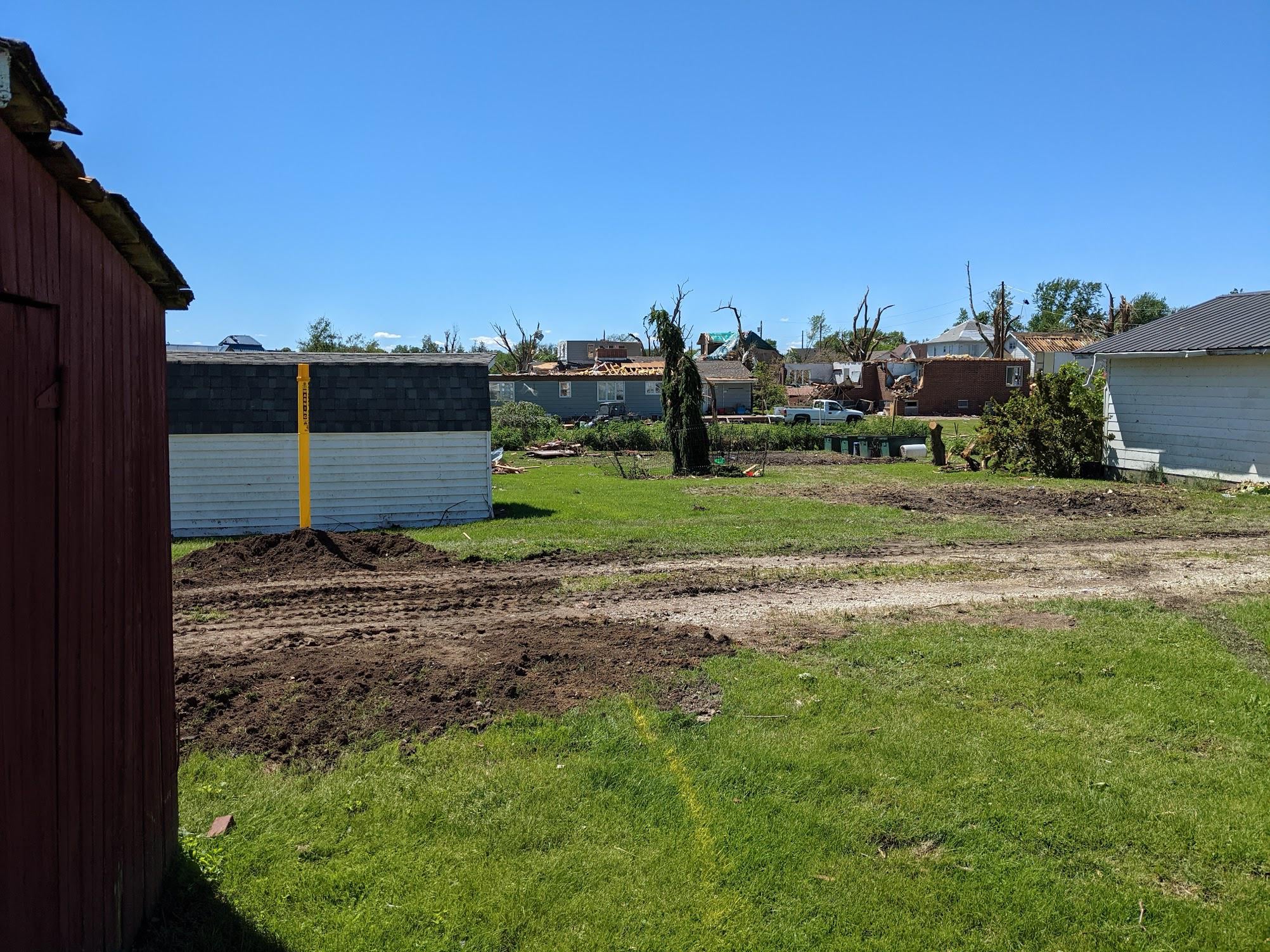
Masonry homes often face similar damage types in Category 3 hurricanes. Roof damage is common when tiles or shingles blow off. Windows can break from flying debris.
Walls rarely collapse but may show cracks if the foundation shifts. Flooding causes damage to lower walls and interiors in some cases. These patterns help builders improve designs.
- Roof covering loss due to high winds
- Window breakage from debris impact
- Wall cracks from foundation movement
- Flood damage to lower walls and interiors
Survivability Factors
Several factors affect how well a masonry home survives a Category 3 hurricane. The roof design and how it is attached are very important. Strong connections keep the roof in place.
Properly reinforced walls can resist wind forces better. Windows with impact-resistant glass reduce breakage. Elevating the home helps prevent flood damage. Good construction and materials are key.
- Strong roof attachment systems
- Reinforced masonry walls
- Impact-resistant windows
- Raised foundations or elevated design
- Quality construction and materials

Credit: www.reddit.com
Preventative Measures And Maintenance
New masonry homes can face serious risks during a Category 3 hurricane. Proper upkeep helps protect these homes from damage. Taking regular steps can improve their chances of survival.
This guide covers key areas to maintain your masonry home. Focus on inspections, sealing, and yard care to keep your home strong.
Regular Structural Inspections
Check your home’s structure often for cracks or weak spots. Early fixes stop small issues from growing during a storm. Inspect walls, roofs, and foundations carefully.
- Look for cracks in masonry walls.
- Check roof tiles and flashing for looseness.
- Inspect foundation for any signs of shifting.
- Ensure windows and doors close tightly and have no gaps.
- Hire a professional if you find serious damage.
Sealing And Waterproofing
Keep water out by sealing all openings. Waterproof barriers protect masonry from heavy rain. Apply sealants to walls and around windows regularly.
| Area | Recommended Sealant | Frequency |
|---|---|---|
| Masonry Walls | Silicone-based sealant | Every 2 years |
| Windows and Doors | Weatherstripping and caulk | Every year |
| Roof Flashing | Roofing cement or tar | Every year |
Landscaping And Debris Management
Clear the yard of loose items that storms can turn into dangerous debris. Trim trees and bushes away from the home to prevent damage from falling limbs.
- Remove dead branches and weak limbs from trees.
- Keep shrubs trimmed and away from walls.
- Secure or store outdoor furniture and tools.
- Clear gutters and drains to prevent water buildup.
- Use mulch or gravel to reduce soil erosion near the foundation.
Insurance And Financial Considerations
Building a new masonry home offers strong protection against hurricanes. Still, insurance and money matters are key. Understanding these helps homeowners prepare well.
Costs to repair hurricane damage can be high. Insurance can reduce financial risks. Knowing coverage details and claims process is important.
Coverage For Hurricane Damage
Insurance policies for masonry homes often cover wind and water damage. Not all policies cover flooding, so check carefully. Some insurers offer special hurricane protection.
Coverage depends on your location and home features. High-value homes may need extra insurance. Review your policy yearly to stay protected.
- Wind damage usually covered
- Flood damage may need separate policy
- Deductibles vary by hurricane risk area
- Additional coverage for roof and windows
Cost-benefit Of Strengthening Measures
Adding hurricane-resistant features can raise home costs. These include stronger roofs and impact windows. These upgrades lower damage risk and insurance costs.
Stronger homes often get lower insurance rates. Savings may cover upgrade costs over time. Weigh upfront costs against long-term savings carefully.
- Impact-resistant windows reduce damage
- Reinforced roofs prevent leaks
- Stronger doors add security
- Lower insurance premiums possible
- Higher home value after upgrades
Claims Process For Masonry Homes
After a hurricane, contact your insurer quickly. Document all damage with photos and notes. Keep receipts for repairs and expenses.
Insurers send an adjuster to inspect damage. Provide clear information and cooperate fully. Understand your policy limits and exclusions to avoid surprises.
- Report damage as soon as possible
- Take detailed photos of all damage
- Save repair and replacement receipts
- Meet with insurance adjuster
- Ask questions about your coverage

Credit: www.reddit.com
Future Trends In Hurricane-resistant Masonry
Building homes that can survive Category 3 hurricanes is a growing priority. Masonry construction offers strong protection from high winds and flying debris.
This article explores new trends in materials, smart safety features, and eco-friendly designs for masonry homes.
Innovative Materials And Technologies
New masonry materials improve strength and durability. These include fiber-reinforced concrete and impact-resistant blocks.
- Fiber-reinforced concrete adds flexibility and crack resistance.
- High-density blocks reduce wind penetration and water damage.
- Coatings help block moisture and reduce erosion.
- Advanced mortar formulas improve joint strength.
Smart Home Integration For Safety
Smart technology helps protect masonry homes during hurricanes. Sensors and automated systems can monitor and react to threats.
| Technology | Function | Benefit |
| Wind Sensors | Detect strong winds early | Trigger safety alerts |
| Automated Shutters | Close windows and doors | Prevent debris entry |
| Water Leak Detectors | Spot leaks from rain or flooding | Protect structural integrity |
| Emergency Lighting | Activate during power loss | Maintain visibility and safety |
Sustainability And Resilience
Masonry homes can be both strong and eco-friendly. Sustainable practices reduce environmental impact and increase long-term resilience.
Key sustainable features include:
- Use of recycled materials in bricks and blocks
- Energy-efficient insulation within masonry walls
- Rainwater harvesting systems integrated into design
- Solar panels mounted on durable masonry roofs
- Landscaping that reduces soil erosion near foundations

Credit: www.reddit.com
Frequently Asked Questions
Can A New Masonry Home Withstand Category 3 Hurricanes?
Yes, new masonry homes are designed to resist Category 3 hurricane forces. Their strong walls and reinforced structures offer excellent protection against wind and debris damage.
What Features Make Masonry Homes Hurricane-resistant?
Masonry homes use reinforced concrete, impact-resistant windows, and secure roofing systems. These features help them endure high winds and flying debris during hurricanes.
How Does Masonry Compare To Wood In Hurricane Survival?
Masonry is denser and stronger than wood. It offers better resistance to wind pressure and flying debris, making it more reliable in Category 3 hurricanes.
Are New Masonry Homes Built To Current Hurricane Codes?
Yes, new masonry homes follow strict building codes. These codes ensure homes meet standards for wind resistance and structural integrity in hurricane-prone areas.
Conclusion
New masonry homes can often withstand a Category 3 hurricane. Strong materials and proper building methods help protect these houses. Still, no home is completely safe from nature’s power. Preparing early is smart. Secure windows, doors, and clear the yard.
Stay informed about weather updates. Remember, safety comes first for you and your family. A well-built masonry home offers good protection but staying cautious saves lives. Always plan ahead and act quickly when a hurricane approaches. This way, you improve your chances of staying safe.