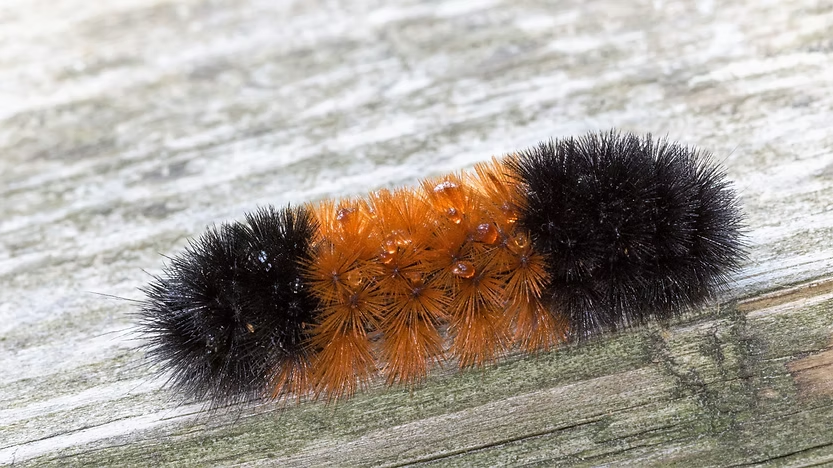
Can Caterpillars Survive Cold Weather? Shocking Survival Facts
Have you ever wondered how those tiny, crawling caterpillars manage when temperatures drop? As you snuggle up in your cozy sweater, these little critters face the chilly world outside.
But can caterpillars really survive cold weather? The answer might surprise you. Understanding their survival tactics can change the way you see your garden and the world around you. Curious to learn their secrets? Stick around, and we’ll unravel the fascinating strategies caterpillars use to brave the cold, ensuring you’ll never look at them the same way again.
Caterpillar Cold Tolerance
Caterpillars face many challenges in cold weather. Their ability to survive depends on how well they tolerate cold.
Some caterpillars can survive freezing temperatures. Others must find ways to avoid the cold.
How Caterpillars Handle Cold
Caterpillars use different strategies to survive cold weather. Some produce chemicals that act like antifreeze.
These chemicals stop ice from forming inside their bodies. This helps protect their cells from damage.
- Produce antifreeze proteins
- Lower their body water to avoid ice
- Enter a dormant state to save energy
Behavioral Adaptations To Cold
Caterpillars find warm places to hide during winter. They often burrow into soil or leaf litter.
Some caterpillars build shelters with silk. These shelters help keep them safe and warm.
- Hide under bark or leaves
- Use silk to build protective shelters
- Stay underground or inside tree crevices
Limitations Of Cold Tolerance
Not all caterpillars survive very cold winters. Extreme cold can kill them if they cannot find shelter.
Some species only live in warm areas because they cannot handle freezing temperatures.
- Cold shock can damage tissues
- Ice crystals can form inside cells
- Lack of shelter increases risk of death

Credit: sagebrushbutterflies.com
Freeze Avoidance Strategies
Caterpillars face danger from cold weather. They use special ways to avoid freezing.
These freeze avoidance strategies help caterpillars survive winter. They keep their body fluids from freezing.
Seeking Warm Microhabitats
Caterpillars find warm places to stay during cold days. These spots protect them from ice and frost.
They hide under leaves, bark, or soil. These areas keep temperatures higher than the air outside.
- Under tree bark
- Inside leaf litter
- Buried in soil
- Within plant stems
Producing Antifreeze Chemicals
Some caterpillars make special chemicals to stop ice from forming. These chemicals work like antifreeze in cars.
These substances lower the freezing point of their body fluids. This helps caterpillars stay unfrozen in cold weather.
- Glycerol
- Trehalose
- Other sugar alcohols
Reducing Water Content In Body
Caterpillars lower water in their bodies to avoid ice crystals. Less water means less chance of freezing.
This dehydration helps protect cells from damage during cold spells. It is a natural survival trick.
Entering Dormant States
Caterpillars slow down their body functions in cold weather. They enter a type of sleep called dormancy.
This state lowers their need for food and energy. It helps them survive until warmer days come back.
Freeze Tolerance Mechanisms
Caterpillars face cold weather that can harm their bodies. Some caterpillars survive freezing by using special ways. These ways help protect their cells and organs.
Freeze tolerance means the caterpillar can survive even when ice forms in its body. This ability helps them live through winter or cold nights.
Producing Antifreeze Proteins
Caterpillars make antifreeze proteins to stop ice crystals from growing. These proteins attach to ice and prevent damage inside their bodies.
Antifreeze proteins lower the freezing point of their body fluids. This keeps the caterpillars safe when temperatures drop below zero.
Accumulating Cryoprotectants
Caterpillars store special sugars and alcohols called cryoprotectants. These substances protect cells from freezing damage.
- Glycerol
- Sorbitol
- Trehalose
Cryoprotectants help keep water in cells from turning into ice. They also protect proteins and membranes inside the cells.
Controlling Ice Formation
Some caterpillars control where ice forms in their bodies. They allow ice in safe areas but protect vital organs.
This controlled ice formation prevents damage to important tissues. It helps caterpillars survive even if parts of their body freeze.
Entering A State Of Dormancy
Caterpillars slow down their body functions in cold weather. This dormancy reduces their need for energy and helps them survive.
During dormancy, caterpillars can resist cold better. Their bodies prepare for freezing by using antifreeze and cryoprotectants.
Role Of Antifreeze Proteins
Caterpillars face cold weather that can freeze their body fluids. To survive, they use special proteins called antifreeze proteins. These proteins help stop ice from forming inside their bodies.
Antifreeze proteins lower the freezing point of the caterpillar’s body liquids. This keeps their cells safe during freezing temperatures. These proteins play a key role in helping caterpillars live through winter.
What Are Antifreeze Proteins?
Antifreeze proteins are special molecules made by some insects. They bind to ice crystals and stop them from growing. This prevents damage to the caterpillar’s cells.
These proteins work like natural antifreeze. They help caterpillars avoid freezing even in very cold weather.
How Antifreeze Proteins Protect Caterpillars
When temperatures drop, ice can form inside the caterpillar’s body. This ice can break cells and cause death. Antifreeze proteins stop ice crystals from growing larger.
By controlling ice formation, these proteins keep the caterpillar’s tissues safe. This allows caterpillars to survive cold nights and frost.
Types Of Antifreeze Proteins Found In Caterpillars
Caterpillars produce different types of antifreeze proteins. Each type works in a special way to stop ice growth. Some bind tightly to ice crystals, others change how ice forms.
- Type I proteins: Small and simple, bind to ice surfaces
- Type II proteins: Larger, prevent ice crystals from joining
- Type III proteins: Change ice shape to reduce damage
When Do Caterpillars Produce Antifreeze Proteins?
Caterpillars start making antifreeze proteins as temperatures fall. They increase production before winter arrives. This prepares their bodies for freezing conditions.
Some species stop producing these proteins in warm weather. This helps them save energy when antifreeze is not needed.
Behavioral Adaptations In Winter
Caterpillars face cold weather by changing their behavior. These changes help them survive low temperatures.
They use special actions to keep warm or avoid freezing during winter months.
Seeking Shelter
Caterpillars look for safe places to hide from the cold. They crawl under leaves, bark, or soil.
These shelters protect them from wind and frost damage.
Reducing Activity
Many caterpillars slow down or stop moving in winter. This lowers their energy use.
By resting, they conserve food and survive longer without eating.
Grouping Together
Some caterpillars gather in groups to keep warm. Body heat helps them survive cold nights.
- Huddle in clusters on tree branches
- Share warmth to avoid freezing
- Reduce exposed surface area to cold air
Entering Dormancy
Caterpillars may enter a state called diapause. This is like deep sleep during winter.
- Metabolism slows down greatly
- Growth and development pause
- Resistant to cold temperatures

Credit: www.reddit.com
Impact Of Climate On Survival Rates
Caterpillars are sensitive to weather changes. Cold weather affects their survival in many ways.
The climate plays a big role in how well caterpillars live through cold seasons. Some adapt better than others.
Cold Weather Effects On Caterpillar Physiology
Cold temperatures slow down caterpillars’ body functions. Their metabolism drops, so they move less.
Some caterpillars produce special chemicals. These help stop ice from forming inside their bodies.
- Metabolism slows to save energy
- Antifreeze proteins protect cells
- Body fluids stay liquid at low temperatures
Climate Influence On Caterpillar Habitats
Different climates offer different shelter types. Caterpillars may hide in leaves or underground during cold spells.
Warmer climates usually mean higher survival rates. Cold, harsh climates can cause more deaths.
- Leaf litter provides insulation
- Soil depth affects temperature stability
- Snow cover can protect from extreme cold
Variations In Survival Among Species
Some caterpillar species live in cold places and survive well. Others only live in warm areas and die in cold.
Species that migrate or enter diapause survive better through winter. Diapause is a type of hibernation.
- Cold-tolerant species produce antifreeze compounds
- Warm climate species lack cold survival traits
- Diapause reduces energy use in cold months
Impact Of Climate Change On Caterpillar Survival
Rising temperatures change winter length and cold severity. This affects caterpillar survival patterns.
Some caterpillars may survive winters more easily. Others face risks if cold periods become unpredictable.
- Shorter winters may boost survival rates
- Unstable cold spells can harm caterpillars
- Shifts in habitat zones affect species distribution
Examples Of Cold-hardy Species
Some caterpillars can live through cold weather. These species have special ways to survive freezing temperatures.
They use strategies like producing antifreeze chemicals or finding warm shelters to stay alive during winter.
Eastern Tiger Swallowtail Caterpillar
This caterpillar lives in North America where winters can be harsh. It can survive by hiding in leaf litter and bark crevices.
It also slows down its body functions to use less energy during cold months.
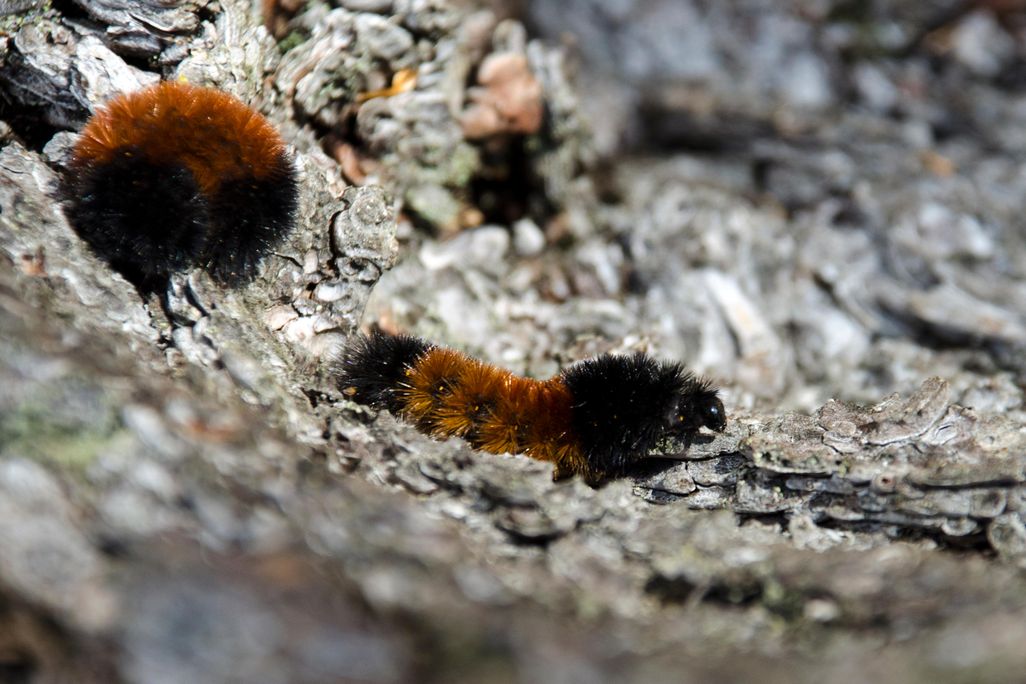
Arctic Woolly Bear Caterpillar
The Arctic Woolly Bear lives in very cold Arctic regions. It can survive freezing by producing natural antifreeze in its body.
This caterpillar can stay frozen for months and still come back to life when it warms up.
Giant Leopard Moth Caterpillar
Found in parts of the United States with cold winters, this caterpillar uses thick hair to keep warm.
It also finds protected spots under leaves or bark to avoid frost damage.
Forest Tent Caterpillar
This species lives in northern forests where temperatures drop below freezing. It survives by entering a deep sleep-like state.
Its body produces chemicals that lower the freezing point of its fluids, helping it avoid ice damage.
Credit: www.smithsonianmag.com
Challenges Of Extreme Cold Exposure
Caterpillars face many dangers in cold weather. Their small bodies and soft skin make them vulnerable. Cold temperatures slow their movements and growth.
Surviving freezing conditions is hard for caterpillars. They need special ways to protect themselves from frost and ice.
Risk Of Freezing
Caterpillars can freeze when exposed to very low temperatures. Ice crystals can form inside their bodies. This can damage their cells and organs.
Some caterpillars avoid freezing by finding warm places. Others produce chemicals to lower the freezing point of their body fluids.
Lack Of Food And Energy
Cold weather makes it hard for caterpillars to find food. Plants may be covered in frost or dead. Without food, caterpillars lose energy fast.
- Limited plant growth in cold seasons
- Reduced movement to save energy
- Dependence on stored fats and sugars
- Risk of starvation during long winters
Physical Stress And Damage
Extreme cold can cause physical stress to caterpillars. Their tissues can shrink and crack. This weakens their bodies and makes them prone to injury.
| Cold Impact | Effect on Caterpillars |
| Freezing | Cell damage and death |
| Frostbite | Tissue injury |
| Dehydration | Loss of body fluids |
| Energy Loss | Lower survival chances |
Frequently Asked Questions
Can Caterpillars Survive Freezing Temperatures?
Some caterpillars survive freezing by producing natural antifreeze chemicals. These protect their cells from ice damage during cold spells. Others avoid freezing by seeking shelter underground or in leaf litter until warmer weather returns.
How Do Caterpillars Adapt To Cold Weather?
Caterpillars adapt by entering a dormant state called diapause. They slow their metabolism and conserve energy. This helps them survive cold periods when food is scarce and temperatures drop drastically.
Do All Caterpillars Survive Winter Cold?
Not all caterpillars survive winter. Survival depends on species, habitat, and cold severity. Some species have evolved special mechanisms, while others perish or rely on eggs and pupae to overwinter.
Where Do Caterpillars Hide During Cold Weather?
Caterpillars hide in insulated places like soil, bark crevices, or leaf litter. These spots provide protection from harsh winds and freezing temperatures. Sheltering helps them maintain body heat and avoid predators.
Conclusion
Caterpillars face many challenges in cold weather. Some can survive by hiding under leaves or bark. Others slow down their body to save energy. Cold temperatures can still harm many caterpillars. Their survival depends on the species and environment. Nature has smart ways to protect them.
Watching these tiny creatures adapt is fascinating. Understanding their survival helps us appreciate nature more. Keep an eye on caterpillars during winter. They show us the power of life in tough times.


