Can a House Survive a Category 3 Hurricane? Essential Survival Tips
Imagine looking out your window as the wind howls and rain lashes against the glass. You wonder, can your house withstand the fury of a Category 3 hurricane?
This is a question that many homeowners, especially those in hurricane-prone areas, grapple with. The stakes are high, and your peace of mind hinges on the answer. Hurricanes are unpredictable forces of nature, and understanding how your home can endure such a storm is crucial.
You’ll uncover the factors that determine a home’s resilience against a Category 3 hurricane, offering you the insights needed to protect your sanctuary. Prepare yourself to learn about the safety measures that could be the difference between calm and chaos. Keep reading to find out how you can ensure your home is ready for whatever Mother Nature has in store.
Category 3 Hurricane Impact
Category 3 hurricanes are strong storms that can cause serious damage. They bring very high winds and heavy rain.
Many houses face risks from wind, flooding, and structural damage during these storms.
Wind Speeds And Damage
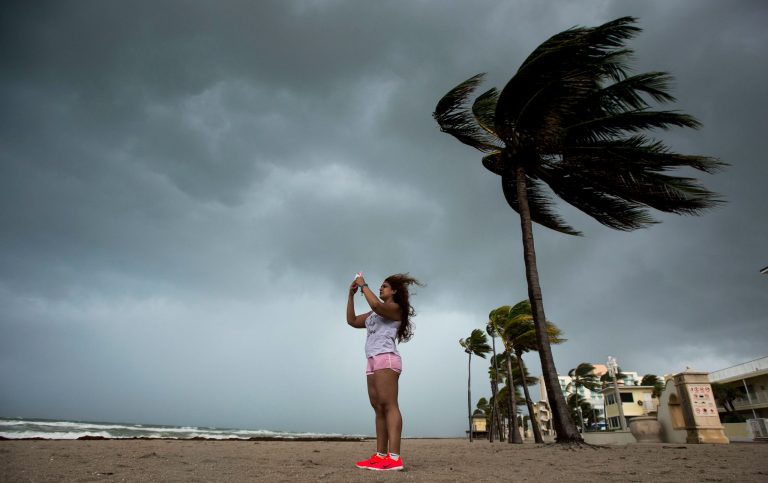
Category 3 hurricanes have wind speeds between 111 and 129 miles per hour. These winds can break windows and damage roofs.
Flying debris can hit walls and cause holes. Trees may fall on houses, adding more damage.
- Shingles can tear off roofs
- Windows and doors may break
- Outdoor items become dangerous projectiles
- Power lines can fall, causing outages
Flooding Risks
Heavy rain from Category 3 hurricanes can cause flooding. Floodwaters can enter homes and damage floors and furniture.
Storm surges push seawater inland, flooding areas near the coast. This water can weaken house foundations.
- Basements and ground floors often flood
- Flooding can cause mold growth
- Water can ruin electrical systems
- Flood damage is expensive to fix
Common Structural Failures
Houses may suffer from broken roofs and walls during a Category 3 hurricane. Weak points include windows, doors, and garage doors.
Some houses are not built to withstand strong winds and flooding, leading to partial or full collapse.
- Roof trusses can break under wind pressure
- Wall studs may crack or split
- Foundations can shift due to floodwater
- Garage doors often fail, causing internal damage

Credit: www.reddit.com
House Design For Durability
Building a house that can survive a Category 3 hurricane needs strong design choices. The materials and techniques used must resist high winds and heavy rain.
This guide covers key areas to focus on for durability. These include building materials, roofing methods, and protecting windows and doors.
Building Materials That Withstand Storms
Choosing the right building materials helps a house resist storm damage. Materials must be strong and able to handle water and wind pressure.
- Concrete blocks with reinforced steel provide strong walls.
- Fiber cement siding resists water and wind damage.
- Pressure-treated wood prevents rot from moisture.
- Metal connectors and straps secure framing better than nails alone.
- Water-resistant barriers keep moisture out during heavy rain.
Reinforced Roofing Techniques
Roof strength is crucial in a hurricane. Reinforced roofing methods reduce the chance of roof failure.
| Technique | Description | Benefit |
|---|---|---|
| Hurricane straps | Metal straps connect roof to walls | Prevents roof uplift during high winds |
| Impact-resistant shingles | Shingles made to resist hail and flying debris | Reduces roof damage and leaks |
| Proper roof slope | Steep pitch helps shed water quickly | Prevents water pooling and leaks |
| Sealed roof deck | Waterproof membrane under shingles | Stops water entry if shingles fail |
Window And Door Protection
Windows and doors are weak points during storms. Protecting them keeps the inside safe from wind and rain.
- Install impact-resistant glass or storm shutters.
- Use reinforced frames that resist bending.
- Add strong locks and secure hinges.
- Seal edges to stop water leaks.
- Consider garage doors with heavy-duty construction.
Pre-storm Preparations
Preparing your house before a Category 3 hurricane is very important. Taking the right steps can protect your home and family.
This guide covers key areas to focus on before the storm arrives. These include securing outdoor items, planning for power outages, and setting up a safe room.
Securing Outdoor Items
Strong winds can turn loose items into dangerous projectiles. It is vital to secure or remove these objects before the hurricane hits.
- Bring inside patio furniture, grills, and potted plants.
- Secure large items with heavy-duty straps or ropes.
- Trim tree branches that may break and cause damage.
- Store bicycles, trash cans, and garden tools in a garage or shed.
Emergency Power Solutions
Power outages are common during hurricanes. Preparing backup power can keep essential devices running.
| Power Source | Advantages | Considerations |
| Portable Generator | Runs many appliances, easy to use | Needs fuel, can be noisy |
| Battery Backup | Silent, no fuel needed | Limited power capacity |
| Solar Charger | Renewable energy, low running cost | Depends on sunlight, slower charging |
Safe Room Setup
A safe room provides protection from flying debris and strong winds. Prepare one room to use as shelter during the storm.
- Choose an interior room with no windows, like a bathroom or closet.
- Stock it with water, non-perishable food, and first aid supplies.
- Keep flashlights, batteries, and a battery-powered radio inside.
- Have blankets and pillows for comfort and warmth.
- Make sure phones are fully charged before the storm.
During The Hurricane
A Category 3 hurricane brings strong winds and heavy rain. It tests the strength of a house and the safety of its occupants. Staying calm and prepared during the storm is very important.
Knowing what to do inside your home helps protect you and your family. This section explains key actions to take during the hurricane.
Safety Measures Inside The Home
Find a safe room inside your house away from windows. This could be a small interior room or a bathroom. Stay low to the ground to avoid flying debris.
Close all doors and windows tightly. Cover windows with storm shutters or plywood if possible. Avoid using candles to prevent fire risk.
- Stay in a windowless room
- Keep emergency supplies nearby
- Avoid using elevators
- Wear sturdy shoes in case of debris
Monitoring Weather Updates
Keep a battery-powered radio or a charged phone nearby. Listen to local weather reports for updates. Do not rely only on TV or internet as power may go out.
Follow instructions from local authorities. They may announce evacuation orders or safety tips. Stay alert for changes in the storm’s path or intensity.
- Use a NOAA weather radio if available
- Check updates every 30 minutes
- Have extra batteries ready
- Use text alerts from trusted sources
Dealing With Power Outages
Power outages often happen during Category 3 hurricanes. Use flashlights instead of candles to avoid fires. Keep your phone charged for emergencies.
Turn off appliances to prevent damage when power returns. Use a generator only outdoors and away from windows. Stay calm and wait until it is safe to move around.
- Have extra batteries and flashlights
- Keep refrigerator and freezer doors closed
- Use a generator with proper ventilation
- Conserve phone battery by limiting use
Post-storm Recovery
After a Category 3 hurricane, recovery is very important for your house. The storm can cause damage that is not easy to see.
Taking the right steps helps keep your home safe and strong. Start by checking the damage carefully.
Inspecting Structural Damage
Look for cracks in walls, broken windows, and roof damage. Check if doors open and close properly.
Also, inspect the foundation for any shifts or cracks. Small problems can become big if ignored.
- Check for roof leaks or missing shingles
- Look for cracks in walls and foundation
- Test doors and windows for proper function
- Notice any sagging or leaning parts
Cleaning Up Safely
Wear gloves and boots to protect yourself. Remove debris carefully to avoid injury.
Use proper tools and dispose of broken materials safely. Avoid touching downed power lines or sharp objects.
- Wear protective gear like gloves and boots
- Clear debris slowly and carefully
- Do not touch downed power lines
- Dispose of sharp and broken materials safely
When To Seek Professional Help
Call experts if you find major damage. Roof problems or foundation cracks need skilled repair.
If you see mold or water inside walls, get professional help fast. Some repairs need special tools and training.
- Hire professionals for roof and foundation damage
- Get help for mold or water inside walls
- Use experts for electrical or plumbing issues
- Ask for help if damage is large or unsafe
Credit: thespun.com
Long-term Resilience Strategies
Building a home that can last through a Category 3 hurricane takes careful planning. Long-term strategies help protect your house and family from future storms.
These strategies include changes to older homes, smart landscaping, and financial readiness. Each part plays a role in making your home safer and stronger.
Retrofitting Older Homes
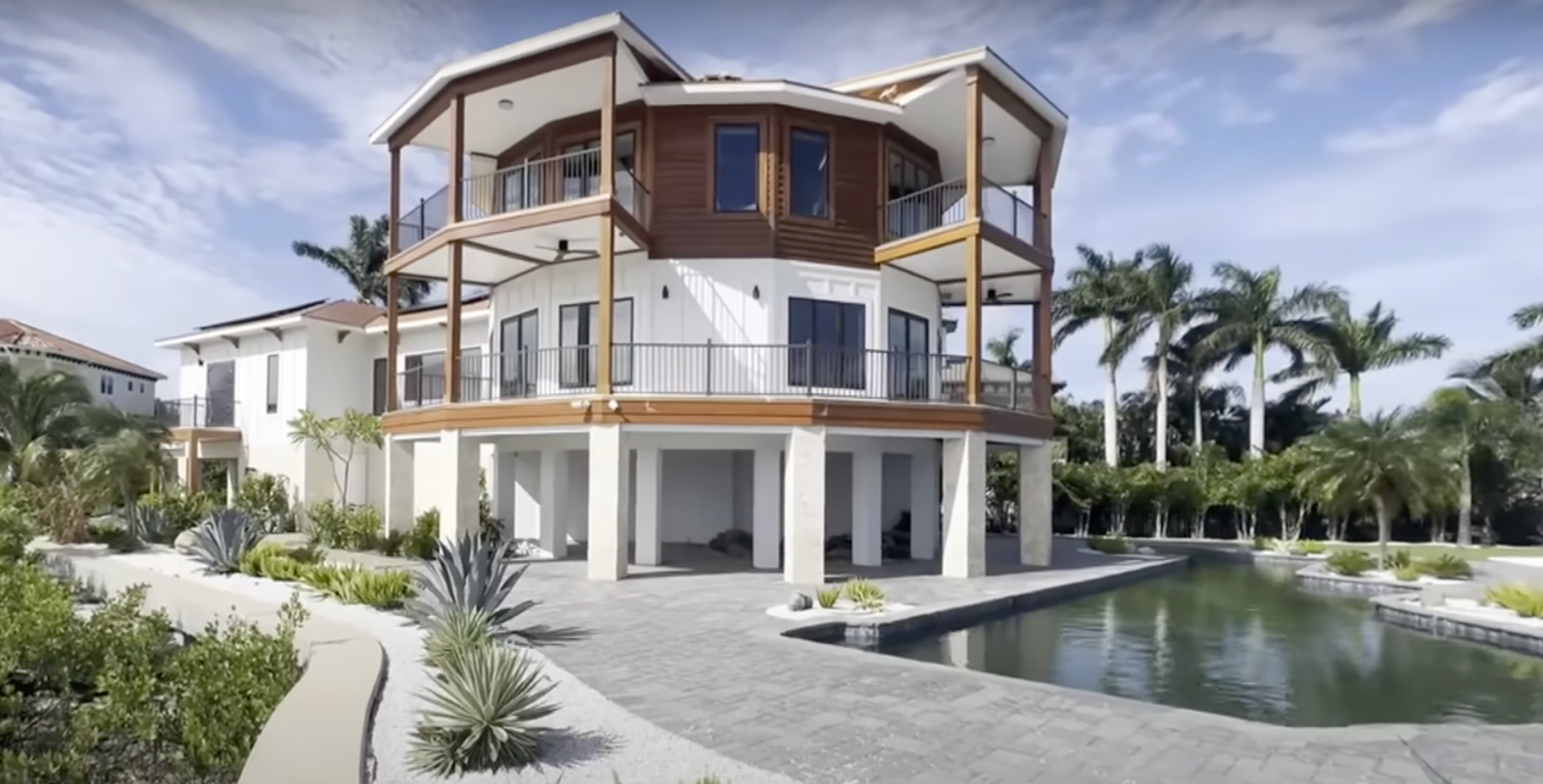
Older homes need upgrades to withstand strong winds and heavy rain. Retrofitting strengthens the roof, walls, and windows. It also secures doors and adds storm shutters.
- Install hurricane straps and clips on the roof
- Replace old windows with impact-resistant glass
- Seal gaps around doors and windows
- Reinforce garage doors
- Add storm shutters or plywood panels
Landscaping For Storm Defense
Good landscaping reduces wind damage and flooding risk. Trees and shrubs act as windbreaks. Proper grading directs water away from the house.
| Landscape Feature | Benefit | Tips |
| Windbreak Trees | Reduce wind speed | Plant on windward side |
| Shrubs | Protect windows | Keep trimmed and healthy |
| Rain Gardens | Absorb excess water | Use native plants |
| Proper Grading | Direct water away | Slope soil 5% away from foundation |
Insurance And Financial Preparedness
Insurance and money plans help you recover after a hurricane. Knowing your coverage and saving funds is key. This support helps fix damage fast.
- Review your home insurance policy yearly
- Add flood insurance if it is not included
- Keep important documents in a safe place
- Build an emergency savings fund
- Make a list of home valuables with photos

Credit: www.wjtv.com
Frequently Asked Questions
Can A Standard House Withstand A Category 3 Hurricane?
A standard house may survive a Category 3 hurricane if built to code. However, strong winds and flying debris can cause significant damage. Proper reinforcements and storm shutters increase chances of survival during such intense storms.
What Building Materials Help Houses Resist Category 3 Hurricanes?
Concrete, brick, and reinforced steel frames offer better protection against Category 3 hurricanes. These materials withstand high winds and flying debris better than wood or vinyl siding. Using impact-resistant windows also improves a house’s resilience during hurricanes.
How Important Is Roof Design In Hurricane Survival?
Roof design is crucial for hurricane survival. Hip roofs perform better than gable roofs against strong winds. Proper roof anchoring and using hurricane straps prevent roof uplift, minimizing structural damage during Category 3 hurricanes.
Should Homeowners Invest In Hurricane-proof Windows?
Yes, hurricane-proof windows help protect homes from wind and debris damage. These windows reduce breakage risks and maintain the building’s structural integrity. Investing in impact-resistant windows is a smart choice for hurricane-prone areas.
Conclusion
A Category 3 hurricane brings strong winds and heavy rain. Houses built with strong materials and good design stand better chances. Proper preparation can reduce damage and keep families safe. Still, no home is completely safe in such storms. It is smart to have an emergency plan ready.
Stay informed and act quickly during warnings. Protecting your home takes effort but is worth it. Safety always comes first.