Can Bugs Survive in Cold Weather: Shocking Survival Secrets Revealed
Ever wondered what happens to bugs when the temperature drops? You might think these tiny creatures would simply freeze and disappear, but the reality is far more intriguing.
As you cozy up in your warm home during the chilly months, bugs are out there using fascinating survival tactics to withstand the cold. Your curiosity about these resilient insects might just surprise you. Are they hibernating, migrating, or using some secret trick?
By the end of this article, you’ll not only have answers but also a newfound appreciation for these little survivors. Dive in, and let’s uncover the secrets of how bugs brave the cold weather.

Credit: www.purplecare.com
Bugs And Cold Weather
Many people wonder if bugs can live in cold weather. Bugs are small animals that react differently to cold temperatures. Some bugs survive winter by hiding or changing their body.
Cold weather can be hard for bugs. Their bodies work slower, and they may stop moving. But some bugs have special ways to stay alive during cold times.
How Cold Affects Insects
Cold weather slows down bugs because they are cold-blooded. This means their body temperature changes with the air around them. When it gets cold, bugs become less active.
Some bugs go into a deep sleep called diapause. They hide in safe places like under leaves or inside wood. Their bodies make special chemicals that act like antifreeze.
- Cold slows bug movement and growth
- Bugs hide to avoid freezing
- Some bugs produce antifreeze-like chemicals
- Diapause helps bugs survive winter
Common Myths About Bug Survival
Many myths exist about how bugs survive cold weather. Some say bugs die as soon as it gets cold. This is not true because many bugs live through winter.
Another myth is that bugs only live in warm places. Bugs live in cold areas too, but they use different ways to stay safe. Not all bugs freeze or die in winter.
- Bugs do not always die in cold weather
- Many bugs live in cold climates
- Freezing is not the only way bugs die
- Bugs adapt to cold with special strategies
Survival Strategies
Bugs face tough challenges in cold weather. They use special ways to survive freezing temperatures.
These survival strategies help bugs stay alive until warmer days return.
Antifreeze Proteins In Bugs
Some bugs produce antifreeze proteins. These proteins stop ice crystals from forming in their bodies.
Antifreeze proteins keep the bugs’ cells safe during freezing weather.
- They lower the freezing point of body fluids
- Prevent ice damage inside cells
- Help bugs survive very cold temperatures
Hibernation And Dormancy
Many bugs enter hibernation or dormancy in cold months. They slow down their body functions.
This state helps bugs save energy and survive when food is scarce and temperatures are low.
- Metabolism slows down greatly
- Movement and growth stop temporarily
- Bugs wait in this state until spring
Seeking Shelter And Microhabitats
Bugs find safe places to hide from cold. These spots protect them from harsh weather.
Microhabitats like under leaves or inside bark keep bugs warmer than outside air.
- Under rocks or logs
- Inside tree bark or leaf litter
- In soil or small crevices
Species That Thrive In Cold
Bugs live in many places, including very cold ones. Some insects can survive freezing temperatures. They have special ways to stay alive.
This article looks at bugs that do well in cold weather. They include insects from the Arctic and mountains, beetles that resist frost, and moths and flies that tolerate cold.
Arctic And Alpine Insects
Insects in the Arctic and high mountains face extreme cold. They survive by slowing down their body functions. Some produce antifreeze proteins that stop ice from forming inside them.
- Snow fleas can jump on snow surfaces.
- Ice crawlers live under rocks and snow.
- Alpine beetles hide under moss and leaf litter.
Frost-resistant Beetles
Beetles that resist frost make chemicals in their bodies. These chemicals lower the freezing point of their fluids. This helps them avoid damage from ice crystals.
| Beetle Species | Cold Adaptation |
| Mountain Pine Beetle | Produces antifreeze proteins |
| Winter Darkling Beetle | Stores glycerol in body fluids |
| Frost Tolerant Leaf Beetle | Seeks shelter under bark |
Cold-tolerant Moths And Flies
Some moths and flies survive cold by entering a dormant state. Their metabolism slows, and they avoid freezing. They also use shelters like tree bark or leaf litter.
Cold-tolerant moth and fly features include:
- Antifreeze proteins in their hemolymph
- Reduced water content to prevent ice formation
- Timing life cycles to avoid the coldest months
Credit: bedbugtreatmentkit.com
Adaptations At The Cellular Level
Bugs live in many places, even where it gets very cold. Their cells must change to survive freezing temperatures. These changes help bugs stay alive when most water freezes.
Cells in bugs use special tools to stop damage from cold. These tools protect important parts inside the cells. Let’s look at two key ways bugs protect themselves.
Cryoprotectants And Their Role
Cryoprotectants are chemicals inside bug cells. They stop ice crystals from forming. Ice crystals can hurt or break cells.
Common cryoprotectants include sugars and alcohols. They lower the freezing point of water in cells. This keeps the cells soft and flexible during cold times.
- Glycerol helps keep cell water liquid
- Sorbitol acts like antifreeze
- Trehalose protects cell structures
- These chemicals reduce ice damage
Cell Membrane Adjustments
Bugs change their cell membranes to handle cold. Membranes stay flexible so cells do not break. This helps cells work well in freezing weather.
One change is adding more unsaturated fats. These fats keep membranes soft. Bugs also adjust membrane proteins to keep balance inside cells.
- More unsaturated fats prevent stiffness
- Membrane proteins help control water flow
- These changes stop leaks during cold
- Adjustments protect cell from damage
Impact Of Climate Change
Climate change is altering temperatures worldwide. This shift affects many living creatures, including bugs. Cold weather survival for bugs is changing as winters become warmer or more erratic.
Understanding how bugs survive cold weather helps us see the broader effects of climate change. These changes can disrupt ecosystems and affect human health.
Changing Winter Survival Rates
Bugs depend on cold winters to limit their numbers. Warmer winters let more bugs survive. This can lead to bigger populations in spring and summer.
- Warmer winters reduce natural bug deaths.
- Some bugs change their hibernation patterns.
- Increased survival can lead to more crop pests.
- New species may invade areas they could not survive before.
Effects On Bug Populations
Bug populations respond differently depending on the species and location. Some grow larger, while others struggle. These changes affect food chains and plant health.
| Bug Type | Winter Survival Change | Impact |
| Mosquitoes | Increased | Higher disease risk |
| Aphids | Increased | More crop damage |
| Ladybugs | Stable | Help control pests |
| Beetles | Variable | Some species expanding range |

Credit: www.callnorthwest.com
Human Interaction And Pest Control
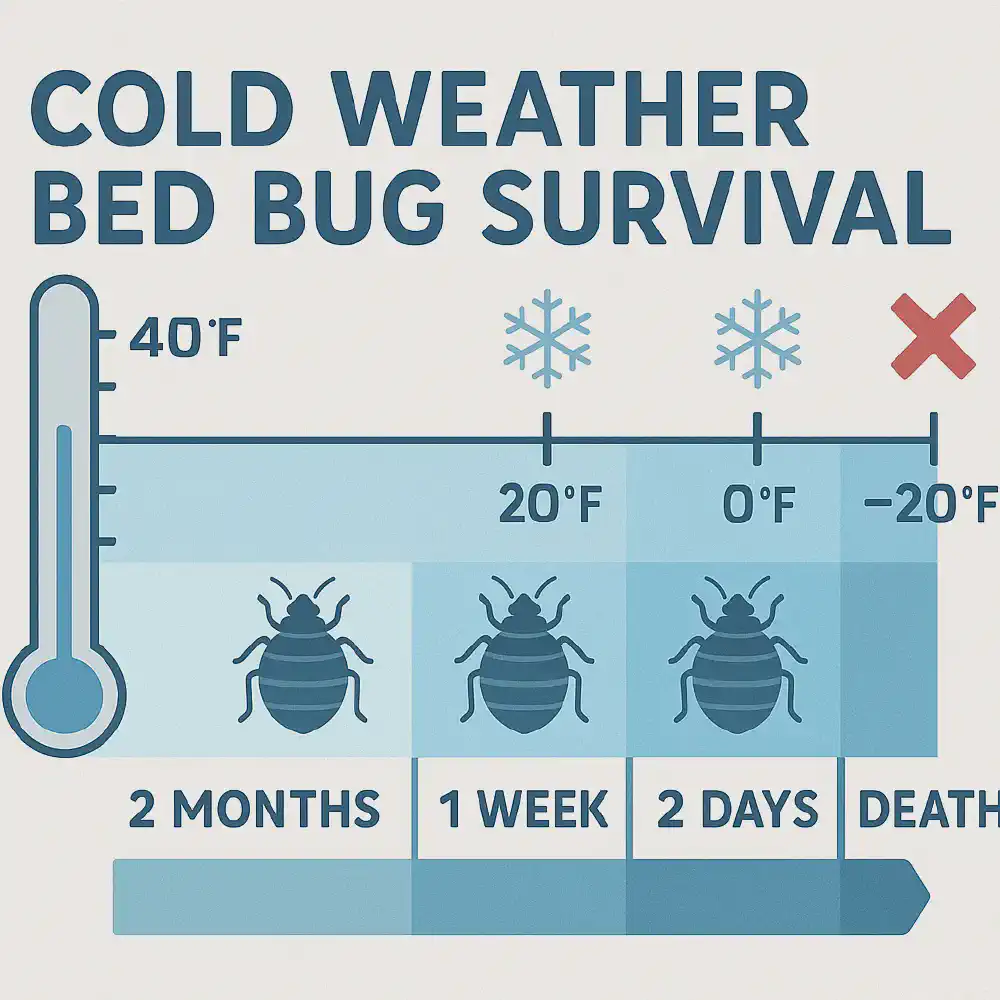
Cold weather affects how bugs survive and interact with humans. As temperatures drop, many insects seek warmth inside homes. This can increase the chance of pest problems during winter.
Pest control is important in cold months. Understanding bug behavior helps manage infestations better and keeps homes safe and clean.
Cold Weather And Pest Management
Most bugs slow down or die in cold weather. Some insects hide in warm places like basements or walls. They can stay active and breed inside buildings.
- Seal cracks and gaps in walls and windows
- Keep firewood and debris away from the house
- Use weather stripping on doors
- Maintain clean and dry indoor areas
- Set traps or use safe pesticides if needed
Preventing Bug Infestations In Winter
Preventing bugs in winter needs regular checks and cleaning. Stop bugs before they enter to reduce damage and discomfort.
| Prevention Method | Description |
| Inspect Home | Look for entry points and seal them |
| Remove Food Sources | Store food in sealed containers |
| Control Moisture | Fix leaks and keep areas dry |
| Reduce Clutter | Clear places where bugs hide |
| Professional Help | Call pest control for severe problems |
Frequently Asked Questions
Can Bugs Survive Freezing Cold Temperatures?
Many bugs survive freezing by producing antifreeze proteins. These proteins prevent ice formation in their bodies. They enter a dormant state to conserve energy during cold months. Some species burrow underground or hide in protected places to avoid extreme cold.
How Do Insects Adapt To Winter Cold?
Insects adapt by slowing metabolism and entering diapause, a hibernation-like state. They find shelters like tree bark or soil. Some insects produce glycerol, which acts as natural antifreeze. These adaptations help them survive until warm weather returns.
Do All Bugs Die In Winter?
Not all bugs die in winter. Some species die off, but others survive as eggs, larvae, or adults. Survival depends on species, climate, and habitat. Many insects have evolved strategies to endure cold seasons successfully.
What Is Diapause In Cold-weather Insects?
Diapause is a state of suspended development during adverse conditions. It helps insects survive cold by reducing metabolic activity. This pause allows them to conserve energy until favorable temperatures return. Diapause timing varies among species and environments.
Conclusion
Bugs have surprising ways to survive cold weather. Some slow down, others find warm spots. They can freeze a little without dying. Nature helps them stay safe through winter. This shows bugs are tougher than we think. Understanding this helps us respect all creatures.
Cold does not always mean the end for bugs. Their survival tricks are part of nature’s plan. Watching them adapt can teach us about life. Bugs remind us that life finds a way.