How Did Natives Survive Hurricanes: Ancient Wisdom Uncovered
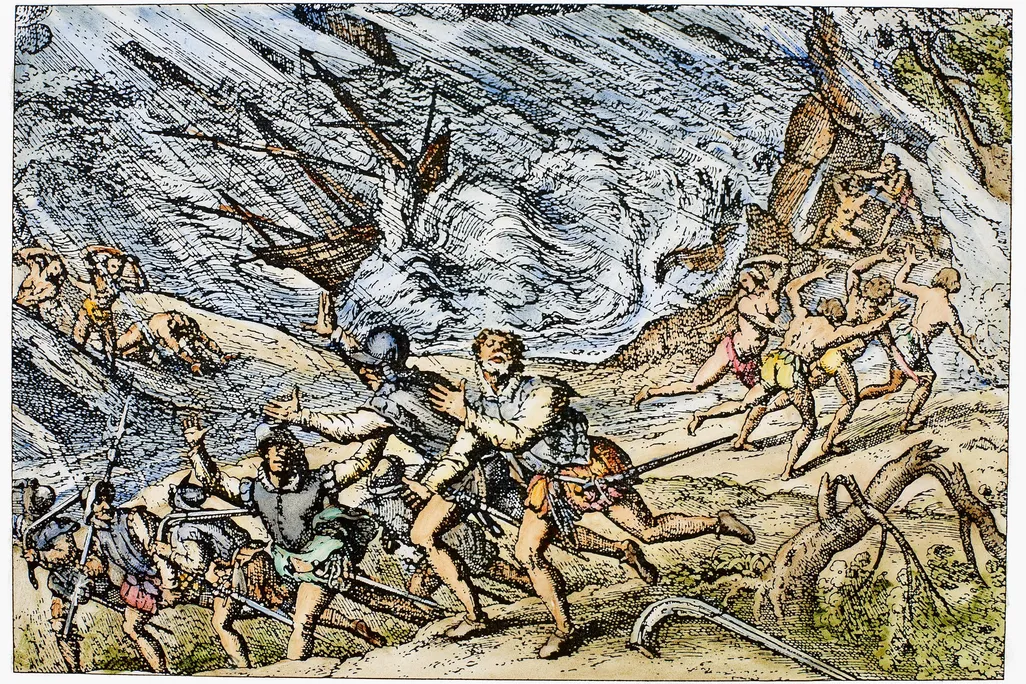
Imagine standing on a coastline, feeling the powerful force of nature as a hurricane approaches. It’s a scenario that would terrify most of us today.
But have you ever wondered how the native people, with no modern technology or weather forecasts, managed to survive such fierce storms? You might be surprised to learn that they not only survived but thrived in these harsh conditions. Their secrets are rooted in a deep understanding of nature and a set of survival skills passed down through generations.
By exploring these time-tested methods, you can gain insights that might change the way you view both hurricanes and your own ability to face challenges. Curious to uncover these ancient strategies? Read on to discover how the natives’ wisdom can inspire you.
Credit: medium.com
Ancient Hurricane Knowledge
Native people learned how to survive hurricanes long ago. They watched nature and shared their knowledge. This helped them prepare for storms.
They used stories and signs in nature to predict hurricanes. Their understanding came from close observation and experience.
Oral Traditions And Stories
Native tribes passed hurricane knowledge through stories. Elders told tales about past storms and survival tips. These stories taught respect for nature’s power.
Stories often described warning signs and safe places. They helped communities prepare and protect themselves during hurricanes.
- Warnings from animals behaving strangely
- Stories about great storms and floods
- Lessons on building homes strong against wind
- Safe areas to move to during storms
Seasonal Patterns And Signs
Natives watched the seasons to know when hurricanes might come. They noticed patterns in weather and nature. This helped them get ready early.
They looked for signs like changes in wind and clouds. Animals also acted differently before a storm. These signs warned people to prepare.
- Strong winds from the ocean before storms
- Dark, heavy clouds gathering in the sky
- Unusual quietness or restlessness in animals
- Changes in sea tides and waves
Natural Shelter Techniques
Native people used natural shelter techniques to survive hurricanes. They knew how to pick safe places and build strong homes. Their methods helped protect them from strong winds and heavy rain.
These techniques relied on understanding the land and using materials around them. This knowledge was passed down through generations to keep communities safe.
Choosing Safe Locations
Natives chose places that reduced hurricane damage. They looked for higher ground to avoid flooding. They also picked spots shielded by hills or trees to block strong winds.
- High ground to prevent flood damage
- Near dense forests to act as wind barriers
- Away from open beaches to avoid storm surges
- Close to fresh water sources for survival needs
Building Durable Structures
They built homes using strong natural materials like wood, bamboo, and palm leaves. These materials could bend without breaking during storms. They also shaped the homes to let wind pass through, reducing pressure on walls.
| Material | Purpose | Benefit |
| Wood | Frame | Strong and flexible |
| Bamboo | Support beams | Lightweight and tough |
| Palm Leaves | Roof covering | Waterproof and wind-resistant |
| Clay or Mud | Wall filler | Insulates and holds structure |
Resource Management
Native people used smart ways to manage resources during hurricanes. They prepared to protect food and water. This helped them survive harsh weather.
Good planning kept resources safe and lasting longer. They knew how to store food and collect clean water.
Food Preservation Methods
Natives preserved food to use after storms when hunting was hard. They used drying, smoking, and storing in cool places.
Drying food removed moisture to stop spoilage. Smoking added flavor and kept food safe. Cool storage slowed down rotting.
- Sun-drying fruits, vegetables, and meat
- Smoking fish and meat over low fires
- Burying food in cool, shaded pits
- Using natural containers to keep food dry
Water Collection And Storage
Natives collected rainwater and stored it safely. They used natural containers like gourds or clay pots. Clean water was very important.
They also found ways to keep water fresh. This helped during and after hurricanes when water sources got dirty.
- Collecting rainwater in large containers
- Storing water in sealed pots or gourds
- Choosing clean spots for water storage
- Using plants to filter and purify water
Credit: www.indefenseofplants.com
Community Cooperation
Native communities survived hurricanes through strong cooperation. They shared tasks and helped each other during tough times.
Working together kept everyone safer and made recovery faster after storms.
Shared Responsibilities
Each person in the community had a role to help before and after hurricanes. This teamwork ensured no one was left behind.
- Elders taught safety and survival skills.
- Youths helped with gathering food and water.
- Leaders organized shelter and plans.
- Families secured homes and belongings.
- Everyone checked on neighbors and shared resources.
Emergency Communication
Clear communication was key to keep the community informed and safe. They used simple methods that everyone understood.
| Method | Description |
| Drums | Sent signals to warn about storms or call for help |
| Smoke Signals | Showed direction of danger or location of safe spots |
| Messengers | Carried news and instructions between groups |
| Community Meetings | Gathered to share updates and plans |
Spiritual Practices And Protection
Native communities used spiritual practices to face hurricanes. They believed nature had spirits to respect and honor.
These rituals helped them feel safe and prepared during storms. Spiritual protection was as important as physical safety.
Rituals For Safety
Before storms, natives performed rituals to ask for protection. They used prayers, songs, and dances to honor nature spirits.
- Lighting sacred fires to invite protection
- Offering food and gifts to water spirits
- Chanting prayers for calm winds and rain
- Dancing to connect with the earth and sky
- Gathering in circles for shared strength and hope
These acts built community trust and spiritual strength. They believed these rituals helped reduce damage and keep families safe.
Symbolic Warnings
Natives watched nature signs to predict storms. They believed animals and the sky sent warnings about coming hurricanes.
| Symbol | Meaning |
| Birds flying low | Storm is near |
| Dark red sky | Strong winds coming |
| Calm before storm | Hurricane approaching |
| Animal silence | Danger is close |
These signs helped communities prepare quickly. They moved to safer places and secured their homes.

Credit: www.reddit.com
Lessons For Modern Resilience
Native people survived hurricanes long before modern tools existed. They used smart ways to stay safe and protect their homes. These old ways can teach us how to handle storms today.
Understanding how natives adapted to hurricanes helps us build stronger communities. We can use their knowledge to prepare better and reduce damage.
Adapting Ancient Methods Today
Natives watched the weather and nature to predict storms. They moved to higher ground and built homes to resist strong winds and floods. These ideas still work well.
Using natural materials like wood and palm leaves made homes flexible. Flexible homes are less likely to break in storms. People can copy these simple building tricks now.
- Build houses on raised land or stilts
- Use flexible, natural materials for walls and roofs
- Plant trees to block strong winds
- Watch nature signs to prepare early
Integrating Traditional And Modern Strategies
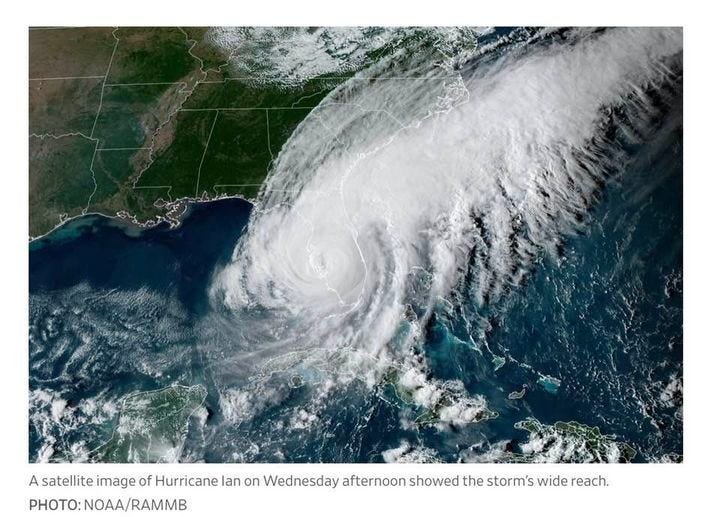
Modern technology helps us track hurricanes with satellites and weather reports. Combining this with native knowledge creates better safety plans. This mix can save many lives.
Communities can build strong shelters using both old and new ideas. They can also teach people how to stay calm and act fast during storms. Working together makes us safer.
- Use weather forecasts along with natural signs
- Build homes using both modern materials and traditional designs
- Create emergency plans based on old survival skills
- Educate communities on storm preparedness
Frequently Asked Questions
How Did Natives Predict Hurricanes Before Modern Technology?
Natives used natural signs like animal behavior, wind patterns, and cloud formations. They observed sea changes and atmospheric pressure drops to anticipate storms early.
What Materials Did Natives Use To Build Hurricane-resistant Homes?
They built homes from flexible natural materials like wood, palm leaves, and thatch. These materials absorbed wind impact and allowed structures to sway without collapsing.
How Did Native Communities Prepare For Hurricane Evacuations?
Natives identified safe locations such as caves or high ground. They stored food, water, and essentials to survive during and after hurricanes.
What Survival Skills Did Natives Rely On During Hurricanes?
They practiced fire-making, fishing, and first aid. These skills ensured they could find food, stay warm, and treat injuries post-storm.
Conclusion
Natives survived hurricanes by using nature’s signs and strong community bonds. They built homes with tough materials and smart designs. They shared knowledge about storms and safe places to go. Their deep respect for the environment helped them stay prepared.
These lessons still teach us how to face hurricanes today. Understanding their ways can make us safer and wiser. Nature’s power is strong, but people’s spirit is stronger.