Can Pythons Survive in Cold Weather: Shocking Truth Revealed
Are you curious about how pythons, those captivating creatures of the wild, manage to survive in cold weather? If you’ve ever wondered whether these cold-blooded reptiles can endure chilly climates, you’re not alone.
Pythons are fascinating animals with unique characteristics, but their survival in colder temperatures might not be as straightforward as you think. What happens when the temperature drops? How do they adapt, and what challenges do they face? As you read on, you’ll uncover the intriguing strategies pythons use to navigate their environment when the mercury falls.
Get ready to explore the surprising truths about pythons and cold weather, and discover why their survival tactics might just captivate your imagination.

Credit: animal-pedia.org
Python Habitat And Climate
Pythons live in different places like forests, grasslands, and swamps. They need warm climates to survive and grow well.
This article looks at where pythons live and how cold weather affects them. Understanding their habitat helps us know their temperature needs.
Natural Environment Of Pythons
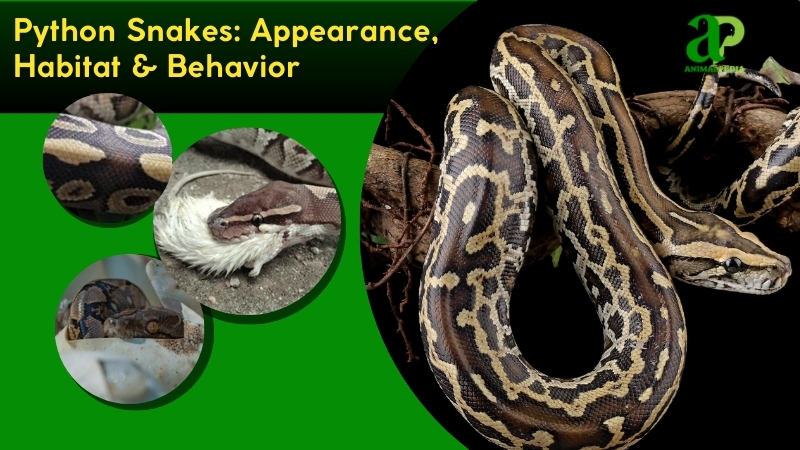
Pythons usually live in tropical and subtropical areas. They are found in parts of Africa, Asia, and Australia.
These snakes prefer places with dense vegetation, like rainforests and woodlands. They like areas near water, such as rivers and lakes.
- Rainforests with thick trees
- Grasslands and savannas
- Swamps and wetlands
- Near rivers and lakes
Temperature Preferences
Pythons need warm temperatures to stay active. They usually live where temperatures stay above 70°F (21°C).
In cold weather, pythons become slow and may stop eating. They cannot survive freezing temperatures for long.
- Ideal temperature: 80°F to 95°F (27°C to 35°C)
- Below 70°F (21°C), they become inactive
- Freezing temperatures can be fatal
- They use sunlight to warm their bodies

Credit: www.miamiherald.com
Effects Of Cold On Pythons
Pythons are cold-blooded animals. Their body temperature changes with the environment.
Cold weather can cause many problems for pythons. It affects their health and behavior.
Physiological Impact
Cold lowers a python’s body temperature. Their organs work slower in cold weather.
Low temperatures reduce their metabolism. This means they need less energy but heal slower.
- Slower digestion and food processing
- Reduced immune system function
- Lower muscle activity and strength
- Risk of frostbite in very cold places
Behavioral Changes
Pythons move less in cold weather to save energy. They often hide in warm places.
They may stop eating during cold periods. This helps them avoid using energy for digestion.
- Seek shelter under rocks or logs
- Stay still for long periods
- Reduce hunting and activity levels
- Use sunbathing to warm up when possible
Adaptations For Cold Survival
Pythons are reptiles that usually live in warm places. Cold weather can be hard for them. They have special ways to survive when it gets cold.
This section explains how pythons adapt to cold weather to stay alive. They use behaviors like resting deeply and finding safe spots.
Hibernation And Brumation
Pythons do not hibernate like some mammals. Instead, they go into brumation. Brumation is a slow-down of their body functions during cold times.
- They stop eating and move less.
- Their heart rate and breathing slow down.
- They stay hidden to save energy.
- Brumation helps them avoid freezing.
Seeking Shelter
Pythons find places that protect them from cold and wind. Shelters keep their body warm enough to survive.
| Shelter Type | Protection Level | Common Location |
| Burrows | High | Underground |
| Rock Crevices | Medium | Rocky Areas |
| Dense Vegetation | Low | Forests |
Risks Of Cold Exposure
Pythons are reptiles that depend on warmth to live well. Cold weather can cause serious risks to their health. It is important to understand these dangers to keep them safe.
Cold exposure affects their body functions and survival chances. This section explains health problems and death rates linked to cold conditions.
Health Complications
When pythons get too cold, their bodies slow down. This can cause many health problems, such as:
- Weak immune system, leading to infections
- Slow digestion and inability to absorb food
- Muscle stiffness and loss of movement
- Breathing difficulties due to cold stress
- Reduced ability to heal wounds
These complications make pythons weak and less able to escape predators or hunt for food.
Mortality Rates
Cold weather greatly increases python death rates. Young and sick pythons are most at risk. The table below shows how mortality rises as temperature drops.
| Temperature (°F) | Mortality Rate (%) |
| Above 70 | 5 |
| 60 – 70 | 20 |
| 50 – 60 | 50 |
| Below 50 | 80 |
Human Influence On Python Survival
Pythons face many challenges in cold weather. Human actions affect their survival a lot. People keep pythons in captivity and try to protect them in the wild.
This article looks at how humans impact pythons in cold places and the problems with protecting them.
Captive Care In Cold Climates
In cold climates, people must give special care to pythons in captivity. Pythons need warmth to stay healthy. If they get too cold, they can become sick or weak.
- Use heating lamps or pads to keep the enclosure warm
- Keep humidity at the right level to prevent skin problems
- Feed pythons food that matches their natural diet
- Check for signs of illness caused by cold temperatures
Conservation Challenges
Protecting wild pythons in cold areas is hard. Human activity changes their habitats and affects their food sources. This makes survival difficult.
| Threat | Effect on Pythons | Human Role |
| Habitat loss | Less space to live | Deforestation and land use |
| Climate change | Unstable temperatures | Greenhouse gas emissions |
| Poaching | Population decline | Illegal hunting and trade |
| Pollution | Health problems | Waste and chemicals in nature |
Case Studies Of Pythons In Cold Regions
Pythons usually live in warm places. Cold weather can be hard for them. Some pythons have faced cold climates and tried to survive.
This article looks at real cases where pythons lived in cold areas. We will see stories of survival and times when they could not adapt.
Survival Stories
Some pythons have managed to live in colder places by changing their behavior. They find warm spots and slow down their body activities.
- One python in the southern U.S. hid under thick leaves to stay warm during winter.
- Another python in China moved to underground burrows to escape freezing temperatures.
- Scientists observed pythons lowering their metabolism to save energy in cold months.
Failed Adaptations
Not all pythons survive cold weather. Some try to adapt but fail because their bodies are not made for freezing temperatures.
| Location | Python Species | Reason for Failure | Outcome |
| Northern India | Indian Python | Exposure to frost | Lost limbs and died |
| Russia | Burmese Python | Inability to find warm shelters | High mortality rate |
| Japan | Reticulated Python | Low metabolism not sufficient | Failed reproduction |
Credit: animal-pedia.org
Frequently Asked Questions
Can Pythons Survive In Freezing Temperatures?
Pythons are cold-blooded reptiles and cannot survive freezing temperatures. They rely on external heat to regulate their body temperature. Prolonged exposure to cold can cause hypothermia and death. They thrive best in warm, tropical climates and seek shelter during cooler periods.
How Do Pythons Regulate Body Temperature In Cold?
Pythons regulate their body temperature behaviorally by basking in the sun or hiding under warm surfaces. They are unable to generate internal heat. During cold weather, they reduce activity and metabolism to conserve energy, but they cannot survive extreme cold without heat sources.
What Happens To Pythons In Cold Weather?
In cold weather, pythons become sluggish and less active. Their metabolism slows down, leading to reduced feeding and movement. Prolonged cold exposure can cause health issues or death. They seek warm microhabitats to avoid cold stress and survive until temperatures rise.
Can Pythons Adapt To Cold Climates?
Pythons have limited ability to adapt to cold climates. They are native to tropical and subtropical regions. Adaptation to cold is minimal, so survival depends on finding warm shelters. Without heat, their survival chances decrease significantly in cold environments.
Conclusion
Pythons need warm places to live and grow well. Cold weather can make them slow and weak. They cannot stay active or hunt when it is too cold. In cold climates, they often hide or stay still to survive. This means pythons do not do well in cold areas for long.
Knowing this helps us care for them better. Keep their homes warm and safe. That way, pythons stay healthy and happy.