Can Palm Trees Survive in Cold Weather: Expert Tips & Facts
Have you ever wondered if those iconic palm trees, which evoke images of sunny beaches and tropical getaways, can withstand the chill of winter? You might be surprised to learn that some palms are tougher than they look.
Whether you’re a gardening enthusiast or simply curious, understanding how these tropical beauties fare in cold weather can be both fascinating and practical. You’ll uncover the secrets to helping palm trees thrive even when temperatures drop, and discover if your landscape dreams can include these exotic plants.
So, get ready to explore the surprising resilience of palm trees, and learn how you can create a little slice of paradise, no matter where you live.
Palm Trees And Cold Climate
Palm trees usually grow in warm places. Cold weather can harm many palm types. But some palms survive cold climates well.
Understanding which palms handle cold helps you pick the right tree. This guide shows cold-hardy palms and their temperature limits.
Types Of Cold-hardy Palms
Some palms tolerate cold better than others. These types can live in cooler areas and still grow strong.
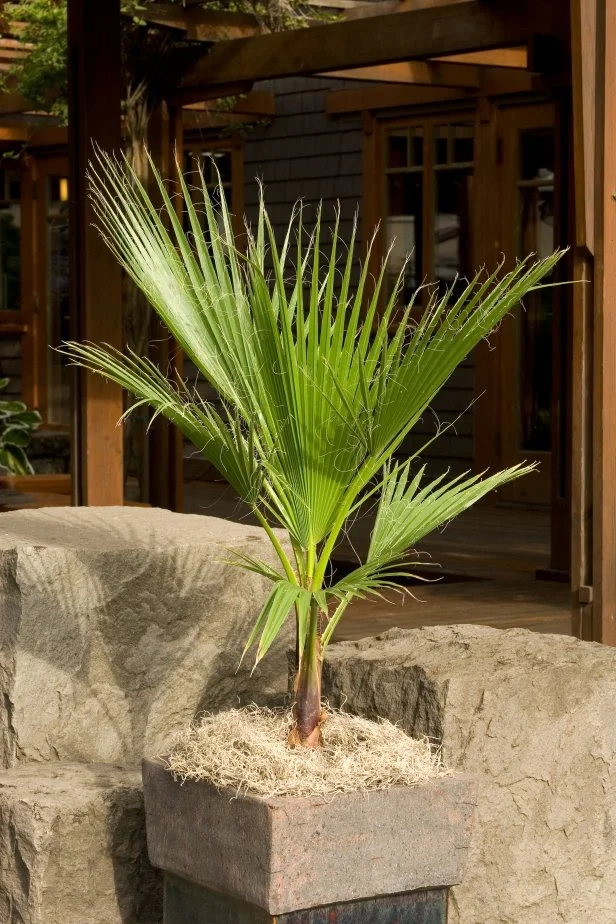
- Windmill Palm (Trachycarpus fortunei)
- Needle Palm (Rhapidophyllum hystrix)
- European Fan Palm (Chamaerops humilis)
- Pindo Palm (Butia capitata)
- Hardy Sabal Palm (Sabal minor)
Temperature Tolerance Levels
Each palm type has a limit for how cold it can get. Knowing these limits helps protect your palms from frost damage.
| Palm Type | Lowest Temperature Tolerated | Notes |
| Windmill Palm | 5°F (-15°C) | Survives short freezes with little damage |
| Needle Palm | 0°F (-18°C) | One of the most cold-hardy palms |
| European Fan Palm | 10°F (-12°C) | Handles cold but dislikes wet soil in winter |
| Pindo Palm | 15°F (-9°C) | Fruits even in cooler climates |
| Hardy Sabal Palm | 0°F (-18°C) | Slow grower but very cold-tolerant |
Credit: www.hgtv.com
Effects Of Cold On Palm Trees
Palm trees usually grow in warm places. Cold weather can hurt them badly. Some palms can survive mild cold, but hard freezes cause damage.
Cold affects palms by freezing their water inside the cells. This harms the leaves and slows down growth. Understanding cold effects helps protect palms better.
Frost Damage Symptoms
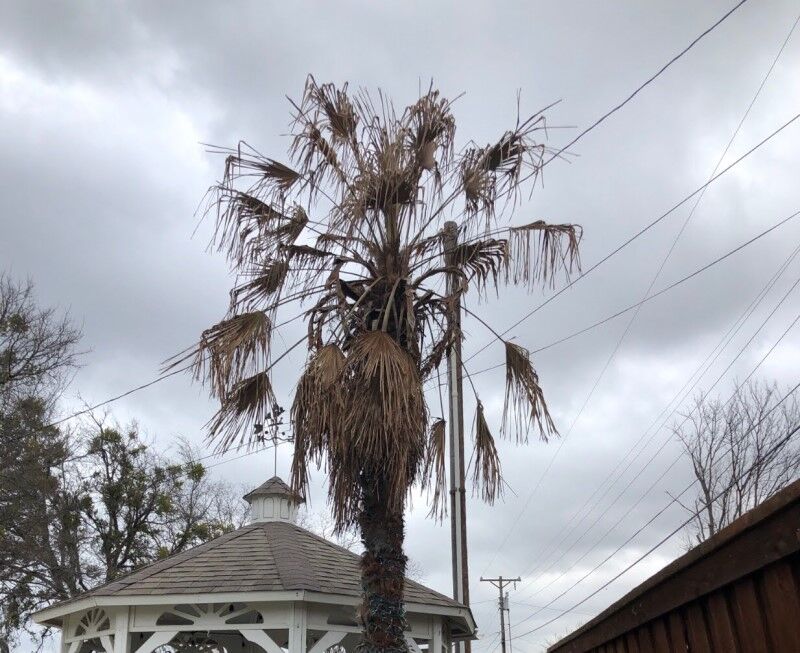
Frost makes palm leaves turn brown or black. The edges may look dry and crispy. Sometimes, the leaves droop or break easily.
Severe frost can kill new shoots and cause the tree to lose leaves. The trunk might show dark patches where frost injured it.
- Brown or black leaf tips
- Dry and crispy edges
- Drooping or broken leaves
- Dark spots on trunk
- Loss of new growth
Impact On Growth And Health
Cold slows palm tree growth. The tree uses energy to repair frost damage. This weakens the palm and reduces its ability to grow new leaves.
Repeated cold stress can cause permanent damage. The palm may become more prone to diseases and pests. It might even die if cold is too severe.
Preparing Palms For Winter
Palm trees are tropical plants that usually like warm weather. Cold weather can harm them if they are not ready. Preparing your palms for winter helps them survive the cold months.
Proper care before winter can keep your palms healthy. This care includes choosing the right place and protecting the soil around them.
Proper Site Selection
Pick a spot that has good sun exposure and is shielded from cold winds. South-facing locations are warmer and safer for palms in winter.
Avoid low areas where cold air can settle. Planting near a wall or fence can give extra warmth and protection.
Soil And Mulching Tips
Use well-draining soil to stop water from freezing around the roots. Wet, cold soil can damage palm roots in winter.
Mulch helps keep the soil warm and moist. Apply a thick layer of mulch around the base of the palm tree before cold weather comes.
- Use straw, wood chips, or shredded bark as mulch
- Keep mulch a few inches away from the trunk
- Mulch layer should be 3 to 4 inches thick
- Mulch keeps soil temperature steady and protects roots
Protective Measures During Cold Spells
Palm trees are tropical plants that do not like cold weather. Cold spells can harm their leaves and roots. Taking steps to protect them helps them survive winter chills.
There are simple methods to keep palm trees safe from frost and freezing temperatures. Using covers or heating techniques can make a big difference.
Using Covers And Wrapping
Covering palm trees shields them from frost and icy winds. Use breathable materials to avoid moisture buildup. Wrapping the trunk adds extra protection.
- Use frost cloths or burlap to cover the crown and fronds.
- Wrap the trunk with burlap or insulation tape.
- Secure covers with ties or stakes to prevent wind damage.
- Remove covers during the day to allow sunlight and air flow.
- Add mulch around the base to keep roots warm.
Heating Techniques
Heating helps keep palm trees warm during very cold nights. Small heat sources can raise the temperature around the tree.
| Heating Method | Description | Best Use |
| String Lights | Wrap warm white lights around the trunk and fronds. | Small to medium palm trees. |
| Heat Lamps | Place lamps near the base, keeping safe distance. | Large trees or very cold areas. |
| Soil Heating Cables | Install cables under mulch to warm the roots. | Long-term protection for sensitive palms. |
| Portable Heaters | Use cautiously to avoid fire hazards. | Temporary protection during severe cold. |
After-cold Care For Palms
Cold weather can harm palm trees. After a freeze, proper care helps them recover. This care improves their health and appearance.
Focus on removing damaged parts and giving the right nutrients. Watering is also key to help palms bounce back.
Pruning Damaged Fronds
Remove brown or broken fronds soon after cold damage. This stops pests and diseases from spreading. Use clean tools to avoid infection.
- Cut fronds close to the trunk without harming it
- Do not remove green fronds; they help the palm recover
- Wear gloves to protect your hands from sharp edges
- Dispose of cut fronds away from the palm area
Fertilizing And Watering
Feed your palm with a balanced fertilizer to restore nutrients. Water it well but avoid waterlogging. Both help the palm grow strong again.
| Fertilizer Type | Application Frequency | Watering Tips |
| Slow-release palm fertilizer | Every 3 months | Deep soak once a week |
| Organic compost | Once after cold season | Adjust watering in rainy weather |
| Liquid seaweed extract | Monthly foliar spray | Water early morning or late afternoon |
Credit: blog.davey.com
Common Myths About Palms And Cold
Many people think palm trees cannot live in cold weather. This idea is not always true. Some palms can survive cold temperatures better than others.
This article explains common myths about palms and cold. It helps you understand which facts are true and which are not.
Myth: All Palm Trees Die In Frost
People often say frost kills all palm trees. In reality, some palm species can survive light frost and even brief freezes. Cold-hardy palms have special features to protect themselves.
Myth: Palms Need Warm Weather Year-round
Another common myth is that palms need constant warmth. Some palms enter a slow growth phase in cold weather but do not die. They can resume growing once temperatures rise.
Myth: All Palm Damage Is From Cold
Not all damage to palms is from cold. Sometimes pests or diseases cause problems that look like cold damage. It is important to check carefully before blaming the weather.
Cold Tolerance Of Different Palm Types
| Palm Type | Cold Tolerance | Notes |
| Windmill Palm | Can survive down to 5°F (-15°C) | Very cold hardy |
| Needle Palm | Can survive to -10°F (-23°C) | One of the hardiest palms |
| Queen Palm | Survives light frost above 28°F (-2°C) | Sensitive to hard freezes |
| Coconut Palm | Cannot survive frost | Needs tropical climate |
Expert Recommendations
Palm trees can survive cold weather if you choose the right type. Some species handle cold better than others.
Taking care of palms in cold climates needs special attention. Follow expert tips to keep them healthy.
Choosing The Right Species
Select palm species that tolerate cold and frost well. Some types can survive temperatures below freezing.
- Windmill Palm: Tolerates cold down to 5°F (-15°C).
- Needle Palm: Survives in temperatures as low as -10°F (-23°C).
- European Fan Palm: Can handle brief cold snaps around 10°F (-12°C).
- Pindo Palm: Hardy to about 15°F (-9°C).
- Sabals: Some species endure cold and wind.
Long-term Maintenance Tips
| Care Aspect | Recommendation |
| Mulching | Use thick mulch to protect roots from freezing. |
| Watering | Reduce watering in winter to prevent root rot. |
| Wrapping | Wrap trunks with frost cloth or burlap during cold spells. |
| Location | Plant palms in sheltered areas away from harsh winds. |
| Pruning | Remove dead fronds to reduce disease risk. |

Credit: texastreesurgeons.com
Frequently Asked Questions
Can Palm Trees Survive Freezing Temperatures?
Palm trees can survive mild frost but struggle in freezing temperatures below 32°F. Cold-hardy varieties handle brief freezes better than tropical ones. Prolonged freezing damages leaves and roots, often killing the tree.
Which Palm Species Tolerate Cold Weather Best?
Cold-hardy palms like Windmill, Needle, and Sabal Palms thrive in colder climates. These species withstand temperatures as low as 5°F to 20°F. They are ideal for gardeners in temperate zones seeking palm aesthetics.
How Can I Protect Palm Trees From Cold Damage?
Wrap trunks with frost cloths and mulch roots heavily to insulate them. Water palms well before cold snaps to prevent dehydration. Using heat lamps or lights can also help during extreme cold spells.
Do Palm Trees Lose Leaves In Cold Weather?
Yes, cold stress often causes palm fronds to brown and drop. Leaf loss is a defense mechanism to reduce energy use during harsh conditions. New fronds usually grow back when warmer weather returns.
Conclusion
Palm trees can survive cold weather with proper care and protection. Some species handle cold better than others. Using covers or planting in sheltered spots helps. Watch for frost and water needs during winter. Cold-resistant palms bring beauty to cooler climates.
With patience and effort, they can thrive outside warm zones. Growing palm trees in cold areas is possible. Just choose the right type and protect them well.