How Did the Air Crete Dome Homes Survive the Hurricane: Unbelievable Strength Revealed
Imagine a home so sturdy that it can stand up to the might of a hurricane. Sounds like something out of a science fiction novel, doesn’t it?
But this is not fiction; it’s the reality of Air Crete dome homes. These unique structures have captured attention for their remarkable resilience against nature’s fiercest storms. You might be wondering, how exactly do these homes withstand such powerful forces?
We will explore the fascinating science behind Air Crete dome homes and their ability to survive hurricanes. You’ll discover the secrets of their strength and why they might be the future of hurricane-resistant living. Stay with us as we unravel this intriguing story, and you might find yourself considering one of these innovative homes for your next abode.

Credit: domehouse.com
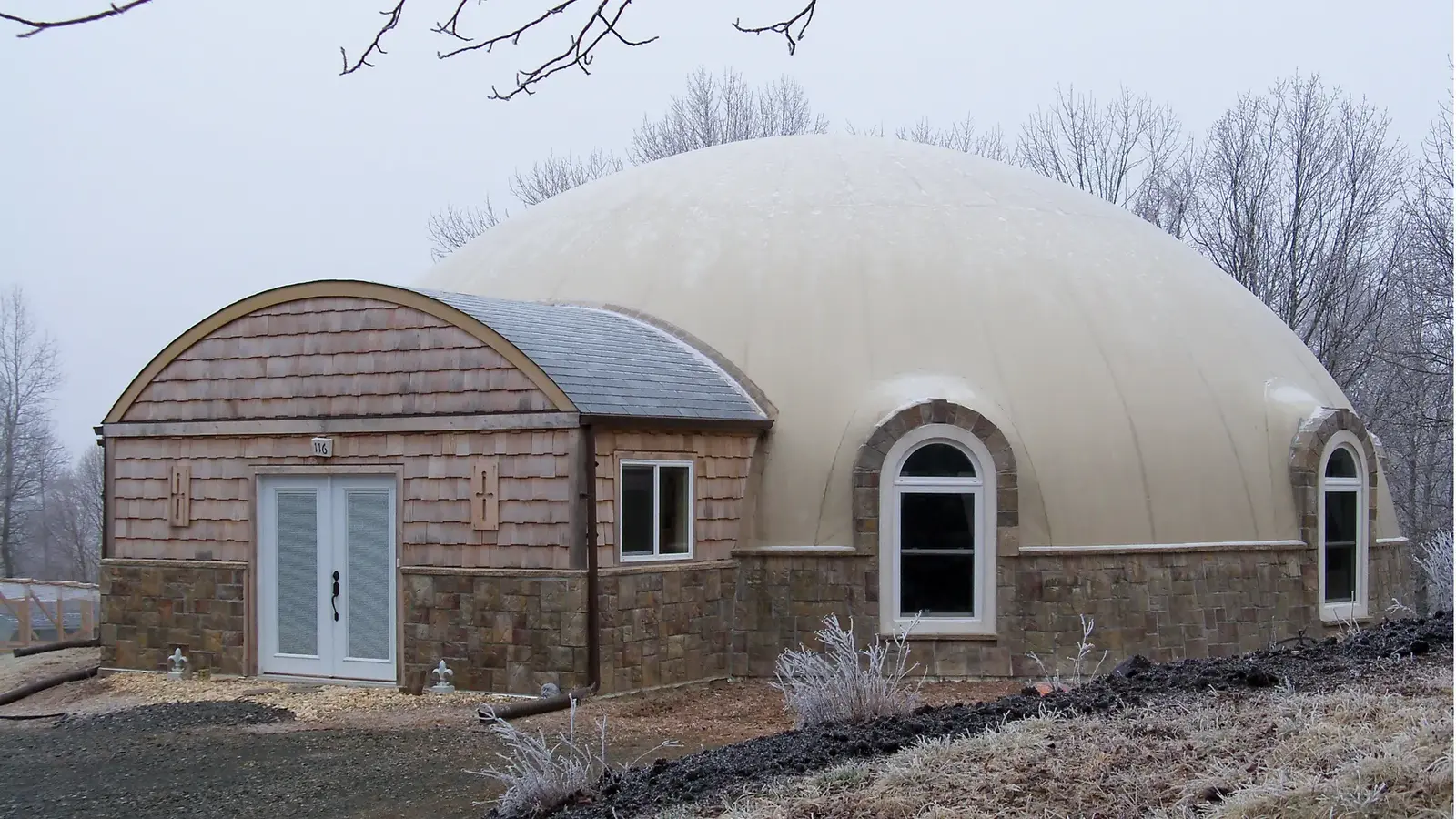
Air Crete Dome Homes Design
Air Crete dome homes have shown strong resistance to hurricanes. Their unique design helps them stand firm against extreme weather. These homes use special materials and shapes to stay safe.
The design focuses on strength and durability. It combines smart engineering with efficient materials. This makes the homes both sturdy and comfortable.
Materials Used In Construction
Air Crete homes are built with a lightweight concrete called aircrete. This material mixes cement, water, and air bubbles. It creates a strong but light building block.
- Aircrete blocks provide good insulation.
- The material is fire-resistant and pest-proof.
- It absorbs less water, reducing damage.
- Easy to shape for dome construction.
Dome Shape Advantages
The dome shape spreads wind pressure evenly. It avoids flat walls that catch strong gusts. This design helps the home resist hurricane winds better.
| Feature | Benefit |
| Curved surface | Reduces wind force impact |
| Rounded edges | Prevents debris buildup |
| Continuous shell | Improves structural strength |
Structural Engineering Principles
Engineers design Air Crete domes to handle heavy loads. The shape moves weight evenly to the base. This lowers stress on any one part of the home.
- Compression forces work through the dome’s curve.
- Strong foundation anchors the structure.
- Reinforced joints add extra support.
- Materials resist cracking under pressure.

Credit: www.architecturecourses.org
Hurricane Impact On Dome Homes
Air Crete dome homes have shown strong resistance during hurricanes. Their unique design helps them face severe weather events. Many people wonder how these homes survive such powerful storms.
This article explains the factors that help dome homes resist hurricane damage. We look at wind, flooding, and how they compare to regular houses.
Wind Resistance Capabilities
Dome homes have a rounded shape that lets wind flow around them smoothly. This reduces pressure on the walls and roof. The Air Crete material also adds strength to resist strong gusts.
- Curved shape deflects high winds
- Reinforced concrete material adds durability
- Fewer flat surfaces reduce wind damage
- Strong foundation keeps the home anchored
Storm Surge And Flooding Effects
Air Crete dome homes stand better against floods due to their design. The dome shape helps water flow around the house instead of pushing against flat walls. This reduces water pressure and damage.
| Feature | Dome Home | Traditional Home |
| Shape | Rounded, smooth | Boxy, flat walls |
| Water Resistance | High due to shape | Low, water hits flat walls |
| Foundation | Strong, raised options | Often lower, weaker |
| Flood Damage Risk | Lower | Higher |
Comparison With Traditional Homes
Traditional homes often suffer more damage in hurricanes. Flat walls catch wind and water with more force. The roof can lift off easily if not built well.
Advantages of dome homes over traditional homes include:
- Better wind flow around the structure
- Stronger building materials
- Lower risk of roof damage
- Higher resistance to flooding
- Longer lifespan after storms
Key Factors Behind Durability
Air Crete dome homes have shown strong resistance against hurricanes. Their unique design and materials help them stand firm in strong winds and heavy rain.
Understanding why these homes last during storms helps us learn about safe and strong building methods.
Air Crete Material Properties
Air Crete is a lightweight concrete filled with tiny air bubbles. These bubbles make the material less dense but still strong.
This material is fire-resistant, soundproof, and good at keeping heat. It also resists cracking and breaking during storms.
- Lightweight but strong
- Contains tiny air bubbles for insulation
- Resists fire and noise
- Durable against cracks
Seamless Dome Construction
The dome shape is built in one piece without joints or seams. This creates a strong and continuous surface.
Without seams, wind and rain cannot easily enter or damage the structure. This helps the home stay safe during hurricanes.
- No weak joints or seams
- Continuous surface resists wind pressure
- Prevents water leaks
Load Distribution Mechanism
The dome shape spreads the force from wind and rain evenly across the entire structure. This stops any one spot from breaking.
Because the load spreads out well, the dome can handle strong hurricane winds without damage.
- Distributes wind pressure evenly
- Reduces stress on any single point
- Improves overall strength of the home
Real-life Survival Stories
Air Crete dome homes have stood strong during many hurricanes. Their unique design helps protect families and belongings. These stories show how well they perform in real storms.
People living in Air Crete dome homes share their experiences. Communities also feel the effects of these sturdy houses. Let’s explore some real cases and impacts.
Notable Hurricane Cases
Several hurricanes tested Air Crete dome homes. These homes survived winds and rains that damaged many traditional houses. Here are a few examples of those events.
- Hurricane Michael (2018): Dome homes in Florida faced 155 mph winds with minimal damage.
- Hurricane Irma (2017): Air Crete domes in the Caribbean stayed intact amid flooding and strong winds.
- Hurricane Andrew (1992): Early dome models survived while many other homes were destroyed.
Homeowner Experiences
Homeowners praise the durability and safety of their Air Crete domes. Many report no roof damage or leaks after storms. They also feel safer inside these strong structures.
| Homeowner | Location | Hurricane | Experience |
| John Smith | Florida | Michael | Minimal damage, no repairs needed |
| Maria Lopez | Puerto Rico | Irma | Stayed safe during flooding, no roof loss |
| David Lee | Louisiana | Andrew | Home stood firm, neighbors lost houses |
Community Impact
Air Crete dome homes help communities recover faster after hurricanes. Their strength reduces rebuilding costs and emergency needs. People feel more secure living near these homes.
Key community benefits include:
- Lower insurance claims
- Faster neighborhood recovery
- Reduced emergency shelter demand
- Stronger social ties from shared safety
Maintenance And Longevity
Air Crete dome homes are known for their strength and durability. Their design helps them survive strong hurricanes. Proper care keeps these homes lasting for many years.
Regular maintenance is key to protecting the dome from wear and damage. This guide explains simple upkeep tips, how the dome stays strong over time, and how to fix common issues.
Routine Upkeep Tips
Routine checks and small repairs help the dome stay safe during storms. Keep an eye on the outer surface and the foundation. Clean the dome to remove dirt and mold.
- Inspect the dome surface for cracks every six months
- Clean mold or mildew with mild soap and water
- Clear debris from gutters and drainage areas
- Check seals around windows and doors for leaks
- Trim nearby trees to prevent branch damage
Resilience Over Time
Air Crete domes resist wind, rain, and impact well. Their shape spreads stress evenly. The concrete material is strong and does not rot or burn.
| Feature | Benefit |
| Rounded Dome Shape | Reduces wind pressure |
| Thick Concrete Walls | Withstands strong impacts |
| Reinforced Structure | Prevents cracking over time |
| Moisture Resistant | Stops mold and decay |
Repair Procedures
Minor damage can be fixed quickly to keep the dome strong. Use the right materials and follow safety steps. Repair cracks and seal leaks as soon as possible.
Basic Repair Steps:
- Clean the damaged area thoroughly
- Apply a bonding agent if needed
- Fill cracks with aircrete or suitable patching material
- Smooth the surface to match the dome
- Let the repair dry completely before painting or sealing
Future Of Dome Home Construction
Air Crete dome homes offer a strong and unique way to build houses. Their round shapes help them stand up to storms well. Many people wonder what the future holds for these homes.
Advances in building materials and design could make dome homes even better. This article looks at new ideas in Air Crete technology, their use in risky areas, and their green benefits.
Innovations In Air Crete Technology
Air Crete is a lightweight concrete made by mixing cement with foam. New methods have made it stronger and easier to shape. Builders now use special molds to create smooth, curved walls faster.
- Improved foam mixtures for better insulation
- Stronger cement blends for long-lasting walls
- 3D printing techniques to shape domes precisely
- Integration of steel reinforcements to boost strength
Potential For Disaster-prone Areas
Dome homes resist high winds and heavy rain better than traditional houses. Their curved surfaces let wind flow around them, reducing damage. This makes them a smart choice for places with hurricanes or tornadoes.
| Disaster Type | Air Crete Dome Benefit |
| Hurricanes | Strong wind resistance and no sharp corners |
| Tornadoes | Low risk of roof lifting or collapse |
| Floods | Elevated designs can reduce water damage |
| Earthquakes | Flexible structure absorbs shocks well |
Sustainability Benefits
Air Crete dome homes use fewer materials and keep heat inside better than regular homes. This helps save energy. The materials are also less harmful to nature than some other building options.
- Energy-efficient insulation reduces heating and cooling needs
- Less waste from construction due to precise molding
- Use of non-toxic, recyclable materials
- Long-lasting design means fewer repairs and rebuilds

Credit: www.architecturecourses.org
Frequently Asked Questions
How Strong Are Air Crete Dome Homes Against Hurricanes?
Air Crete dome homes are highly resilient to hurricanes. Their aerodynamic shape reduces wind pressure. The reinforced concrete structure resists strong gusts and flying debris effectively.
What Construction Materials Make Air Crete Domes Hurricane-proof?
Air Crete domes use lightweight, aerated concrete combined with steel reinforcement. This combination offers flexibility and strength. It prevents cracking and structural failure during severe storms.
Why Do Dome Shapes Perform Well In Hurricanes?
Dome shapes allow wind to flow smoothly around the structure. This reduces wind force impact and prevents uplift. The curved design distributes stress evenly, enhancing stability during hurricanes.
Can Air Crete Dome Homes Withstand Flying Debris?
Yes, their thick, reinforced walls can resist flying debris impact. The material absorbs and dissipates energy, protecting the interior. This reduces damage compared to traditional homes.
Conclusion
Air Crete dome homes showed strong resistance during the hurricane. Their rounded shape helped wind flow smoothly around them. Thick walls made from aircrete kept the structure stable and safe. These homes did not suffer major damage or leaks. Builders used smart design and durable materials to protect residents.
This shows how smart building can save lives in storms. Dome homes offer a safe option for hurricane-prone areas. They prove that simple design can fight nature’s power well.