
Can Stray Cats Survive Very Cold Weather? Essential Survival Tips
When winter arrives, you might find yourself wondering about the stray cats in your neighborhood. Can they really survive the biting cold?
As temperatures plummet, these resilient creatures face a harsh battle against the elements. You may feel a tug at your heartstrings, imagining them searching for warmth and shelter. This concern isn’t just about the cats; it’s about our shared environment and how we can make a difference.
Stick with us as we uncover the surprising truths about stray cats and cold weather, and discover how you can help ensure their survival. Your understanding and actions could be the key to their winter survival.

Credit: www.reddit.com
Stray Cats And Cold Weather
Stray cats live outside without regular shelter. Cold weather can be dangerous for them. Understanding how cold affects these cats helps us know their needs.
Many people wonder if stray cats can survive very cold weather. Their survival depends on several factors, including their natural traits and environment.
Impact Of Cold On Cats
Cold weather can cause health problems for stray cats. They may suffer from frostbite or hypothermia. These conditions harm their skin, ears, and paws.
Stray cats use more energy to stay warm. This means they need more food during cold months. Lack of food makes it harder for them to survive.
- Frostbite affects ears, tails, and paws
- Hypothermia lowers body temperature dangerously
- Cold slows healing of injuries
- Extra energy is needed to keep warm
- Food is harder to find in winter
Natural Adaptations
Stray cats have natural ways to handle cold weather. Their fur grows thicker in winter. This helps trap heat close to their body.
They also find safe places to stay warm. These places include under cars, in bushes, or inside buildings. Cats curl up to save body heat.
- Thicker fur during cold months
- Seeking shelter from wind and rain
- Curling into tight balls to keep warm
- Hiding in small, protected spaces
- Increasing food intake to fuel body heat
Shelter Options For Stray Cats
Stray cats face many dangers during very cold weather. Finding or creating shelter helps keep them safe and warm. This guide shows simple ways to provide shelter for these cats.
Good shelter options protect cats from wind, rain, and snow. They also keep the heat inside so cats do not lose body warmth.
Finding Warm Hiding Spots
Stray cats often look for hidden places that block the cold. These spots can be natural or man-made. You can help by identifying safe, warm areas outdoors.
- Under porches or decks where cats stay dry
- Inside thick bushes or shrubs that block wind
- Near building foundations that give off some warmth
- In abandoned sheds or garages that are quiet
- Inside dense woodpiles or under large rocks
Creating Diy Shelters
You can build simple shelters to keep stray cats warm. Use materials that block wind and rain. Adding insulation helps hold in heat.
| Material | Purpose |
| Plastic storage bin | Waterproof outer shell |
| Styrofoam sheets | Insulation inside walls |
| Straw or hay | Bedding that stays dry and warm |
| Duct tape | Seals edges to block drafts |
| Box cutter | Creates entrance hole |
Place the shelter in a quiet, sheltered spot. Raise it off the ground to avoid cold and moisture. Check the shelter regularly and replace bedding as needed.
Feeding Stray Cats In Winter
Stray cats face many challenges in cold weather. Feeding them properly helps them survive. Providing the right food and water is very important.
Cold weather increases a cat’s energy needs. You can support their health by giving warm and nutritious meals.
Nutritional Needs
Stray cats need extra calories in winter to keep warm. High protein and fat foods give them more energy. Wet food helps keep cats hydrated and warm inside.
- Offer canned cat food rich in protein
- Include dry food for extra calories
- Provide occasional cooked meat like chicken or fish
- Avoid giving milk or bread as main food
- Feed small amounts several times a day
Safe Food And Water Tips
| Tip | Why It Matters |
| Use shallow bowls | Easy for cats to eat and drink |
| Check water often | Prevent freezing in cold weather |
| Place food in sheltered spots | Protect from wind and snow |
| Clean bowls regularly | Stop bacteria growth |
| Provide fresh water daily | Keep cats hydrated and healthy |

Credit: www.reddit.com
Health Risks In Freezing Temperatures
Stray cats face many dangers in cold weather. Their bodies are not made to handle freezing temperatures for long.
Knowing the health risks can help you protect or help these animals in harsh winters.
Frostbite
Frostbite happens when a cat’s skin and tissue freeze. It usually affects ears, tail, paws, and nose.
- Fur may look pale or gray
- Skin feels cold and hard
- Swelling or blisters can appear
- Cat may lick or bite the cold area
Frostbite can cause pain and permanent damage to the skin and tissues.
Hypothermia
Hypothermia is a serious drop in body temperature. It can be life-threatening for stray cats.
| Symptom | What to Look For |
| Shivering | Strong, constant shaking |
| Weakness | Slow movements or collapse |
| Cold skin | Feel body or paws to check |
| Slow breathing | Less than normal breaths per minute |
| Unconsciousness | No response to touch or sound |
Immediate help is needed if a cat shows signs of hypothermia.
How To Help Stray Cats Survive
Stray cats face many dangers during cold weather. They need help to stay warm and safe.
There are ways you can support stray cats. Providing shelter and working with your community are key.
Providing Warmth And Shelter
Stray cats need a warm place to hide from cold winds and snow. Shelters protect them from frostbite and illness.
You can make simple shelters using boxes or bins. Add straw or blankets for insulation, not towels.
- Use a sturdy box with a small entrance
- Place straw inside for warmth and dryness
- Keep the shelter off the ground
- Put the shelter in a quiet, protected spot
- Check and clean the shelter regularly
Community Involvement
Helping stray cats is easier with community support. You can work with neighbors or local groups.
Organize food drives, share shelter building tips, and report cats in danger. Teamwork saves lives.
- Share information about stray cats in your area
- Coordinate feeding schedules with neighbors
- Join or start local cat care groups
- Help trap-neuter-return programs to control population
- Encourage others to provide shelters and food
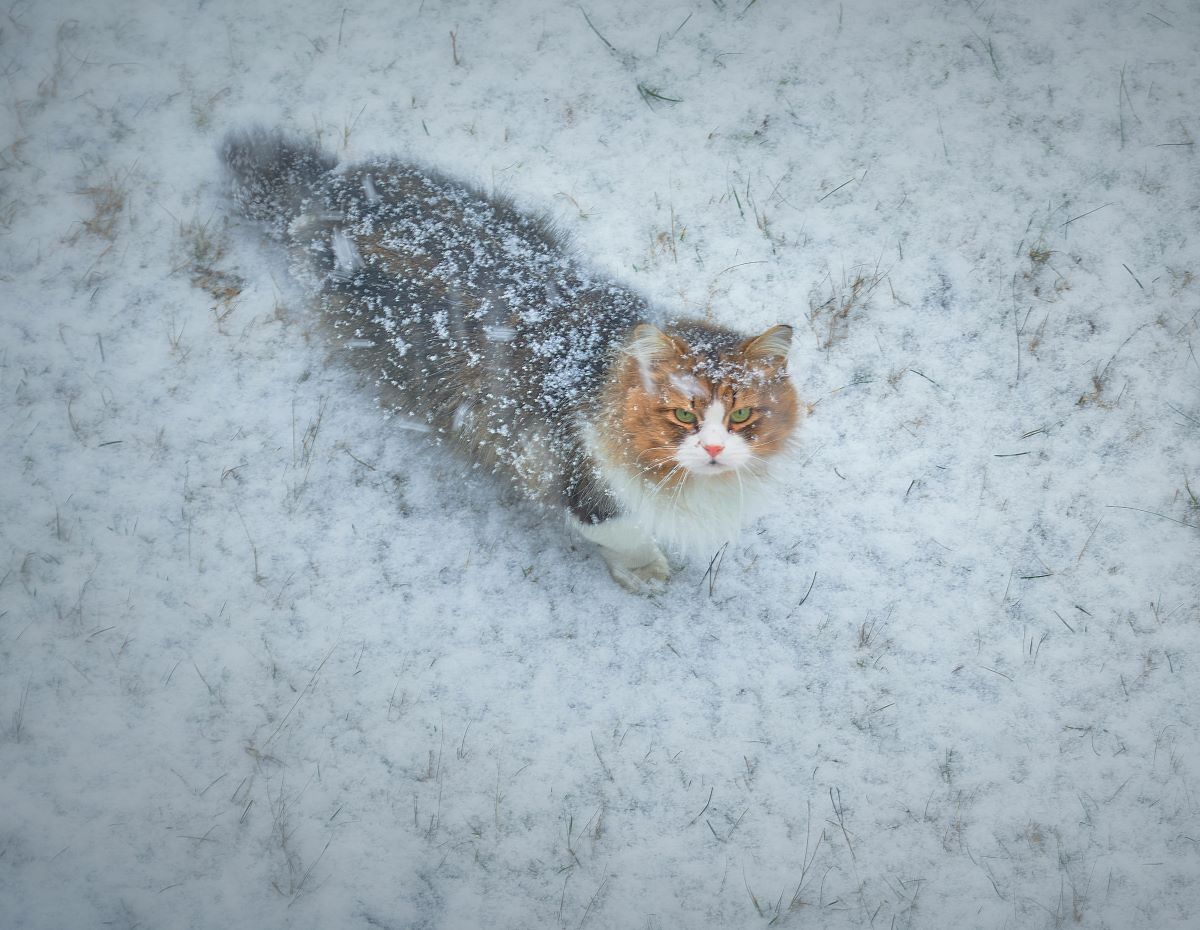
Credit: www.jackery.com
Frequently Asked Questions
Can Stray Cats Survive Extreme Cold Weather Conditions?
Stray cats can survive cold weather by seeking shelter and conserving energy. They grow thicker fur and find warm places like garages. However, extreme cold poses serious risks like hypothermia and frostbite, making survival difficult without human help or proper shelter.
What Do Stray Cats Eat In Winter To Stay Warm?
In winter, stray cats eat high-protein foods to maintain energy and body heat. They often scavenge leftover food, hunt small animals, or rely on human-provided food. Proper nutrition is vital for survival during cold weather as it helps generate body warmth.
How Do Stray Cats Find Shelter In Freezing Temperatures?
Stray cats find shelter in hidden spots such as abandoned buildings, under cars, or inside sheds. They seek dry, insulated areas protected from wind and snow. These shelters help them stay warm and survive harsh winter conditions.
Should I Provide Food And Shelter For Stray Cats In Winter?
Yes, providing food and shelter helps stray cats survive cold winters. Offer warm, dry shelters and nutritious food regularly. Your support reduces their risk of illness and death caused by exposure to freezing temperatures.
Conclusion
Stray cats face tough challenges in very cold weather. They find shelter in hidden places to stay warm. Their thick fur helps protect them from cold winds. Food becomes harder to find during winter months. People can help by providing water and safe shelter.
Watching out for stray cats can save lives. Cold weather is dangerous, but some cats survive. It takes effort and care to keep them safe. Every small action makes a big difference for stray cats.