Do Spiders Survive Cold Weather: Shocking Facts Revealed!
Have you ever wondered what happens to spiders when the temperature drops? As you cozy up in your warm home during the chilly months, you might find yourself curious about these eight-legged creatures.
Do they brave the cold, or do they find clever ways to survive? Understanding how spiders manage in cold weather can not only satisfy your curiosity but also change the way you perceive these fascinating arachnids. Stick around, and you’ll discover the surprising strategies spiders use to survive the winter, and perhaps, you’ll even find yourself appreciating them a little more.
Spider Survival In Cold
Spiders face many challenges during cold weather. Their survival depends on how they adapt to freezing temperatures. Some spiders slow down, while others find shelter to stay warm.
Understanding how spiders survive cold helps us learn about their behavior and life cycle. Different species use different methods to cope with winter.
How Spiders Respond To Cold
Spiders use several ways to survive cold weather. Many enter a state called diapause, which is like hibernation. They reduce their activity and wait for warmer days.
- Some produce antifreeze chemicals in their bodies.
- Others hide under leaves, bark, or in soil to avoid freezing.
- They may spin thick silk to protect themselves from cold winds.
- Young spiders often stay in egg sacs until spring.
Species That Thrive In Winter
Some spider species are better at handling cold. These spiders stay active in winter or quickly return when temperatures rise.
| Spider Species | Winter Behavior | Cold Adaptation |
| Wolf Spider | Hides in leaf litter | Produces antifreeze proteins |
| Jumping Spider | Becomes less active | Uses silk shelters |
| Orb Weaver | Drops to ground level | Egg sacs protect young |
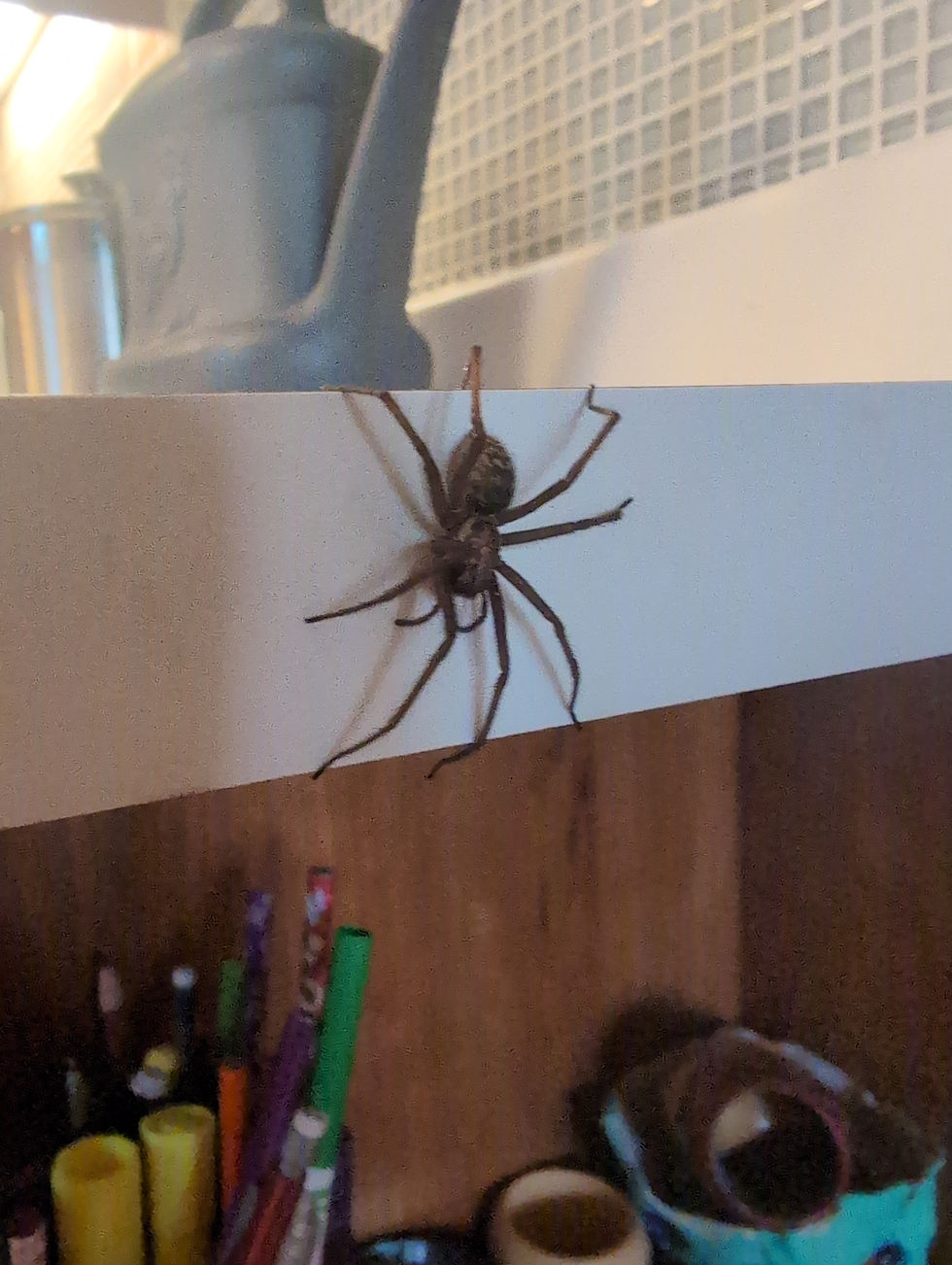
| House Spider | Remains active indoors | Seeks warm shelter |
Cold Weather Adaptations
Spiders face tough challenges in cold weather. They use special ways to survive freezing temperatures.
These adaptations help spiders stay alive until warm weather returns.
Antifreeze Chemicals In Spiders
Some spiders produce antifreeze chemicals in their bodies. These chemicals stop ice from forming in their cells.
These natural antifreezes protect spiders from cold damage during winter months.
- Glycerol is a common antifreeze chemical in spiders
- It lowers the freezing point of their body fluids
- Spiders increase glycerol levels as temperatures drop
- This helps them avoid ice crystal damage
Behavioral Changes During Winter
Spiders change how they act in cold weather to survive. They look for warm, safe places to hide.
Many spiders slow down their movements and reduce energy use during winter.
- Spiders hide under bark, leaves, or stones
- They build silk shelters to keep warm
- Some spiders enter a state like hibernation
- They wait for spring to become active again
Spider Hibernation Myths
Many people think spiders hibernate during cold weather. This idea comes from how spiders seem to disappear in winter. People believe they sleep through the cold months.
In truth, spiders have different ways to survive cold weather. They do not hibernate like bears or some animals. Let’s look at what really happens.
Do Spiders Truly Hibernate?
Spiders do not truly hibernate. They do not enter a deep sleep or shut down their bodies completely. Instead, they slow down their activity.
Many spiders stay hidden in webs or under leaves. They wait for warmer days to become active again. This rest is not the same as hibernation.
Differences Between Dormancy And Hibernation
Dormancy and hibernation are not the same. Dormancy means an animal slows down but stays alive and awake. Hibernation means a deep sleep with very low body functions.
- Dormancy:Spiders reduce movement and eat less.
- Hibernation:Animals enter a deep sleep and lower heart rate.
- Spiders use dormancy to survive cold weather.
- Hibernation is common in mammals, not spiders.
Credit: owlcation.com
Spiders In Different Climates
Spiders live in many places around the world. They adapt to cold and warm climates.
Understanding how spiders survive helps us learn about nature and weather effects.
Cold Regions Vs. Warm Regions
In cold regions, spiders often hide to survive freezing temperatures. They find safe spots like under rocks or inside tree bark.
Warm region spiders stay active year-round. They build webs in open spaces and hunt often.
- Cold region spiders enter a state like hibernation.
- Warm region spiders keep hunting and mating all year.
- Cold spiders produce antifreeze-like chemicals in their bodies.
- Warm spiders rely on steady food and warmth to survive.
Urban Vs. Rural Survival Tactics
Urban spiders use buildings to find shelter. They live in cracks, corners, and walls where it is warm.
Rural spiders depend more on natural shelters like leaves, soil, and tree holes. They blend in with nature to stay safe.
- Urban spiders benefit from heat from homes and lights.
- Rural spiders use plants and soil to hide from cold and predators.
- Urban areas may have more insects for spiders to eat.
- Rural spiders may face more weather changes but less pollution.
Impact Of Cold On Spider Populations
Cold weather affects spider populations in many ways. Low temperatures can change their survival and behavior.
Spiders have different methods to handle cold. Some can survive freezing, while others find shelter.
Winter Mortality Rates
Many spiders die during winter due to cold and lack of food. Mortality rates depend on species and climate.
Some spiders produce antifreeze chemicals in their bodies. These chemicals help them survive freezing temperatures.
- Spiders living in cold areas often have higher mortality.
- Shelter under leaves or bark improves survival chances.
- Egg sacs protect young spiders through winter.
Effect On Spider Behavior And Reproduction
Cold weather slows spider activity. They become less active and eat less during winter.
Spiders often reproduce less in cold seasons. They wait for warmer months to lay eggs and grow young.
- Many spiders enter a dormant state to save energy.
- Reproduction happens mostly in spring and summer.
- Cold can delay spider growth and development.
Credit: americanpest.net
How To Protect Spiders During Winter
Spiders face cold temperatures in winter. Protecting them helps nature stay balanced. You can make small changes to help spiders survive the cold months.
This guide shows ways to create safe places and how humans affect spider survival during winter.
Creating Safe Winter Habitats
Spiders need warm and dry places to hide. Leaves, logs, and garden debris are good shelters. Avoid cleaning these areas too much in late fall.
- Leave fallen leaves in corners of your garden
- Stack firewood away from rain
- Keep garden mulch thick but not wet
- Build small wooden shelters for spiders
- Avoid using strong chemicals near shelters
Human Influence On Spider Survival
Humans change the environment, which can help or harm spiders. Pesticides kill spiders and their food. Gardening habits affect where spiders can live.
| Human Action | Effect on Spiders |
| Using pesticides | Reduces spider populations |
| Leaving garden debris | Provides shelter |
| Cleaning leaves too early | Removes safe spots |
| Building green spaces | Increases spider habitats |
Credit: owlcation.com
Frequently Asked Questions
Do Spiders Hibernate In Cold Weather?
Yes, many spiders enter a state called diapause, similar to hibernation. They slow down their metabolism to survive freezing temperatures.
How Do Spiders Survive Freezing Winters?
Spiders produce antifreeze proteins that prevent ice crystal formation in their bodies. They also seek shelter in warm, insulated places.
Can Spiders Survive Indoors During Winter?
Yes, spiders often move indoors to avoid cold. They find warmth in homes, basements, and other sheltered areas.
Do All Spider Species Survive Cold Climates?
Not all. Some spiders are adapted to cold, while others die off or leave eggs to hatch in spring.
Conclusion
Spiders have clever ways to survive cold weather. They hide in warm places like under leaves or inside homes. Some spiders produce a type of antifreeze in their bodies. This helps them avoid freezing during winter. Not all spiders stay active; many slow down or rest.
Understanding this helps us see how spiders live year-round. They are tougher than we think. Nature gives them tools to handle the cold. Spiders will keep living, even in chilly times.