How Do Oil Rigs Survive Hurricanes: Unveiling Their Secrets
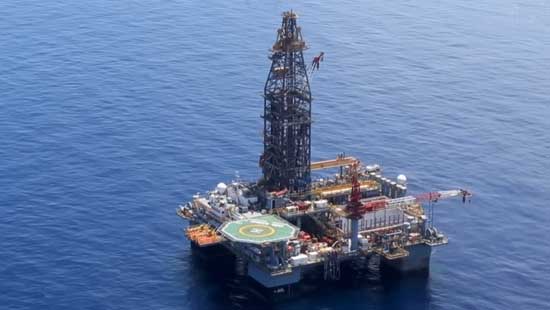
Imagine a colossal storm brewing in the ocean, its powerful winds swirling with intense fury. Now, picture a lone oil rig standing tall amidst these raging elements.
Have you ever wondered how these massive structures withstand the wrath of hurricanes? It’s a fascinating topic that combines engineering marvels with nature’s unpredictable forces. In this blog post, we’re diving deep into the extraordinary world of oil rigs and their incredible resilience against hurricanes.
You’ll discover the cutting-edge technologies and strategic designs that keep these giants standing firm, even when faced with nature’s fiercest tests. Your curiosity about how these structures manage to survive, and even thrive, in such hostile conditions is about to be satisfied. Stay with us as we unravel the secrets behind these engineering wonders. You’ll gain insights that might just change the way you see the next stormy weather report. Ready to uncover the mystery? Let’s get started!
Oil Rig Design Features
Oil rigs face tough weather at sea. Hurricanes bring strong winds and huge waves. The rigs must stay safe and stable.
Designing oil rigs to survive hurricanes is very important. Engineers use special features to protect the rigs.
Structural Strength
Oil rigs have strong frameworks to resist hurricane forces. Steel beams and braces form a solid skeleton. This helps the rig stay upright.
The structure spreads out the pressure from wind and waves. It avoids weak points that could break or bend.
- Thick steel supports
- Cross-bracing for extra strength
- Deep foundations in the seabed
Material Selection
Materials used on oil rigs must resist rust and damage. Corrosion from saltwater is a big problem. Engineers pick strong, weatherproof materials.
Steel with special coatings is common. These coatings stop rust and make the rig last longer. Materials also need to handle constant vibration and impact.
- Corrosion-resistant steel
- Protective paint layers
- Weatherproof seals and joints
Elevated Platforms
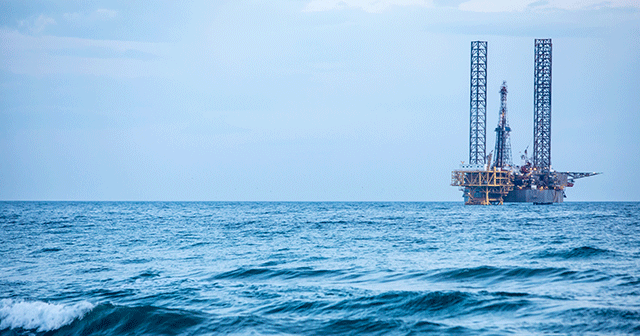
Oil rigs use raised platforms to stay above storm waves. High decks keep equipment and workers safe from flooding. The elevation helps prevent damage.
Tall legs or pillars lift the rig above the highest expected wave height. This design reduces risk during hurricanes and rough seas.
- Platforms built well above water level
- Strong legs anchored to seabed
- Space below platforms for wave energy
Weather Monitoring Systems
Oil rigs face many dangers from hurricanes. They use weather monitoring systems to stay safe. These systems help detect storms early and track changes.
Good weather monitoring helps rigs prepare and protect workers and equipment. It lowers risks and improves safety during hurricanes.
Early Warning Technologies
Early warning technologies detect storms before they reach oil rigs. Satellites and radar systems watch the weather closely. They spot hurricanes far away.
These tools send alerts to rig operators. This gives time to plan and take safety actions. Early warnings can save lives and equipment.
- Satellite images track storm paths
- Radar detects storm intensity
- Automated alerts warn of threats
Real-time Data Analysis
Real-time data analysis helps rigs understand changing weather. Sensors on the rig collect wind, pressure, and wave data. This information updates constantly.
Experts use computers to analyze this data fast. They check if conditions get worse or improve. This helps crews make quick decisions.
- Wind speed and direction monitoring
- Pressure changes detect storm strength
- Wave height tracking for sea safety
Communication Protocols
Communication protocols keep everyone informed during storms. Rigs use radios, satellite phones, and internet links. These tools share weather updates and safety orders.
Clear communication helps crews act fast. It ensures workers know when to secure equipment or evacuate. Protocols also connect rigs to onshore teams.
- Radio systems for local crew alerts
- Satellite phones for remote contact
- Internet links for data sharing
Operational Procedures During Hurricanes
Oil rigs face great risks during hurricanes. Strong winds and waves can damage equipment and threaten lives. Proper procedures help keep the rig and workers safe.
Operators follow strict plans to prepare for hurricanes. These plans include evacuation, shutting down equipment, and regular safety drills.
Evacuation Plans
Evacuating workers is the top priority during hurricanes. Rigs have clear evacuation routes and transport ready to move people quickly.
Before the hurricane arrives, all non-essential staff leave the rig. Emergency teams stay behind only if needed to secure the platform.
- Monitor weather updates constantly
- Notify all personnel of evacuation orders
- Use helicopters or boats for safe transport
- Account for everyone after evacuation
Shut Down Processes
Shutting down equipment reduces risks during the storm. Operators follow a set sequence to power down safely.
This process includes stopping drilling, closing valves, and securing machinery. It helps prevent spills and damage.
- Stop all drilling and production activities
- Close all safety and flow valves
- Secure loose equipment on deck
- Switch to emergency power systems
Safety Drills
Safety drills keep workers ready for hurricanes. Regular practice helps them react calmly and correctly during emergencies.
Drills cover evacuation, equipment shutdown, and emergency communication. They ensure all workers know their roles and actions.
- Conduct evacuation drills every few months
- Practice emergency shutdown procedures
- Train workers on using safety gear
- Review communication plans during drills
Credit: www.dtn.com
Anchoring And Mooring Techniques
Oil rigs face strong winds and waves during hurricanes. They use special anchoring and mooring to stay safe. These techniques keep the rig steady and stop it from drifting.
Strong anchors and smart systems work together. They help the rig hold its place even in rough seas. This is very important to protect workers and equipment.
Dynamic Positioning Systems
Dynamic positioning systems use computers and thrusters to keep the rig in place. Sensors check the rig’s position all the time. The system adjusts thrusters to stop movement.
This technology helps rigs avoid damage by moving slightly to reduce stress. It works well when anchors cannot hold during a strong storm.
Heavy-duty Anchors
Heavy-duty anchors dig deep into the seabed. They hold the rig tightly against strong waves and wind. These anchors are made from strong metal and have special shapes.
The anchor type depends on the seabed. Some rigs use drag anchors, while others use suction or gravity anchors. Each type suits different ground conditions.
- Drag anchors dig in by dragging across the seabed
- Suction anchors use pressure to hold in soft soil
- Gravity anchors rely on weight to stay put
Tension Monitoring
Tension monitoring checks the force on anchor chains and mooring lines. Sensors send real-time data to operators. They watch for too much or too little tension.
If tension is not right, the rig can move or damage the mooring system. Early warnings let crews fix problems before the storm gets worse.
Emergency Response Strategies
Oil rigs face serious risks during hurricanes. Strong winds and high waves can damage equipment and endanger workers.
Emergency response plans help rigs stay safe and keep operations running or shut down safely. These plans focus on quick actions and protection.
Rescue Operations
Rescue teams prepare before hurricanes arrive. They have clear plans to help workers leave the rig fast and safely.
Helicopters and boats are ready to move workers to safety. Teams train regularly to respond quickly in emergencies.
- Plan evacuation routes in advance
- Use helicopters for fast rescue
- Deploy boats for nearby sea rescue
- Keep medical teams on standby
Backup Power Systems
Power often goes out during hurricanes. Backup power systems keep essential equipment running on oil rigs.
Generators and batteries provide electricity. These systems allow safety devices and communication tools to work.
- Install backup generators with fuel reserves
- Use automatic switches to start backup power
- Test power systems regularly
- Ensure power for emergency lighting and alarms
Damage Control Measures
Rigs have special designs to reduce hurricane damage. They use strong materials and flexible structures to resist wind and waves.
Teams check and fix problems quickly after storms. Early repairs prevent bigger issues and help rigs return to work.
- Use hurricane-resistant materials
- Secure loose equipment before storms
- Inspect rig after the hurricane passes
- Perform quick repairs on critical parts
Technological Innovations
Oil rigs face strong storms like hurricanes while working in the ocean. They use new technology to stay safe. These tools help rigs detect dangers and protect workers.
Technology also helps keep the rigs running smoothly during bad weather. It reduces damage and avoids accidents.
Advanced Sensors
Advanced sensors monitor weather and structural conditions on oil rigs. They measure wind speed, waves, and pressure changes. This data helps predict storms and prepare the rig.
Sensors also track the rig’s parts for any signs of damage. Early warnings let crews fix issues before they get worse during a hurricane.
- Wind and wave sensors
- Pressure and stress monitors
- Temperature and humidity detectors
- Real-time data transmission
Autonomous Systems
Autonomous systems help oil rigs operate with less human risk during hurricanes. Machines can control valves, pumps, and safety devices automatically. This lowers the chance of human errors in dangerous conditions.
Robots and drones inspect hard-to-reach areas. They can spot damage or leaks without sending workers into unsafe zones.
- Automatic control of equipment
- Remote monitoring by operators
- Drones for inspection and repair
- Robots for emergency tasks
Predictive Maintenance
Predictive maintenance uses data to find problems before they happen. Oil rigs use sensors and software to watch equipment health. This helps plan repairs early, avoiding failures during storms.
By fixing parts before damage grows, rigs stay stronger against hurricane forces. This also saves money and time by reducing emergency repairs.
- Data analysis from sensors
- Early detection of wear and tear
- Scheduled repairs based on condition
- Reduced downtime during storms
Case Studies Of Hurricane Survival
Oil rigs face severe risks during hurricanes. Many rigs have survived strong storms. Studying these cases helps improve safety.
This article looks at examples of survival, what was learned, and how rigs got better over time.
Notable Incidents
One famous case is the 2005 Hurricane Katrina. Some rigs stayed safe despite strong winds and waves. Another example is Hurricane Harvey in 2017. Several rigs secured their equipment and avoided major damage.
- Hurricane Katrina (2005): Rigs faced 120 mph winds.
- Hurricane Harvey (2017): Flooding tested rig stability.
- Hurricane Ike (2008): High waves caused some damage.
- Hurricane Laura (2020): Newer rigs withstood the storm.
Lessons Learned
After each hurricane, companies studied what worked and what failed. They learned that strong anchoring is key. Proper evacuation plans also save lives. Communication during storms is vital. Rigs need to be prepared for power loss and flooding.
- Secure anchors and mooring lines well before storms.
- Evacuate non-essential staff early and safely.
- Maintain backup power systems for critical operations.
- Improve communication channels with onshore teams.
- Regularly inspect and maintain structural parts.
Improvements Over Time
| Year | Improvement | Impact |
| 2005 | Stronger mooring systems | Rigs stayed in place during Katrina |
| 2010 | Flood-resistant equipment design | Reduced damage from storm surges |
| 2015 | Advanced weather monitoring | Better preparation and early warnings |
| 2020 | Enhanced evacuation protocols | Faster and safer staff removal |

Credit: en.wikipedia.org
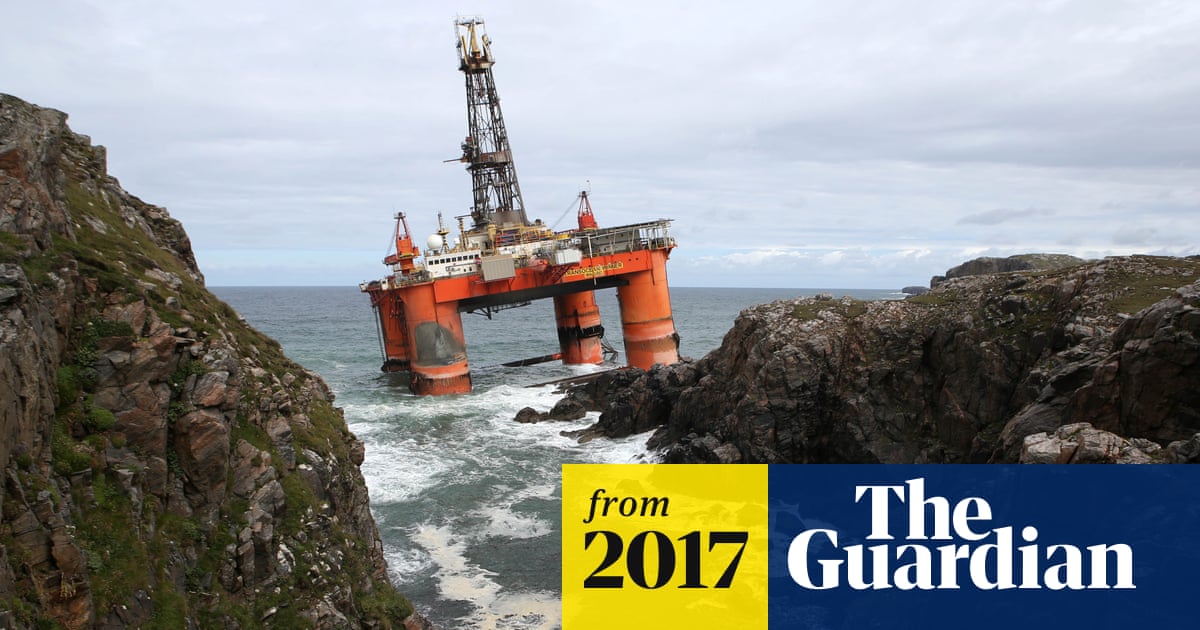
Credit: www.theguardian.com
Frequently Asked Questions
How Do Oil Rigs Prepare For Hurricanes?
Oil rigs undergo early storm monitoring and evacuation plans. They secure equipment and shut down operations safely before hurricanes arrive. Emergency protocols protect staff and minimize damage.
Can Oil Rigs Withstand Hurricane-force Winds?
Yes, rigs are engineered with strong materials and design to endure extreme winds. They use flexible structures and reinforced platforms to resist storm impact.
What Safety Measures Protect Oil Rig Workers During Hurricanes?
Workers are evacuated to safe shelters or offshore vessels before storms. Emergency training and communication systems ensure their safety throughout the hurricane.
How Do Hurricanes Affect Oil Rig Production?
Hurricanes often force temporary shutdowns, delaying production. Repairs may be necessary post-storm, but rigs resume operations quickly to reduce downtime.
Conclusion
Oil rigs face tough storms with strong design and careful planning. They use special materials and technology to stay safe. Teams prepare early and follow strict safety rules. Constant monitoring helps detect problems before they grow. These steps keep workers safe and protect equipment.
Surviving hurricanes is about smart choices and teamwork. The ocean is wild, but rigs stand strong. Safety and preparation always come first on oil rigs.