What is the Best Way to Survive a Hurricane: Expert Tips Revealed
When a hurricane is on the horizon, your first thought might be, “How do I keep my family and home safe?” The swirling winds and torrential rains can be intimidating, but with the right preparation, you can weather the storm confidently.
Imagine the peace of mind you’ll feel knowing you’ve done everything possible to protect what matters most. In this guide, you’ll discover the best strategies to not only survive but also thrive during a hurricane. We’ll walk you through practical steps, tips, and insights that can make all the difference when the storm hits.
Are you ready to turn anxiety into action and safeguard your loved ones? Let’s dive in.
Preparing Before The Storm
Getting ready before a hurricane is very important. It keeps you safe and lowers damage to your home.
Planning ahead helps you stay calm and act fast when the storm arrives.
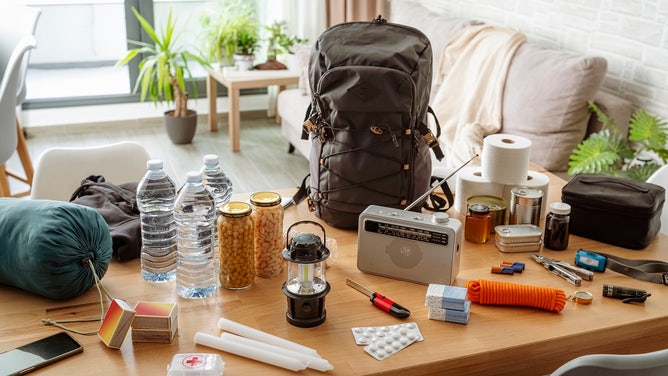
Creating An Emergency Kit
An emergency kit has the supplies you need during and after a hurricane. It keeps you safe if power or water is lost.
Include food, water, and tools that help you stay comfortable and healthy.
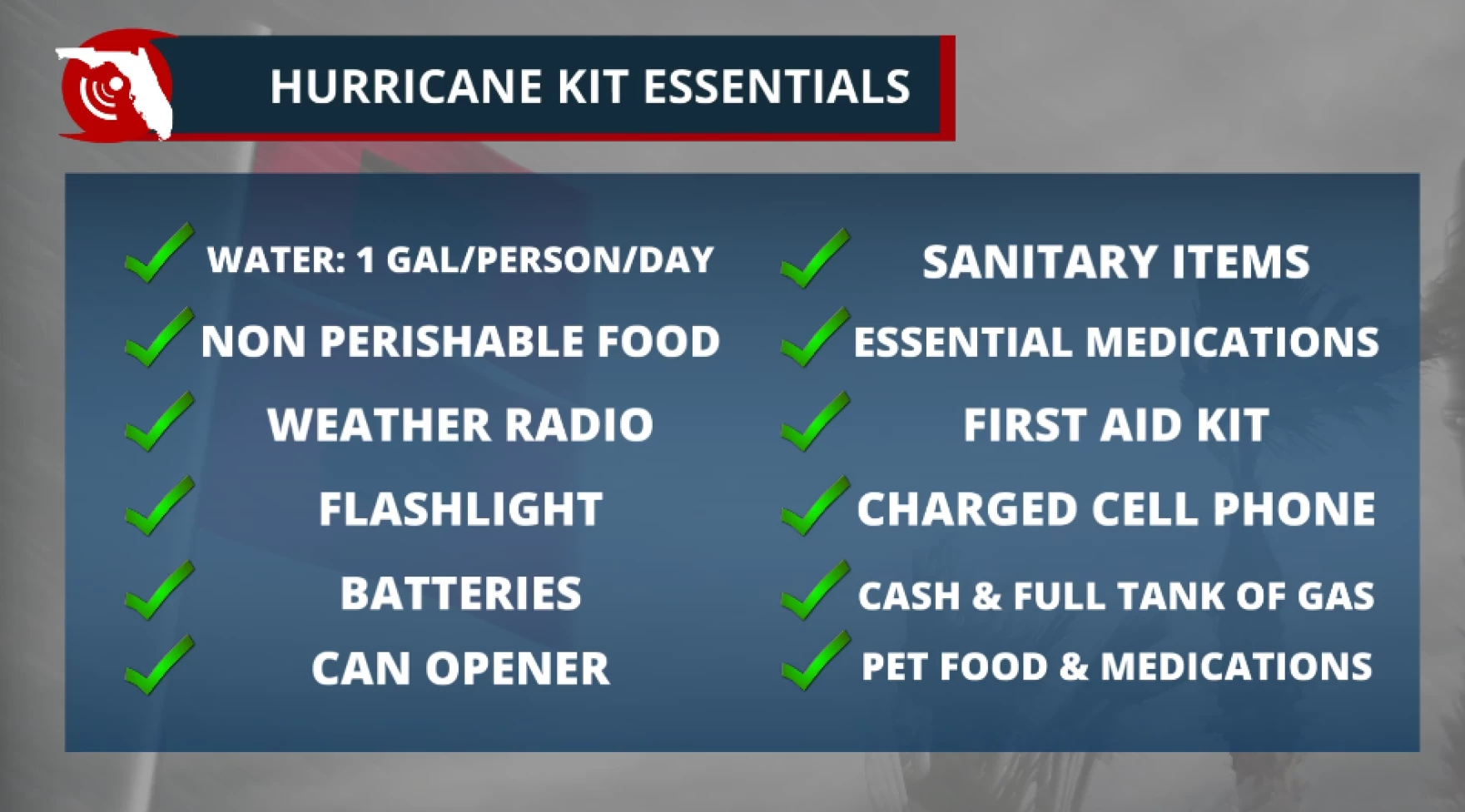
- At least three days of non-perishable food
- One gallon of water per person per day
- Flashlight with extra batteries
- First aid kit and medicines
- Important documents in a waterproof bag
- Battery-powered radio to get news updates
- Cash in small bills
- Personal hygiene items
- Extra clothes and blankets
Securing Your Home
Protecting your home helps reduce damage and keeps your family safe. Take actions early to secure windows and doors.
Remove loose objects outside that can become dangerous during strong winds.
- Install storm shutters or board up windows
- Secure doors with strong locks and braces
- Trim trees and remove dead branches
- Bring outdoor furniture and tools inside
- Check your roof for loose shingles or tiles
- Clear gutters and drains to avoid flooding
Planning Evacuation Routes
Know where to go if you must leave your home. Plan your routes in advance to avoid traffic and danger.
Share your plan with family or friends so everyone stays informed.
- Identify the nearest shelter or safe location
- Find two or more routes to reach safety
- Keep your car fueled and ready
- Pack a go-bag with essentials for quick exit
- Plan for pets and their needs
- Follow local evacuation orders without delay
Credit: www.foxweather.com
During The Hurricane
Hurricanes can be very dangerous. Staying calm and following safety rules helps keep you safe. This guide explains what to do during the storm.
Focus on three main things: staying safe indoors, managing power outages, and keeping in touch with loved ones. Each is important for your safety and comfort.
Staying Safe Indoors
Stay inside and away from windows. Strong winds can break glass and cause injuries. Find a small, windowless room on the lowest floor to stay safe.
- Close all doors and windows tightly.
- Use blankets or pillows to cover yourself if glass breaks.
- Keep a flashlight and extra batteries nearby.
- Avoid using candles to prevent fire risk.
- Listen to weather updates on a battery-powered radio.
Managing Power Outages
Power can go out during a hurricane. Be ready to stay safe and comfortable without electricity. Use these tips to manage outages.
| Tip | Details |
| Use flashlights | Do not use candles to avoid fire hazards. |
| Save phone battery | Turn off non-essential apps and lower screen brightness. |
| Keep refrigerator closed | Food stays fresh longer if the door stays shut. |
| Have backup power | Use a generator safely if available, following instructions. |
| Stay cool | Wear light clothing and drink water often. |
Communicating With Loved Ones
Keep in touch with family and friends during the hurricane. It helps reduce worry and lets others know you are safe.
Follow these communication tips:
- Send short text messages to save battery and reduce network load.
- Use social media or apps to share your location if possible.
- Agree on a meeting place in case phones stop working.
- Check on neighbors if you can do so safely.
After The Hurricane
After a hurricane, it is important to stay calm and safe. The storm might be over, but dangers still exist around you.
Knowing what to do helps protect you and your family from harm and helps you recover faster.
Assessing Damage Safely
Check your home and property carefully but do not rush. Look for any structural damage before entering buildings.
Wear sturdy shoes and gloves. Watch for broken glass, nails, and sharp objects on the ground.
- Do not touch downed power lines
- Use a flashlight, not candles
- Check for gas leaks and turn off gas if needed
- Take pictures of damage for insurance
Avoiding Hazards
After the hurricane, hazards like flooding, fallen trees, and wildlife can cause injury. Stay alert and avoid these dangers.
Do not walk or drive through floodwaters. Water can hide sharp objects and strong currents.
- Keep away from damaged buildings
- Stay clear of flooded areas
- Watch for snakes and insects
- Wear protective clothing outdoors
Accessing Emergency Services
If you need help, call emergency services immediately. Use a phone only for urgent calls to keep lines open.
Listen to local news for updates on shelters, water, and food distribution. Follow instructions from authorities carefully.
- Use text messages if phone lines are busy
- Know your local emergency numbers
- Report hazards like gas leaks or fires
- Seek medical help for injuries
Credit: www.wmnf.org
Expert Recommendations
Surviving a hurricane requires careful planning and clear action. Experts suggest simple steps to stay safe during storms.
Following trusted advice helps protect you and your family from harm and damage.
Following Official Warnings
Always listen to local authorities during a hurricane. They provide updates about when to leave or stay.
Ignoring official warnings can put your life at risk. Evacuate early if told to do so.
- Keep a battery-powered radio to hear alerts
- Follow evacuation routes suggested by officials
- Do not return home until authorities say it is safe
Using Reliable Weather Updates
Use trusted sources for weather information, like the National Weather Service. This helps you know what to expect.
Check updates often. Weather conditions can change fast during hurricanes.
- Watch official weather channels on TV or online
- Download weather apps with alerts
- Sign up for local emergency notifications
Mental Health And Stress Management
Hurricanes can cause fear and stress. It is important to stay calm and take care of your mind.
Use simple ways to reduce stress and help your family feel safe.
- Practice deep breathing exercises
- Talk with family members about your feelings
- Keep a routine as much as possible
- Focus on positive thoughts and safety plans
Community And Support Systems
Surviving a hurricane takes more than just individual effort. Communities that work together stay safer and recover faster. Support systems help people share resources and information during emergencies.
Strong community ties build trust and make it easier to face challenges. People can help each other with shelter, supplies, and emotional support.
Neighborhood Preparedness
Neighbors can prepare together to handle hurricanes better. Planning with your neighborhood helps everyone know what to do and where to go.
Create a communication plan and share emergency contacts. Identify safe places where people can gather if homes are damaged.
- Set up a phone tree or group chat
- Stockpile shared emergency supplies
- Know who needs extra help, like elders or disabled neighbors
- Plan evacuation routes as a group
Volunteering And Aid
Helping others makes the whole community stronger. Volunteers can support emergency workers and provide care to those in need.
Joining local aid groups builds skills that help during and after hurricanes. You can help with shelters, food distribution, or cleanup efforts.
- Sign up with local volunteer organizations
- Attend training sessions on emergency response
- Offer help to neighbors before and after storms
- Share resources like food, water, and blankets
Building Long-term Resilience
Communities that prepare for future storms reduce damage and stress. Building strong support systems helps everyone bounce back faster.
Invest in education, infrastructure, and regular drills. Encourage neighbors to stay informed and ready for emergencies.
- Create community emergency plans and update them yearly
- Build or improve safe shelters and drainage systems
- Hold workshops on hurricane safety and preparedness
- Support local leaders who focus on disaster readiness

Credit: weather.thefuntimesguide.com
Frequently Asked Questions
What Is The Safest Place During A Hurricane?
The safest place is an interior room on the lowest floor without windows. Avoid basements prone to flooding. Stay away from exterior walls and glass doors to reduce injury risk from flying debris.
How Should I Prepare My Home Before A Hurricane?
Secure windows with storm shutters or plywood. Clear gutters and drains to prevent flooding. Bring outdoor furniture inside and reinforce garage doors. Stock emergency supplies like water, food, and first aid kits.
When Should I Evacuate Before A Hurricane?
Evacuate immediately if local authorities order it. Don’t wait until the last minute. Leaving early avoids traffic and ensures safety from rising waters or severe winds.
What Emergency Supplies Are Essential For Hurricane Survival?
Include water (one gallon per person per day), non-perishable food, flashlight, batteries, first aid kit, and medications. Also pack important documents, cash, and a portable phone charger for communication.
Conclusion
Surviving a hurricane takes clear planning and quick action. Know your area’s risks and have a plan ready. Keep emergency supplies close and stay informed through trusted sources. Protect your home and follow evacuation orders without delay. Stay calm and help others when you can.
Safety depends on how prepared you are before the storm. Remember, small steps can save lives. Stay safe and stay smart during hurricane season.