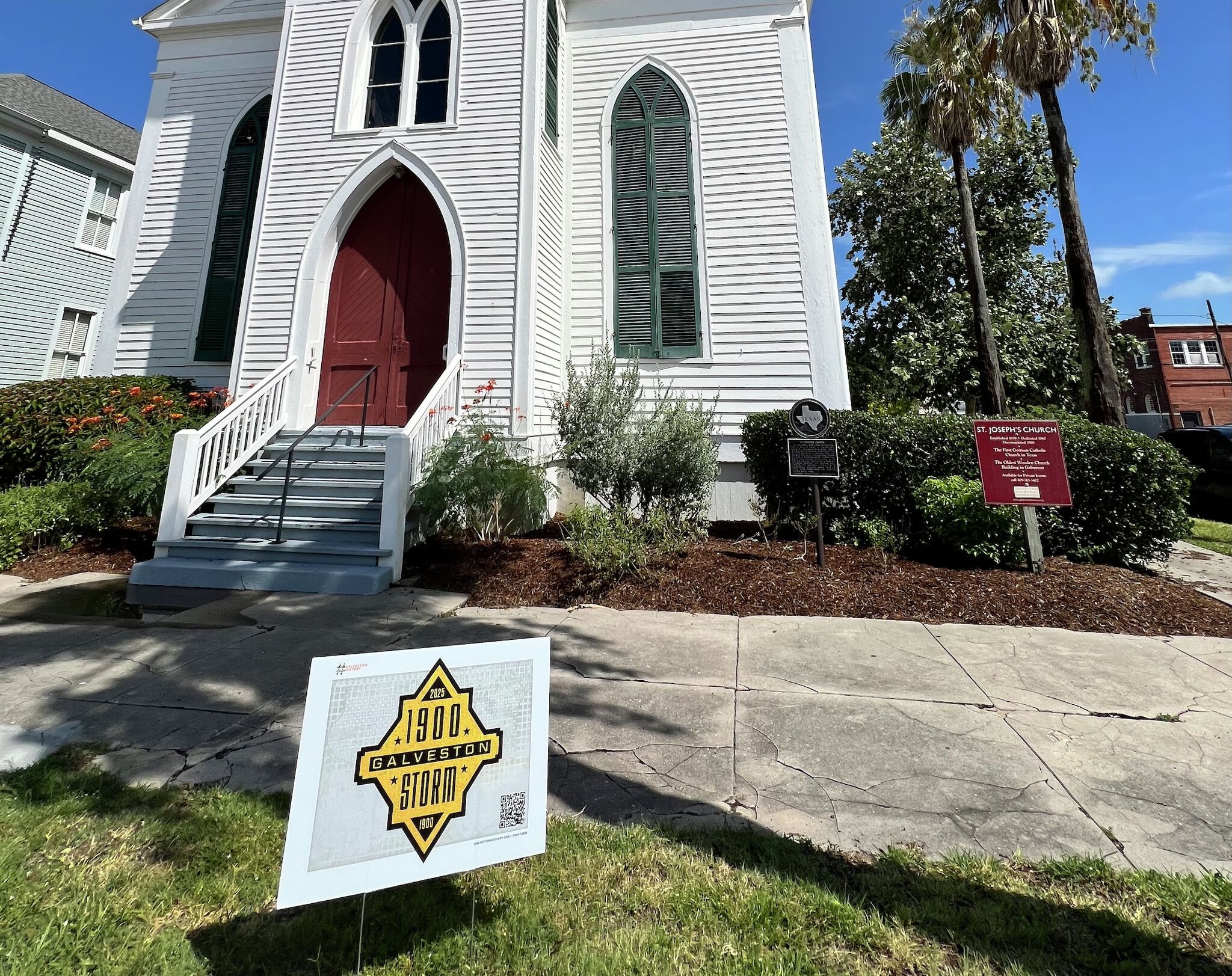
What Buildings Survived the 1900 Hurricane in Galveston: Untold Stories
Imagine standing on the shores of Galveston in 1900, witnessing the wrath of a hurricane that would go down in history as one of the deadliest natural disasters in the United States. As you ponder the immense power of nature, you might find yourself wondering about the resilience of certain structures amidst such destruction.
What secrets did these buildings hold that allowed them to withstand the storm’s fury? You’ll uncover the fascinating stories of the buildings that survived the 1900 hurricane in Galveston. These tales of endurance will not only intrigue you but also offer valuable insights into human ingenuity and determination.
Are you ready to explore these architectural marvels and learn what made them stand tall against the odds? Dive in to discover how history, hope, and a bit of mystery intertwine on the resilient streets of Galveston.
Galveston Before The Storm
Galveston was a busy port city before the 1900 hurricane. It thrived as a trade center along the Gulf of Mexico.
The city grew fast with many homes, businesses, and public buildings. Its layout and economy shaped life before the disaster.
City Layout And Architecture
Galveston was built on a narrow island. Streets ran mostly in a grid pattern to organize homes and businesses.
- Many buildings were wood-frame, making them less strong.
- Some brick and stone buildings stood in key areas.
- The Strand was the main commercial street with shops and offices.
- Large homes sat near the coast and had wide porches.
- Public buildings included schools, churches, and a custom house.
Economic And Social Landscape
Galveston’s economy centered on shipping and trade. Many jobs came from the port and related industries.
| Sector | Role in Economy |
| Shipping | Main hub for goods entering and leaving Texas |
| Banking | Supported trade and local businesses |
| Tourism | Visitors came to beaches and hotels |
| Manufacturing | Small factories produced goods for the region |

Credit: www.galvestonhistory.org
The 1900 Hurricane Impact
The 1900 hurricane in Galveston was one of the deadliest storms in U.S. history. It changed the city forever.
Many buildings were destroyed, but some survived the strong winds and flooding. This article looks at those structures.
Storm Path And Intensity
The hurricane moved northwest across the Gulf of Mexico before hitting Galveston. Winds reached speeds over 135 miles per hour.
The storm caused a huge storm surge that flooded much of the island. The surge was as high as 15 feet in some places.
- Started as a tropical storm in the Caribbean Sea
- Strengthened rapidly in the Gulf of Mexico
- Hit Galveston on September 8, 1900
- Winds over 135 mph destroyed many buildings
- Storm surge flooded the island up to 15 feet deep
Damage Overview
The hurricane destroyed over 3,600 buildings in Galveston. Many wooden homes were swept away by the surge.
| Building Type | Damage Level | Survival Notes |
| Wooden Houses | Severe | Mostly destroyed by flood and wind |
| Brick Buildings | Moderate | Some survived with minor damage |
| Concrete Structures | Low | Many stood firm through the storm |
| Raised Homes | Varied | Better survival if elevated above surge |
Some concrete and brick buildings resisted the winds and water. Raised homes had a better chance if they were above the surge.
Buildings That Withstood The Hurricane
The 1900 Galveston hurricane was one of the deadliest storms in U.S. history. It destroyed most buildings on the island. Some buildings survived the storm and still stand today. These structures show how strong construction can save lives.
We will look at the construction techniques and materials that helped buildings last. We will also explore notable buildings that survived the hurricane.
Construction Techniques And Materials
Many buildings that survived used strong materials like brick and stone. They had deep foundations to hold them in place. Builders designed them to resist high winds and flooding.
Some key construction features included:
- Thick walls made from brick or stone
- Elevated floors to avoid flood damage
- Strong wooden beams tied firmly together
- Small, reinforced windows to reduce wind pressure
- Sloped roofs to help rainwater drain quickly
Notable Surviving Structures
Several important buildings survived the hurricane. These buildings offer a glimpse of early 1900s architecture and sturdy design.
- St. Mary’s Cathedral Basilica:Made with thick stone walls, it stood firm against the storm.
- Old Galveston Custom House:Built with strong brick and stone, it survived the flooding.
- The Bishop’s Palace:A large stone mansion with solid foundations and thick walls.
- Central High School:Constructed with reinforced wood and brick, it remained intact.
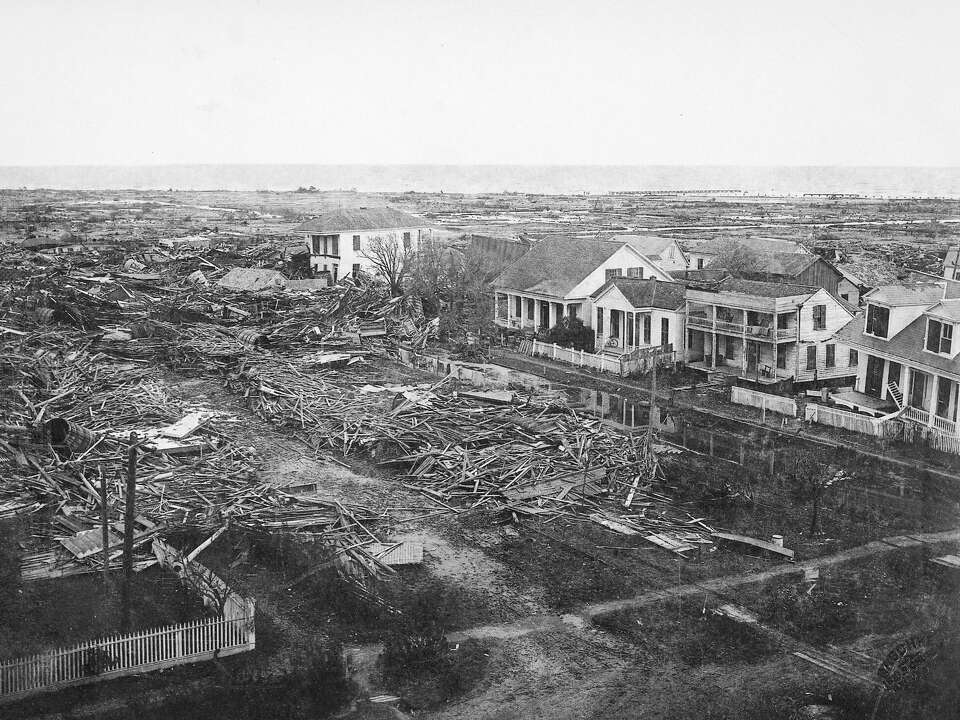
Credit: www.chron.com
Stories From Survivors
The 1900 hurricane in Galveston was one of the deadliest storms in U.S. history. Many buildings were destroyed, but some stood strong. Survivors tell stories of hope and strength through the disaster.
These stories help us understand what happened and how people rebuilt their lives after the storm. The surviving buildings played a key role in the city’s recovery.
Personal Accounts Of Resilience
Survivors recall how some buildings saved lives during the hurricane. Many found shelter in sturdy homes and public buildings. These places gave them a safe space when the winds and water hit hard.
- One family hid in a brick church that withstood the flood.
- Workers took refuge in a reinforced schoolhouse built to last.
- A hotel with thick walls protected many travelers caught in the storm.
- Some homes had raised foundations that kept water out.
Role Of Surviving Buildings In Recovery
The buildings that survived became centers for rescue and aid. They were used to gather people, supplies, and plan the rebuilding effort. These structures helped the community recover faster.
| Building | Purpose After Hurricane | Survival Reason |
| St. Mary’s Church | Shelter and medical aid | Thick stone walls |
| Central School | Community meetings and supplies | Reinforced structure |
| Gresham Hotel | Temporary housing | Solid brick construction |
| Moody Mansion | Command center for relief | Raised foundation |
Architectural Lessons Learned
The 1900 hurricane in Galveston was one of the deadliest storms in U.S. history. Few buildings survived the massive destruction. These surviving structures taught important lessons about building strong homes.
Architects and builders studied these buildings to improve safety. The lessons led to changes in how buildings were made in hurricane-prone areas.
Changes In Building Codes
After the hurricane, Galveston updated its building codes to make structures safer. The new rules focused on stronger materials and better designs that could resist high winds and flooding.
Builders had to use reinforced foundations and stronger wood frames. Roofs were designed to stay attached during strong winds. These changes helped reduce damage in future storms.
- Use of concrete and steel for stronger support
- Stronger roof attachments to prevent lifting
- Elevated buildings to avoid flood damage
- Stricter rules on building near the shoreline
Influence On Future Construction
The surviving buildings influenced future construction beyond Galveston. Builders across the Gulf Coast learned to prepare for hurricanes with stronger homes and safer designs.
New neighborhoods used raised foundations and wind-resistant materials. These ideas spread to other coastal areas prone to storms. The 1900 hurricane changed how people build to protect lives and property.
- Raised homes to avoid floodwaters
- Use of hurricane straps and clips in framing
- Designs that reduce wind pressure on walls
- Focus on emergency exits and safe rooms
Preserving Galveston’s History
The 1900 hurricane in Galveston was one of the deadliest storms in U.S. history. Many buildings were destroyed, but some survived. These buildings show us how people lived long ago.
Preserving these buildings helps keep Galveston’s history alive. It allows future generations to learn about the past and see the strength of the community.
Restoration Efforts
Many old buildings that survived the hurricane have been carefully restored. Experts use old photos and materials to keep the original look. This work takes time and care.
Restoration helps prevent further damage from weather and age. It also keeps the buildings safe for visitors and residents.
- Repair damaged wood and brick
- Replace broken windows with old-style glass
- Strengthen foundations to resist storms
- Use paint colors from the early 1900s
Heritage And Tourism
Surviving buildings attract many visitors to Galveston. Tourists come to see the historic homes and learn about the 1900 hurricane. This helps keep the local culture strong.
Heritage tours and museums show how the city rebuilt after the storm. They share stories of bravery and hope from the past.
- Historic home tours
- Museums about the hurricane
- Walking paths through old neighborhoods
- Events celebrating Galveston’s history
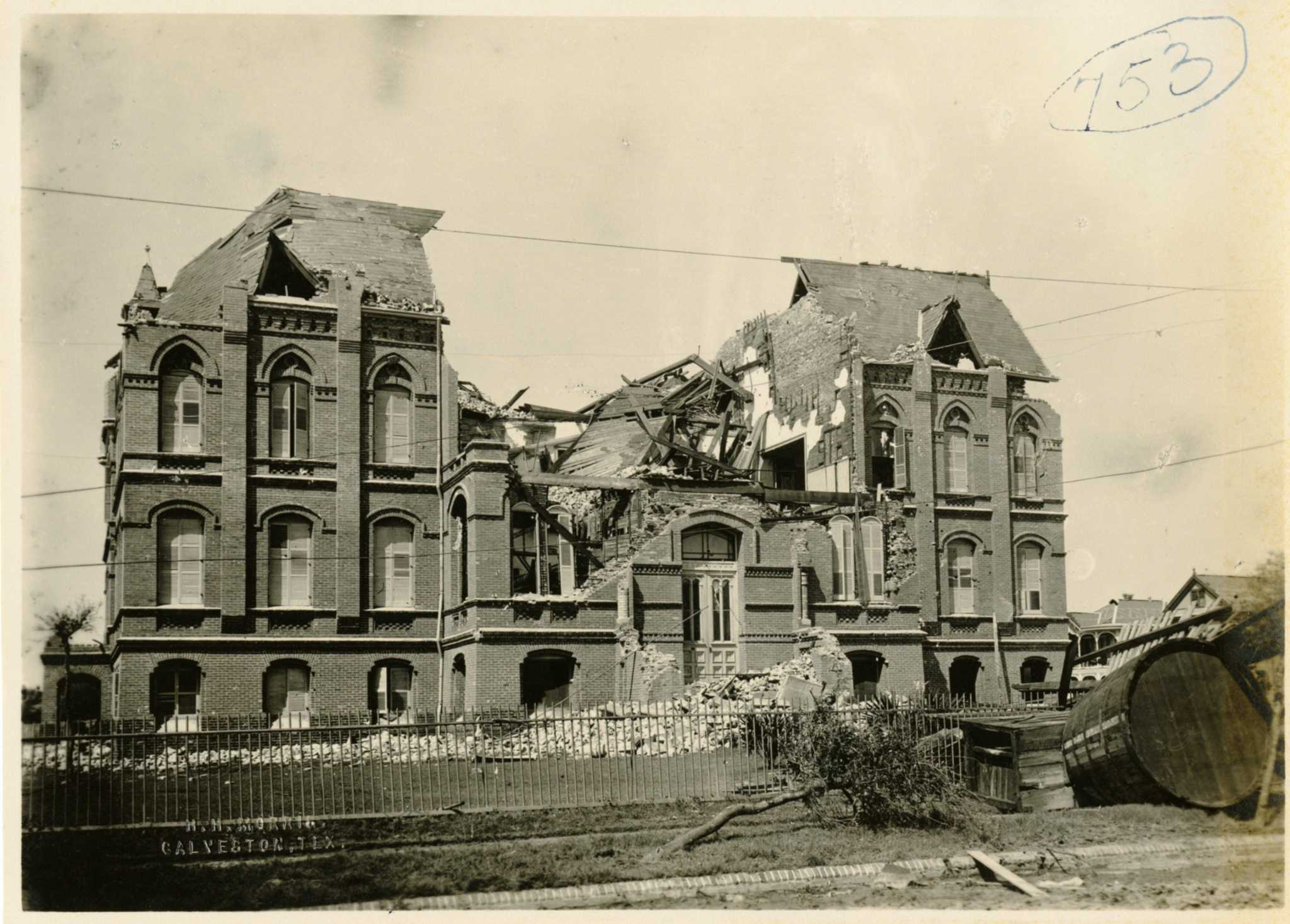
Credit: www.statesman.com
Frequently Asked Questions
Which Galveston Buildings Survived The 1900 Hurricane?
Several sturdy structures survived, including the U. S. Custom House, some brick commercial buildings, and select homes built on higher ground.
Why Did Some Buildings Survive The 1900 Galveston Hurricane?
Buildings with strong foundations, brick construction, and elevated locations resisted the storm’s extreme winds and flooding better.
How Did Construction Methods Impact Building Survival In 1900?
Brick and stone buildings with reinforced walls and raised foundations fared better than wooden structures during the hurricane.
Are Any 1900 Hurricane-surviving Buildings Still Standing Today?
Yes, landmarks like the U. S. Custom House and a few historic homes remain, preserved as part of Galveston’s heritage.
Conclusion
The 1900 Galveston hurricane tested many buildings. Some stood strong, showing great design and care. These structures tell stories of survival and strength. They remind us how nature can be both fierce and inspiring. Today, they help us learn and prepare for the future.
Visiting these buildings connects us to history and resilience. They prove that careful planning can save lives and homes. The lessons from 1900 remain valuable for all coastal towns. Remembering the past helps protect what lies ahead.